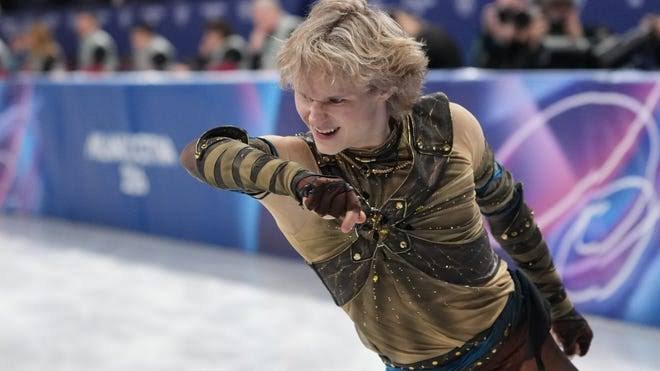
The arena in Milan felt unusually still, as if the air itself were listening. Light settled softly across the ice, turning it into a pale mirror. Thousands sat together in a shared hush, the kind that comes before something unnamed, before a moment chooses its place in memory.
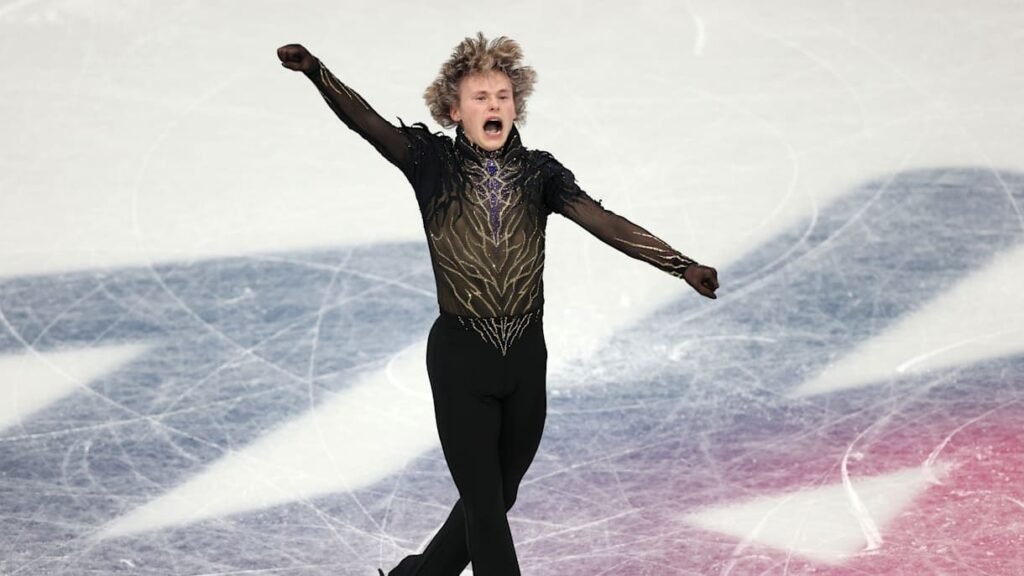
Ilia Malinin stood alone at center ice, shoulders loose, breath slow, eyes not on the crowd but somewhere inward. There was no urgency in him. Only a quiet readiness, the calm of someone carrying both weight and wonder.
His program unfolded like a conversation with the ice. Edges whispered instead of cut. Each landing arrived gently, almost respectfully, as though he were asking permission to stay balanced between gravity and grace.
From the stands, the audience leaned forward without realizing it. Skates traced thin white lines that caught the light and vanished. Music moved through the arena, but what people felt most was the sound of breath—his, theirs, the building itself holding something back.
Then came the shift, so small it might have been missed. A longer glide. A pause that lingered half a heartbeat too long. His posture changed, not dramatically, but with the quiet certainty of a decision already made.
Time folded.
He rose into the air, not with force but with freedom, turning backward into a movement the Olympic ice had not carried for decades. For a fraction of a second, he seemed suspended outside the rules of the sport, outside expectation, outside history.
When he landed, the arena broke open—not loudly at first, but in waves. Gasps before cheers. Hands over mouths before applause. The sound grew as people understood what they had just witnessed: not defiance, not spectacle, but a small act of courage offered at the end of a long night.
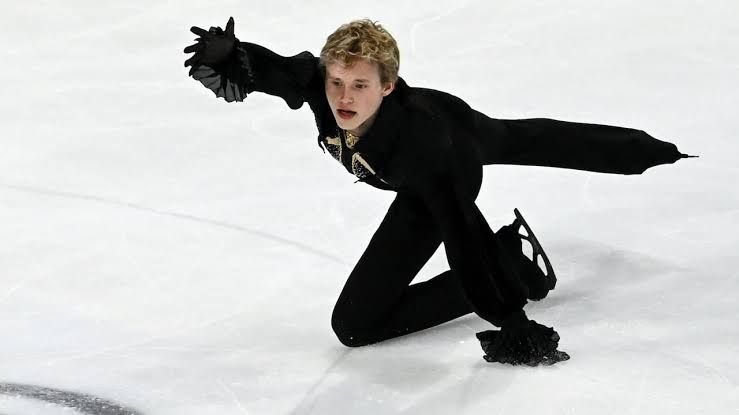
The scoreboard would later tell its own story. Another skater, another brilliance, another performance etched in precision—Yuma Kagiyama shining with a score that placed him just ahead. Two different expressions of excellence, standing side by side like parallel lines drawn across the same sheet of ice.
But numbers faded quickly in the glow of the moment. What remained was the image of Malinin standing at the boards afterward, chest rising and falling, eyes softer now. Not triumphant. Not disappointed. Simply present, as if he understood that something larger than placement had just passed through him.
Long after the arena emptied, the ice still held the trace of that brief inversion—where gravity loosened, where fear stepped aside, where a young skater chose expression over caution.
Years from now, when people speak of that night in Milan, they may remember the rivalry, the scores, the precision of two nations pushing each other higher. But those who were there will remember something quieter.
They will remember the moment the arena stopped breathing.
And the instant the ice, for just one heartbeat, felt weightless.