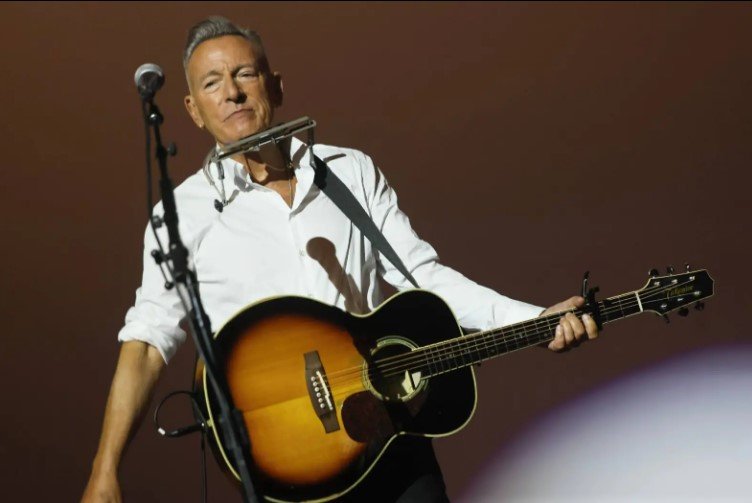
The air was cold that January morning when the sound first reached me — not the strum of guitar, not the cry of voice, but the soft fracture of a world waking to a new kind of weight. Outside, a city stirred with winter light on its breath, and in the quiet of so many living rooms and lonely bedrooms, a man’s voice cracked open the stillness. It was familiar and unfamiliar all at once, like a memory half-remembered in a dream.
There was a hush before the first chord — the kind that settles in the bones. I remember how the wind in the trees seemed to pause, as if listening. Somewhere, unseen, snow settled quietly on the edges of streets that had seen too much this winter, gathering in the corners of mind and place. In that moment, the sound was not sound at all but a kind of reckoning.
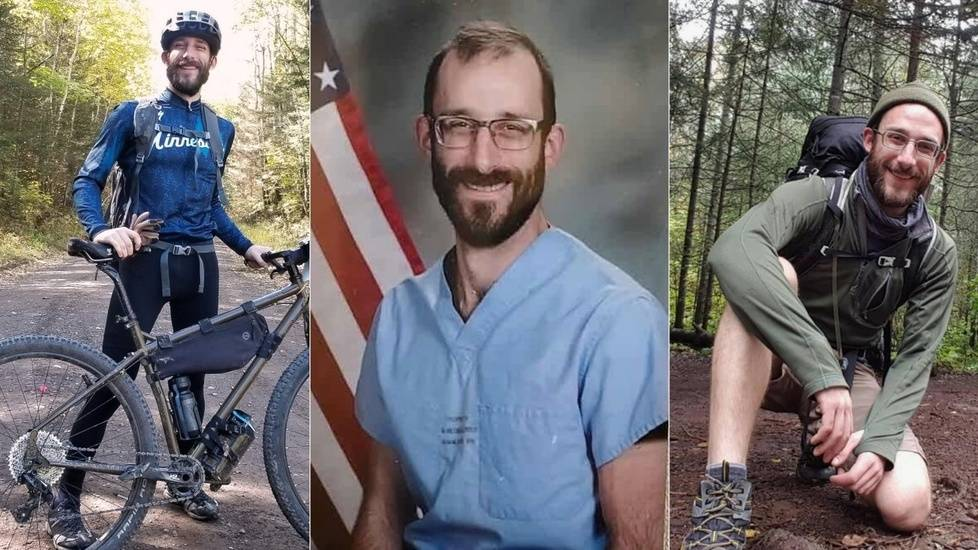
The voice spoke of streets I had never walked and people I had never met, yet somehow I felt their presence like a pulse under my own skin. Renee and Alex — two names carried gently yet firmly through the opening lines — hovered in the air. The syllables were soft, like breath against window-glass, and they lingered long after they were spoken.
I could see it then: a city’s soul stretched on a canvas of gray sky and frozen pavement, the memory of footsteps in snow where mercy once might have stood. The music didn’t shout. It didn’t demand. It offered itself like candlelight in a room full of shadows, illuminating fragments of grief and resistance that people had been carrying quietly, in corners of their hearts.
There were no fireworks in that melody, no frantic tempo urging you forward. Instead there was the weight of stillness — the low, warm vibration of an old guitar echoing against the silence of an early morning. When the voice rose, it did so without anger, but with something heavier: the refusal to let names slip into nothingness.
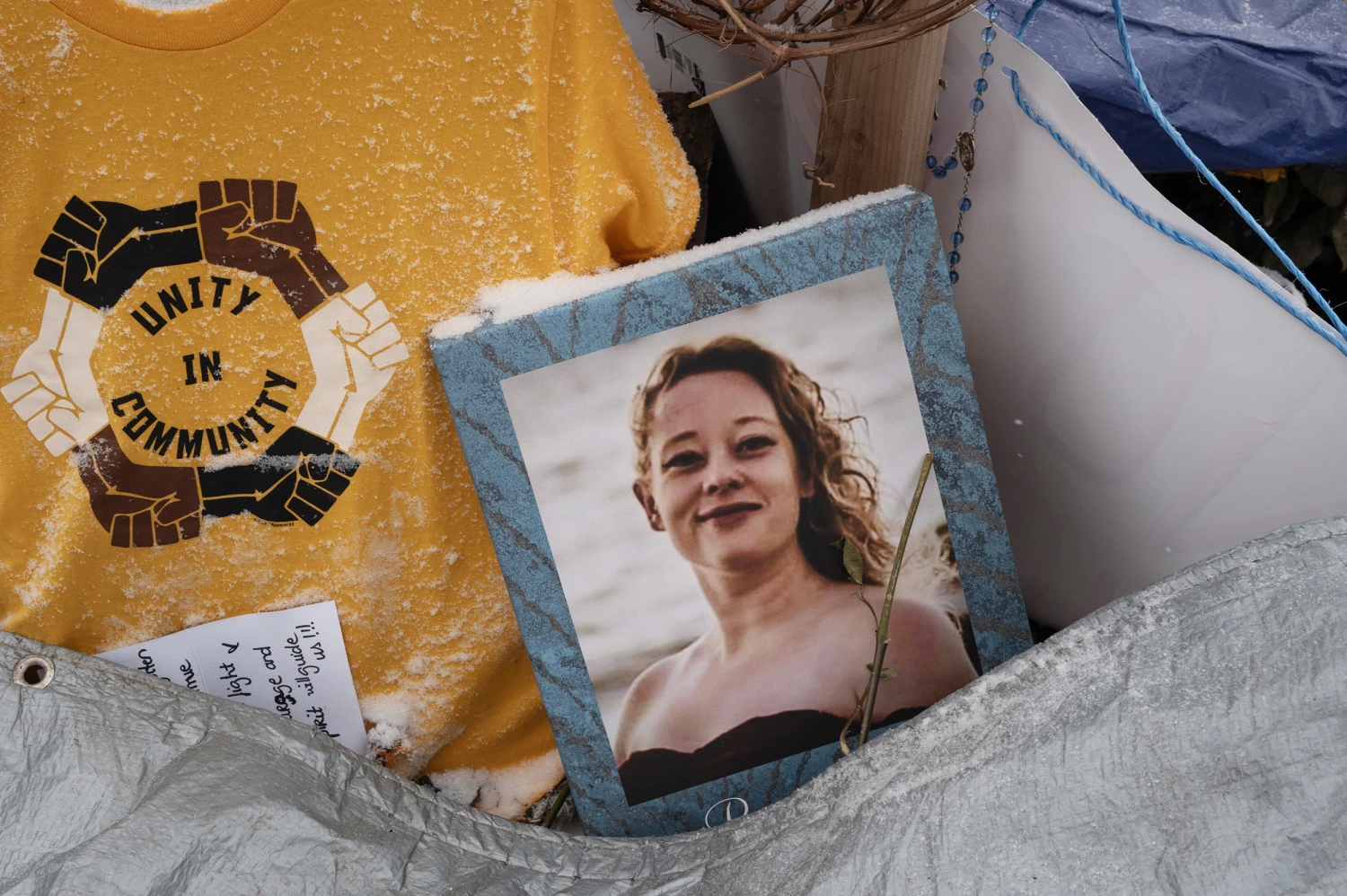
The room felt smaller then, or perhaps it was I who had grown larger within it, filled with something I couldn’t name but knew I recognized: compassion born in the chest like a seed pushing through hard earth. Outside, the world continued its rhythms — traffic, distant voices, the faint hum of life — but inside it was as if time held its breath.
Somewhere, a window rattled with the faintest tremor of wind, and I felt that trembling in myself too. It was not sorrow alone — not just mourning — but the shift that happens when sound becomes memory, and memory becomes resolve. There was a gravity there, a gentle pull toward something beyond reporting or analysis, something elemental and deeply human.
And as the final notes faded, like footsteps retreating down an empty street, a quiet settled over me — not emptiness, but stillness that held a kind of promise. The air felt different then, as though it carried both weight and light, like a sky just before dawn.

I closed my eyes and listened for the echo that lingered, a quiet resonance that seemed to stretch across time and place. In that sound was the quiet insistence of memory, of witness, of names remembered long after the moment had passed. It was a peaceful ache — a feeling that somehow love and loss occupy the same space, and that neither ever truly leaves us.
And so I sat in the hush that followed, in that delicate, almost sacred quiet where music and memory meet, feeling the warmth of that first fragile light. In the end, it was not outrage I carried, nor triumph — but something softer, slow, and enduring: the gentle knowledge that even in the coldest dawn, a voice can rise, and in rising, make room for something like hope