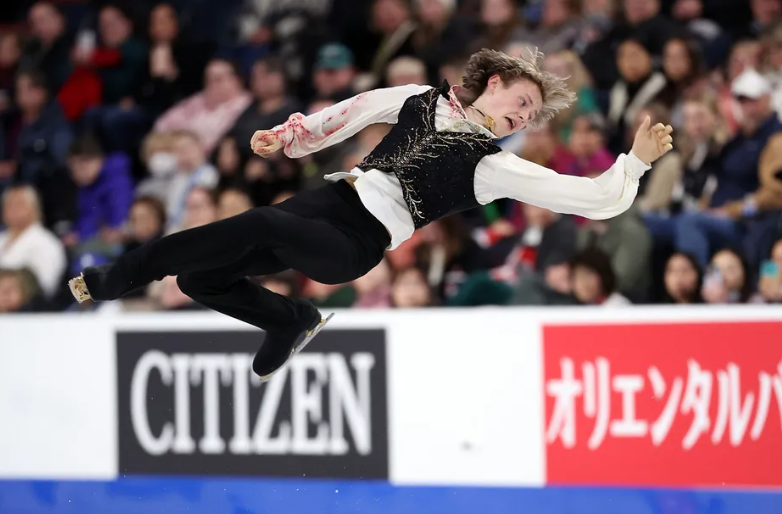
Long after the arena lights dimmed and the ice was carved over by other skates, what lingers is the feeling of that first step onto the frozen surface. More than five thousand people seemed to inhale at once, a single, fragile breath suspended beneath the rafters in Angers. The air felt thin, almost sacred, as if sound itself had agreed to wait.
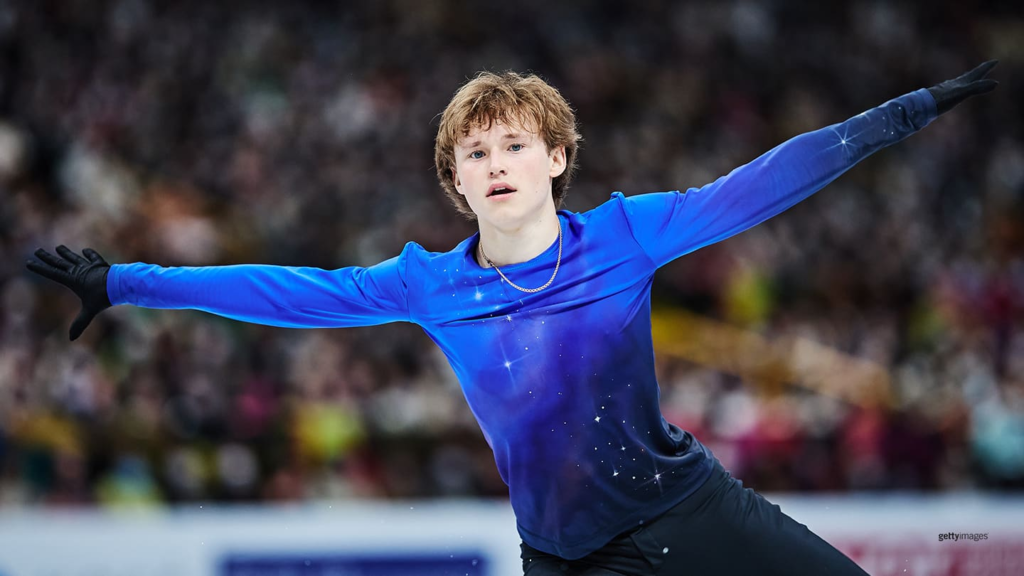
He did not rush. His blades traced a slow arc, testing the ice like a hand pressed against cool glass. There was no bravado in his posture, only a contained stillness — shoulders low, chin steady, eyes focused somewhere beyond the boards. The music began softly, and the rink answered with a faint echo, a whisper beneath steel.
The first jump rose not with violence but with inevitability. It was as though the body had remembered something ancient and precise, lifting cleanly into the light. When he came down, the landing was so sure it barely seemed to touch the earth. A thin spray of frost flickered in the spotlight, then vanished.
Yet it was not the jumps that tightened the chest. It was the glide that followed — that long, unbroken edge cutting across the ice, stretching time until it trembled. In those seconds between elements, you could see the discipline holding everything together. His arms extended, not wide in triumph, but open in something quieter, almost vulnerable.
The arena listened. Not politely, but intensely. The kind of silence that hums in your ears. Every shift of weight, every shallow curve of the blade felt amplified. The ice spoke in soft scrapes and sighs, and the audience leaned forward as though proximity might make the moment last.
There were flashes of steel brilliance — rotations so quick they blurred, landings that settled with surgical calm. But beneath the precision lived something human and restless. In the brief flicker of his expression after a difficult pass, there was a softness, an exposure, as if he were allowing the crowd to glimpse the effort it took to make it look effortless.
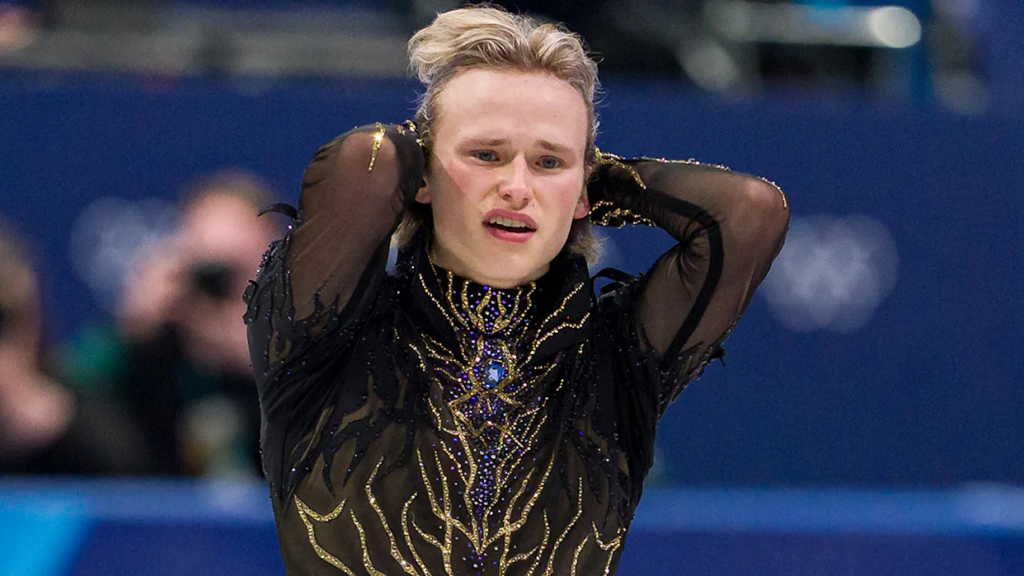
Light pooled around him, catching in the faint mist rising from the rink. His costume shimmered, then stilled, then shimmered again as he moved through shadow and brightness. Each sequence felt like a conversation between control and surrender, the body insisting on order while the music urged something freer.
As the program deepened, the edges carved darker lines into the ice. The rhythm slowed. A final jump soared — high, exact, almost suspended against the ceiling — and when he descended, he did not break the quiet. He held it. He let the stillness stretch, arms lowered gently, breath visible in the cold.
The last note dissolved into the rafters. For a fraction of a second, nothing happened. No clapping, no shouting. Just thousands of hearts catching up to themselves. It felt less like waiting for permission to applaud and more like recovering from a spell.
Then the silence fractured into thunder, and the sound was not merely approval. It was recognition. People rose without realizing they had stood. Some were smiling in disbelief, others blinking back tears they could not quite explain. The ice, newly marked and shining under the lights, seemed to hold the imprint of what had passed across it.
Years from now, it will not be the scores remembered, nor even the mechanics of the jumps. It will be that collective stillness — the way breath was shared, the way time felt briefly altered. The way one skater, alone in the vastness of an arena, made thousands feel the fragile beauty of balance, and left the ice quieter than he found it.