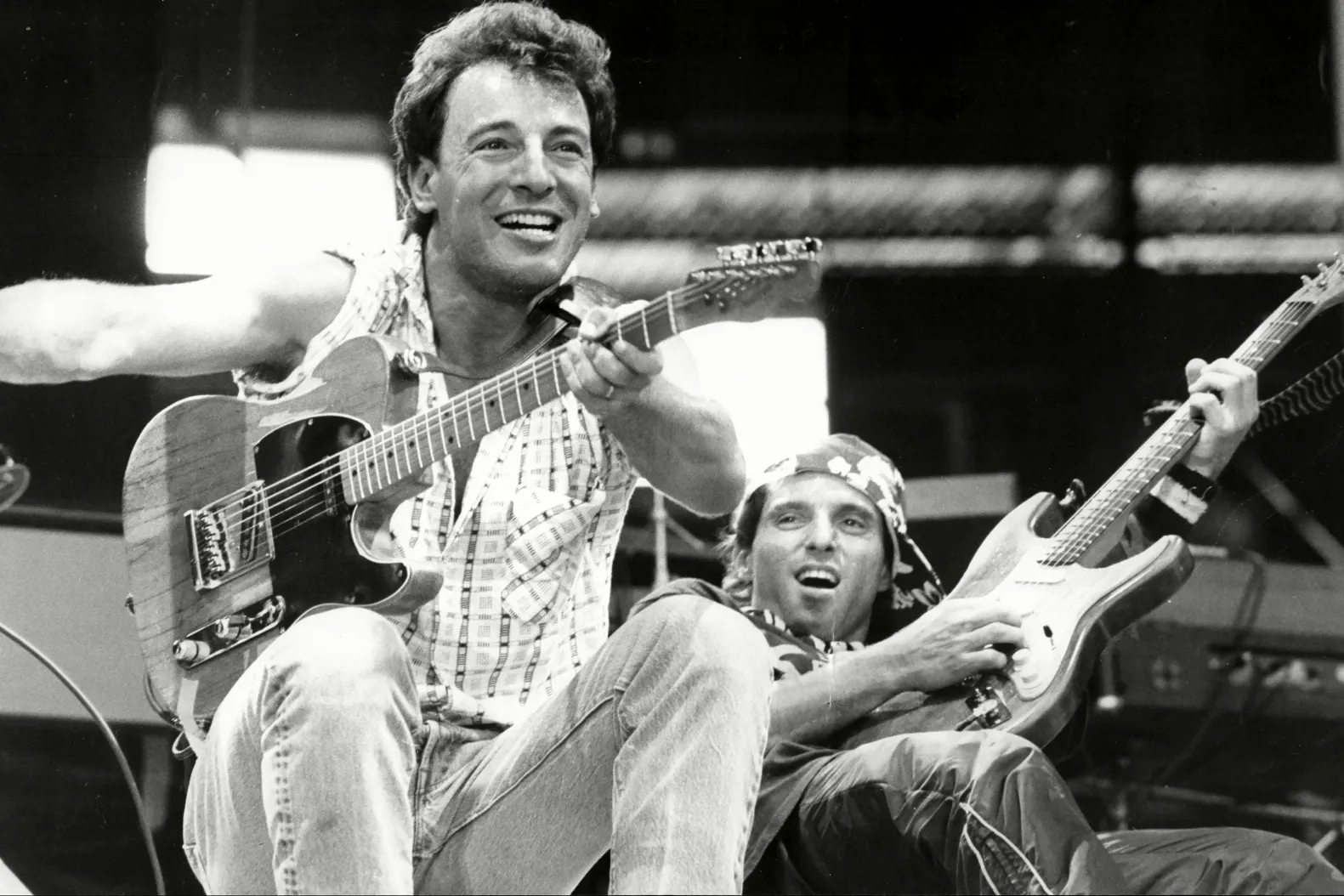
There was a hush that morning, not the calm of peace but the held breath of a city unsure what it was waiting for. The snow lay thick on the pavements, a soft white blanket that dulled footsteps and muffled sound, and in that stillness every shadow looked heavier, every movement more consequential. Beneath a slate-gray sky, the city seemed paused — as though bracing itself for its own reflection.
He stood at the periphery, watching. The air was cold against his cheek, a sharpness that made each breath visible, suspended in front of him like a secret. Across the street, figures in heavy coats leaned against unmarked cars, their faces obscured by layers and intent. Somewhere distant, a car door thudded; the sound was crisp, abrupt, and split the quiet.

She was already there when he arrived. In her maroon vehicle, she sat with a radiance that the winter could not dim — a mother who had waved her child off to school only moments before, her heart still warm with familial love. Eyes soft yet resolute, she watched the uniformed figures as though cataloguing every step, every nuance with a quiet vigilance born of years spent tending to a community.
Then came the flash: a noise that shattered the fragile calm. In less than a breath, three sharp reports rang against the cold air. She was no longer in the seat but in memory, motion stilled and sacred, light bent around her. The snow seemed to shiver red in that instant — a trembling scar upon the white.
Across town, another man watched as friends and neighbors gathered, clustering in the soft dusk of an afternoon sun that seemed too tired to rise fully. He saw in their faces the same flicker of disbelief, of grief made visible in trembling lips and quiet hollers carried off by the wind. In the distance, chants began — not loud at first, but insistent — rising like heat from frozen ground.
Bodies bent under the weight of winter coats moved through streets that felt too narrow, too cold, too vast with sorrow. A nurse who had never sought the front lines had found himself in their midst, arms outstretched to aid another just fallen. There were voices, sharp and fracturing, and then — the shock of violence again: a body crumpling to the ground, the world halting as if time itself had drawn back.
Silence followed, not the absence of sound but the presence of it: the hush of hundreds holding their breath, the murmur of snow settling back into place, the distant rumble of sirens that felt too late to matter. People knelt where they stood, fingers tracing names in the cold, voices cracked into frozen air.
Night fell, and with it a cold that pressed into the bones, yet the streets did not empty. Flames from candles flickered in windows and doorways, small suns against the dark. Faces gathered in circles, eyes glinting with unshed stories, lips moving in shared remembrance. Nothing was spoken loudly — only felt in the silence between hearts.

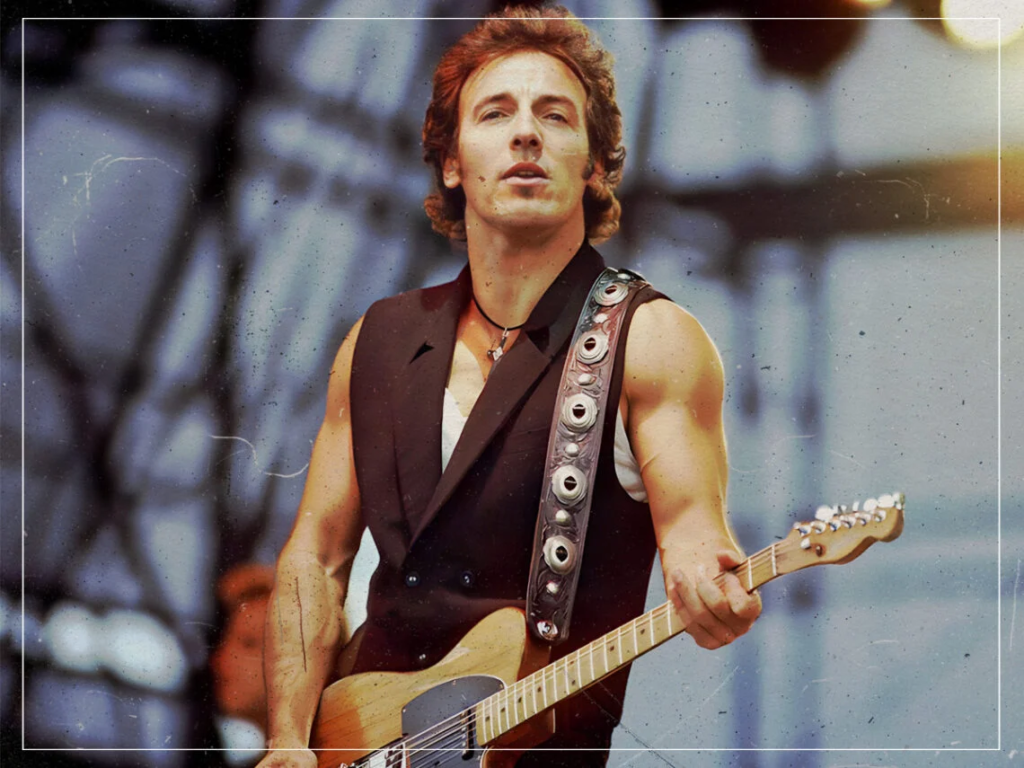
Music began to thread through it all, first a solitary guitar note that pierced the night, then another, and another. Each note carried the weight of the day’s sorrow into something that rose, not in fury but in raw, trembling recognition. It was an echo of everything that had been lost and everything that refused to be forgotten.
And when the song faded into the cool dawn, the city did not feel the same. The snow was still there, and the air still sharp, but in the steady quiet of morning there was a sense of gathering strength — fragile, luminous, and real. In that gentle light, every step taken forward felt like a promise, carved not in grand gestures but in the simple, enduring steadfastness of remembering.
They would carry these moments with them — the hush of snowfall, the glow of candlelight against winter’s breath, the chords that rose like a vow in the darkness. And in that quiet remembrance, the heartbeats of a city found their own persistent song.