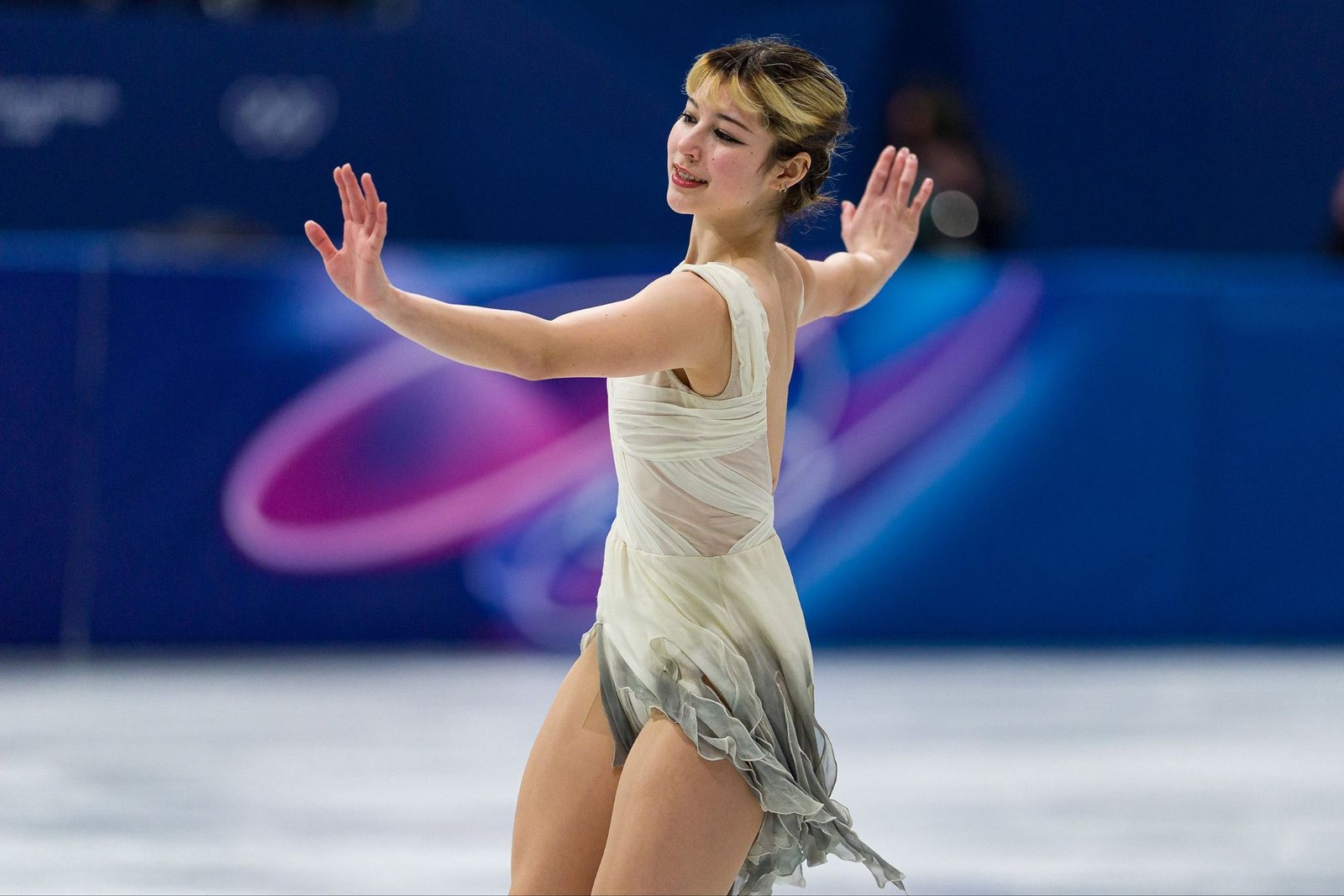
The arena lights at the 2026 Winter Olympics burned white against the cold air, and when Alysa Liu stepped onto the ice, the world saw only grace. Blades whispering. Shoulders steady. A quiet confidence carved into every movement. But far from the music and the roar of the crowd lived another memory — a smaller room, a dim lamp, and a family holding its breath.
Years earlier, the house had grown unusually quiet at night. Phones that once carried laughter began ringing with unfamiliar numbers. Sometimes there was silence on the other end. Sometimes a voice that vanished before it finished its sentence. The kind of calls that leave a room colder after they end.
Her father would later remember the way the kitchen light flickered against the counter while the phone rested between them. No shouting. No panic. Just a long pause — the kind where everyone understands something has changed, even if no one says it out loud.
Outside, winter still came the same way it always had. Frost on the windows. Early morning drives to the rink. But inside the car, the conversations were different. Quieter. The windshield fogged as father and daughter sat for a moment before stepping into the cold.
At the rink, the ice looked untouched, a perfect sheet of pale blue. Alysa would lace her skates slowly, fingers steady but thoughtful. The sounds around her — blades cutting, coaches calling instructions, music echoing through speakers — felt distant, like they belonged to someone else’s life.
There was a night when she finally said it. Not dramatically. Not with tears. Just a soft sentence that seemed to fall between them.
Maybe it wasn’t worth it anymore.
The words didn’t echo. They simply rested there, fragile and heavy. Her father didn’t answer right away. He watched the way she traced small circles in the frost on the rink glass, her reflection doubled in the cold surface.
Fear can make even the strongest dreams feel small.
For months, the family moved carefully through their days, the way people do when uncertainty lives just beyond the front door. Yet the ice remained. Waiting. Silent. Patient in the early hours before the rink filled with noise.
Then one morning, before sunrise, she returned to it.
No announcement. No speech. Just the quiet rhythm of skates touching frozen water again. The first glide was cautious, almost tentative — and then a little faster, the blade carving a longer line. The rink lights caught the edge of her skate like a spark.
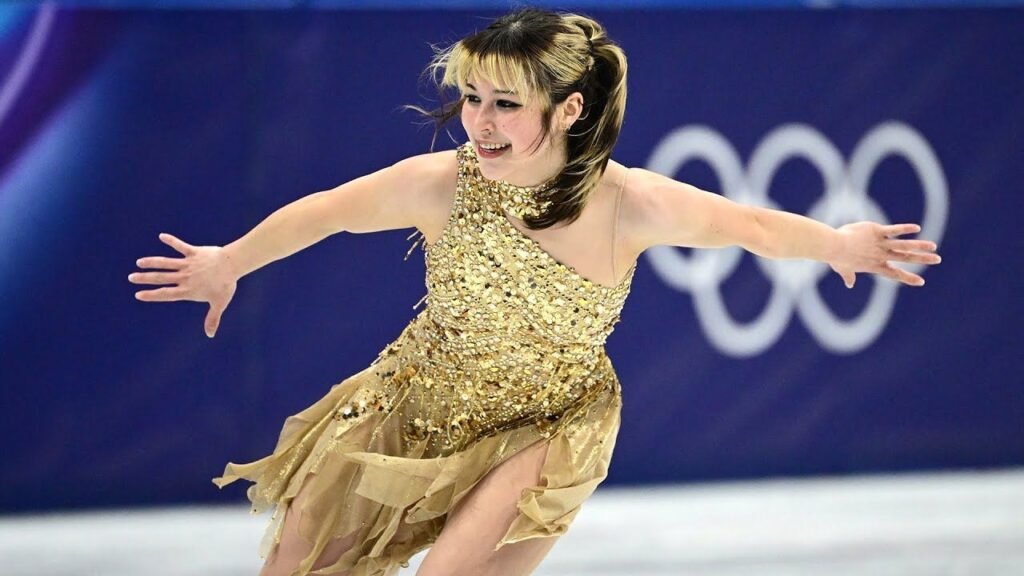
Years later, when the music swelled in that Olympic arena and the crowd rose to its feet, few people knew how close that moment had come to never existing. They saw a champion standing in the center of the rink, gold light spilling across the ice.
But somewhere in the memory of that victory lives a quieter image — a young skater in an empty rink before dawn, breathing into the cold air, choosing to stay.