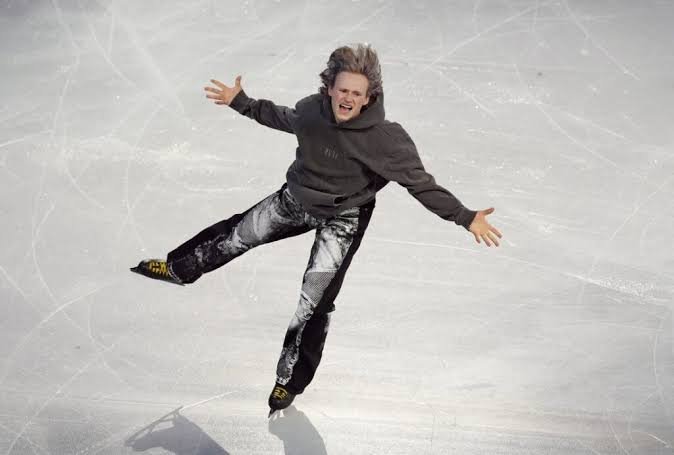
The arena did not roar when he stepped onto the ice.
It breathed.
Light settled softly across the surface of the rink at the gala of the Milano Cortina 2026 Winter Olympics, turning the ice into something pale and endless. There were no rankings left to chase, no numbers waiting at the end. Only the faint sound of blades touching down. Only the space between one breath and the next.
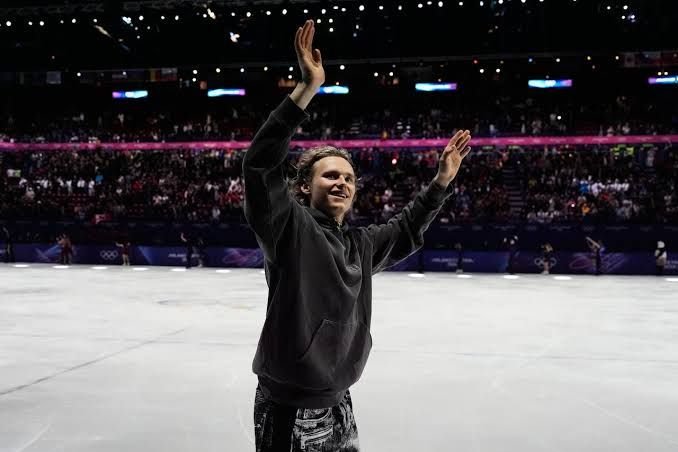
He stood still for a moment longer than expected.
Two nights earlier, the air had been heavy with pressure. Every movement measured. Every mistake louder than it should have been. But now his shoulders lowered. His hands relaxed at his sides. When he pushed forward, the first glide was quiet and unguarded, like someone stepping back into a place they once knew well.
The music rose gently, but it was the silence around it that carried the weight. His edges cut clean lines into the ice, thin and deliberate, each turn unhurried. There was no urgency in the way he moved. No attempt to prove anything. Only control. Only presence.
The first jump came almost unexpectedly.
It lifted without strain, without the sharp tension that usually precedes it. Air, rotation, landing. The blade returned to the ice with a soft, confident whisper. No celebration. No reaction. He simply continued, as if the moment had always been meant to be that calm.
His expression did not change much, but something in his eyes had.
The tight focus of competition had loosened. His gaze moved outward now, occasionally toward the crowd, occasionally inward, somewhere quieter. The choreography unfolded like memory rather than performance — steps that felt lived in, gestures that carried weight without asking for attention.
Midway through the program, the arena grew still in a different way.
Footwork gathered speed, then softened again, the rhythm shifting between precision and ease. Each movement seemed to release something invisible. Not frustration. Not disappointment. Something quieter than that. Something closer to acceptance.
Then came the moment people would later replay.
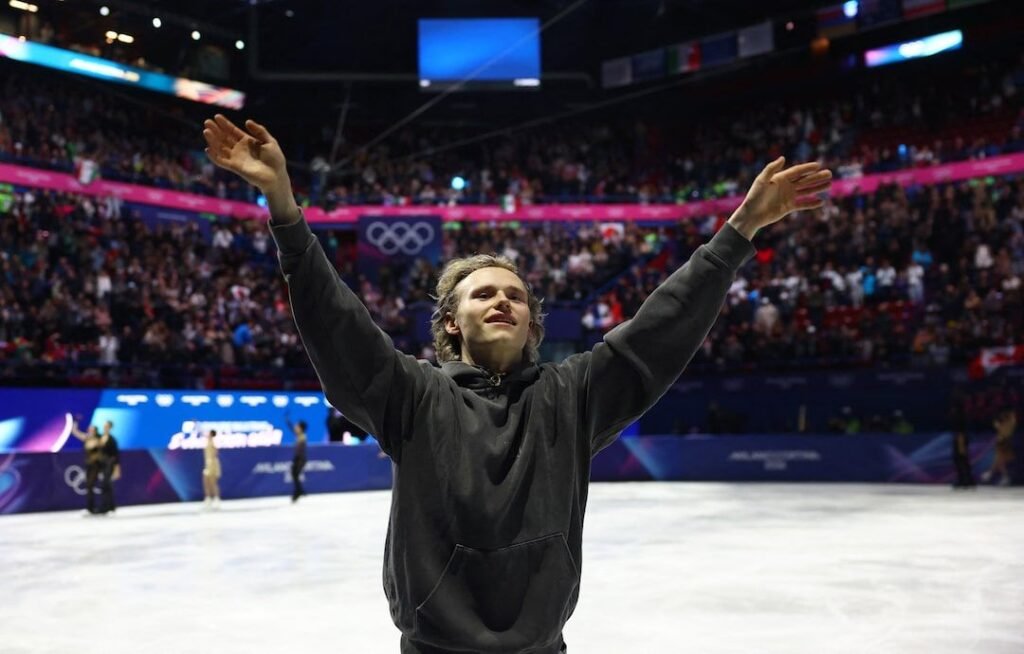
Near the end, after a final pass across the ice, he slowed to almost nothing. One long edge. A gradual turn. His arms opened, not wide, not dramatic — just enough. His head tilted slightly upward, as if listening for something above the music. For a second, he didn’t move at all.
The applause didn’t interrupt the stillness.
It rose slowly, almost carefully, as if the audience understood they were stepping into something personal. He bowed once, briefly, without flourish. When he straightened, there was the smallest hint of a smile — not triumph, not relief, but recognition.
As he skated toward the exit, he did not look back.
The lights remained bright. The ice remained marked with the lines he had carved. But the tension that had followed him earlier in the week felt gone, dissolved somewhere between those quiet edges and that final pause.
Long after the scores were forgotten, after the medals were stored and the conversations moved on, this was the image that lingered.
A skater alone on open ice, moving without weight, without urgency — and for a few quiet minutes, looking completely at home again.