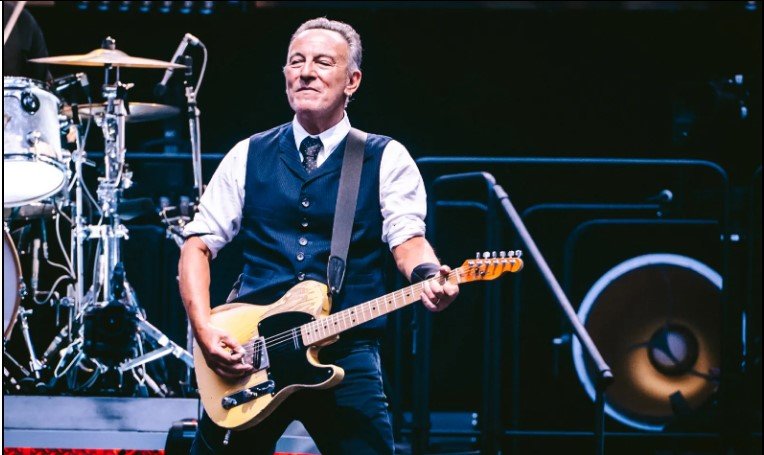
The room was cold with winter’s breath, frost painting breath on windows, and yet the air inside was molten with presence — the kind that settles only when something enormous, unrepeatable, is unfolding. In the dim glow of First Avenue’s aged lights, faces were turned upward before they knew why, like roots drawn to an unseen sun. Then Springsteen stepped into that hush, guitar resting against his chest, and the first chord of “Streets of Minneapolis” broke the silence, not like sound but like recognition.
There was a stillness then that felt holy, as though time had tilted just so. People could hear their own heartbeats beneath the strum, and in that slow dawning they understood: this was not just performance, it was consecration. Shadows curled along the walls, breathing with the crowd, as the first lines fell into the room — not sung so much as laid bare, each phrase a tremor under the skin.
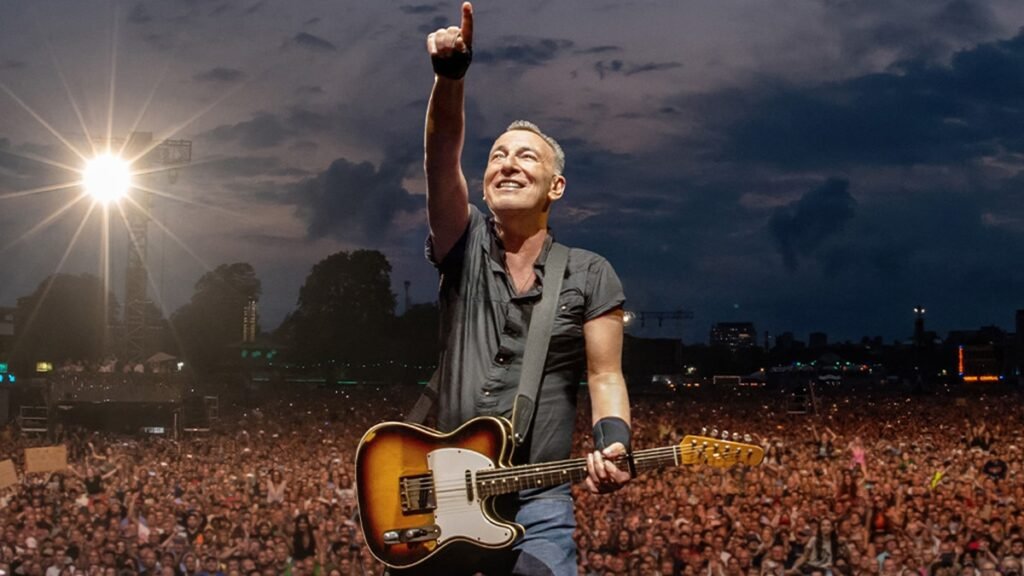
And somewhere, stitched into the steady thrum of the song, were names: Renée Good… Alex Pretti… whispered into the world like breath into snow. For a moment the audience did not applaud — they simply listened — caught between what was lost and what it meant to remember.
Outside, the wind carried Minneapolis night against the doors, but inside there was warmth, thick as breath, as if a flame had been lit in every chest. A neighbor’s sigh became a chorus, a child’s wide eyes a hymn, the silence between each chord a lesson in collective heartbeat.
When Springsteen spoke before the song, he didn’t shout. He simply let the words fall like stones into still water, and memory rippled outward from them — for the people of Minneapolis, people of Minnesota, and people of our good country of the United States of America. The pause after felt like an invitation to something deeper, something unspoken yet universally known.
And then the song began again — not louder, but more certain, as though answering its own echo. The first note lingered in the air, refusing to leave, like a memory we all share but rarely speak.
You could see it in every face — the way eyes softened, then hardened, then glistened with something too pure for words. Under that roof, in that breath of time, music was not sound but witness.
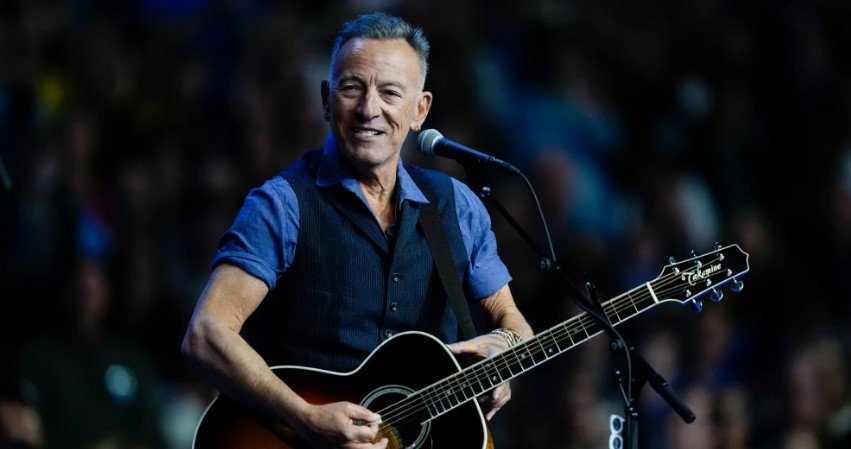
Tom Morello stood to the side, guitar slick with reflection, his presence like fire in a quiet field. When he joined for “The Ghost of Tom Joad,” it felt less like collaboration and more like resistance given voice.
And in the final hush after the last chord, the silence was not emptiness but promise — dense, electric, unafraid. People exhaled together, like a single breath drawn and held, then released into the night.
Long after the lights came up, long after the last echo faded into the Minneapolis sky, the memory of that moment did not dissipate. It stayed — quiet, powerful, like the weight of a name spoken aloud and never forgotten.