Under the white blaze of the 2026 Winter Olympics, the arena felt impossibly bright, as if light itself demanded perfection. Blades whispered across the surface while thousands waited for flight. When Ilia Malinin stepped onto the ice, the air shifted almost imperceptibly — expectation tightening like a held breath no one dared release.
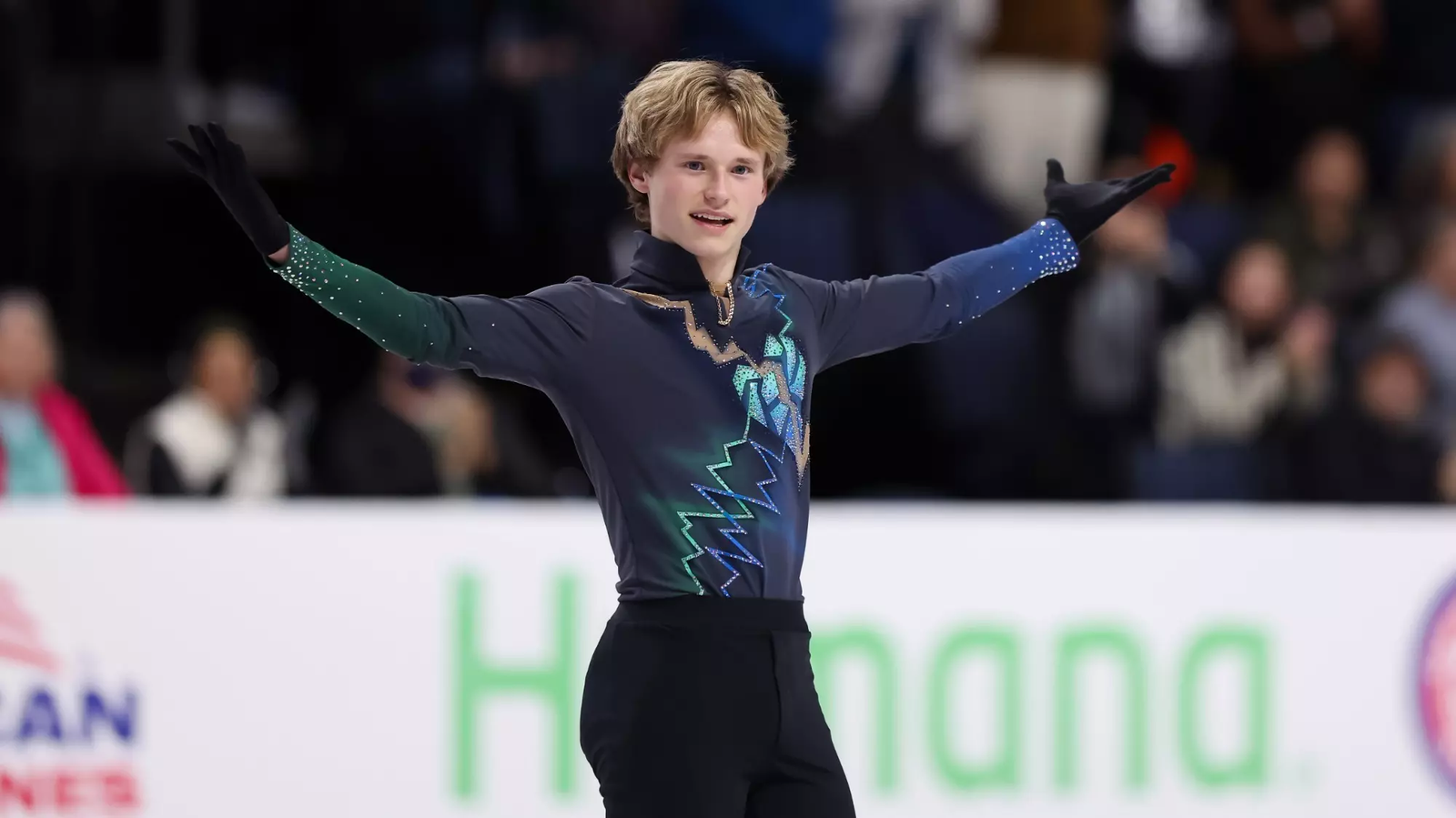
He moved with the certainty of someone who had spent a lifetime learning how to fall without fear. The opening strokes were clean, quiet, intimate. Each edge carved a promise into the ice. The music rose gently beneath him, and for a moment he seemed untouchable, suspended between boyhood and myth.
Then he jumped.
The lift was familiar — powerful, fearless — the kind that once made crowds erupt before he even landed. But this time the descent came too quickly. Steel struck ice with a sharp, unforgiving sound. Not loud, not dramatic. Just final. A murmur rippled outward, the audience unsure whether to gasp or pretend nothing had happened.
He stood again, shoulders squared, eyes focused somewhere far beyond the rink. The program continued, but something delicate had shifted. The jumps carried hesitation now, a fraction of doubt flickering through movements once defined by certainty. Another mistake followed, quieter than the first but heavier somehow, like a secret revealed.
When the music ended, applause arrived late — gentle, protective. He bowed automatically, the gesture practiced since childhood. Yet his smile lingered half a second too long, as if trying to convince himself the moment still belonged to him. The scoreboard’s glow reflected in his eyes before he turned away.
Eighth place appeared without ceremony. No thunder. No collapse. Just numbers resting coldly against his name. Around him, cameras searched for reaction, but he moved through the kiss-and-cry area like someone walking underwater, sound muffled, expressions distant.
Later, the arena emptied. Zambonis erased the marks left behind, smoothing over triumph and disappointment alike. Somewhere in the corridors, laughter from other skaters echoed faintly, blending with the hum of fluorescent lights. He passed unnoticed for a moment — not a legend, not a headline, only a young man carrying skates over his shoulder.
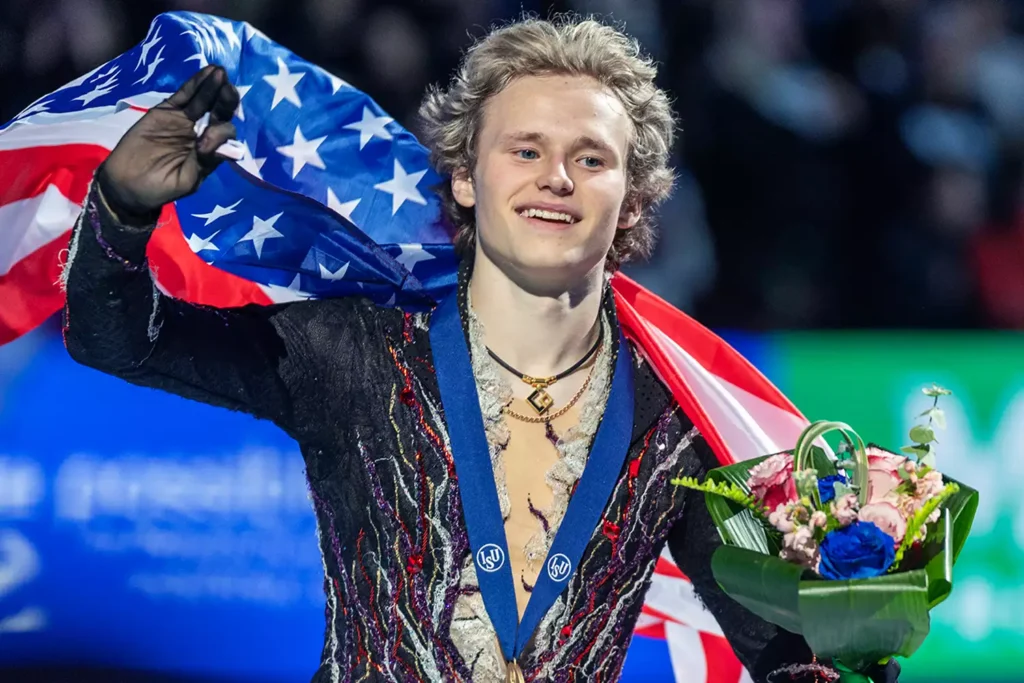
Midnight softened everything. In the blue glow of a phone screen, words replaced applause. No statements. No defenses. Only quiet reposts — fragments of vulnerability drifting into the world. Videos about not being enough. About exhaustion that has no language. About a child who kept striving long after joy turned into responsibility.
Fans watching from thousands of miles away felt something unfamiliar: not heartbreak for a lost medal, but recognition. The invincible image dissolved, revealing someone smaller inside the spotlight — someone who had grown up while the world watched, expected, believed.
Perhaps the most unforgettable part of that night was not the fall itself but the stillness afterward. The way he sat alone, shoulders slightly curved, breathing slowly as if relearning how to exist outside expectation. The arena lights dimmed, and for the first time, silence felt kinder than applause.
Years from now, people may remember the jumps he landed or the titles he chased. But those who were there will remember the quiet — the fragile humanity revealed beneath brilliance. Because in that fleeting moment, the ice did not witness failure. It witnessed a young man discovering that even those called extraordinary are allowed to break, rest, and rise again — not as legends, but as themselves.