The first sound he ever learned to recognize was not music, but steel cutting across ice. In the cold air of empty rinks, where echoes linger longer than voices, Ilia Malinin grew up watching his parents glide across the surface as if the world outside the boards did not exist. Other children remember playgrounds, laughter, noise. He remembers the quiet hum of the rink lights and the feeling that every step forward meant learning how to fall first.
There was never a moment when skating was a choice. It was already there, waiting, long before he understood what it meant to carry a name people recognized. Being the son of Olympic skaters did not make the ice softer beneath his blades. If anything, it made it harder. Every movement felt like it was being compared to something that had already been done, already been perfected, already been remembered.
He learned early that the rink could feel very large when you are alone in it. After practice ended and the doors closed, he stayed behind, repeating the same steps until the sound of his own breathing became louder than the scrape of the blade. There were nights when nothing worked, when jumps refused to rise, when the body felt heavy and the mind even heavier. Those were the nights no one saw, the ones that never appear in highlights.
The idea of the impossible came quietly at first. A jump spoken about like a rumor, something too dangerous to try, too uncertain to trust. The quadruple axel was not supposed to belong to anyone yet. Coaches talked about it carefully, skaters mentioned it like a distant future. But somewhere in those long, empty sessions, the thought stayed with him longer than it should have.
He did not chase it out of pride. He chased it because the silence of the rink left no place to hide from himself. Again and again he stepped into the takeoff, feeling the moment stretch in the air longer than it should, feeling the landing slip away before his blade could find it. The falls were hard, the kind that leave the body aching long after the ice has melted.

Then one day the jump did not slip away. The rotation finished, the blade found the ice, and for a second the world did not react at all. No crowd, no music, just the sound of steel touching down exactly where it was meant to. It felt less like victory and more like a door opening to something he could not step back from.
After that, the quiet changed. People started watching differently, speaking his name with a kind of certainty he did not feel yet. They called him the future before he had time to understand the present. Expectations grew louder than applause, following him from one competition to the next, waiting for proof that the moment on the ice had not been an accident.
There were performances where the body refused to listen, where the timing slipped by the smallest fraction, where the landing came too fast or too late. Under the lights, mistakes feel heavier than they should, as if the air itself is holding them in place. He learned how quickly the same crowd that once held its breath can begin to breathe again.
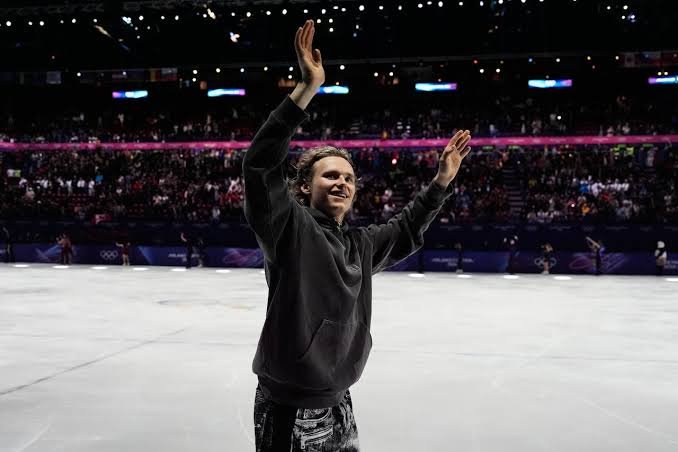
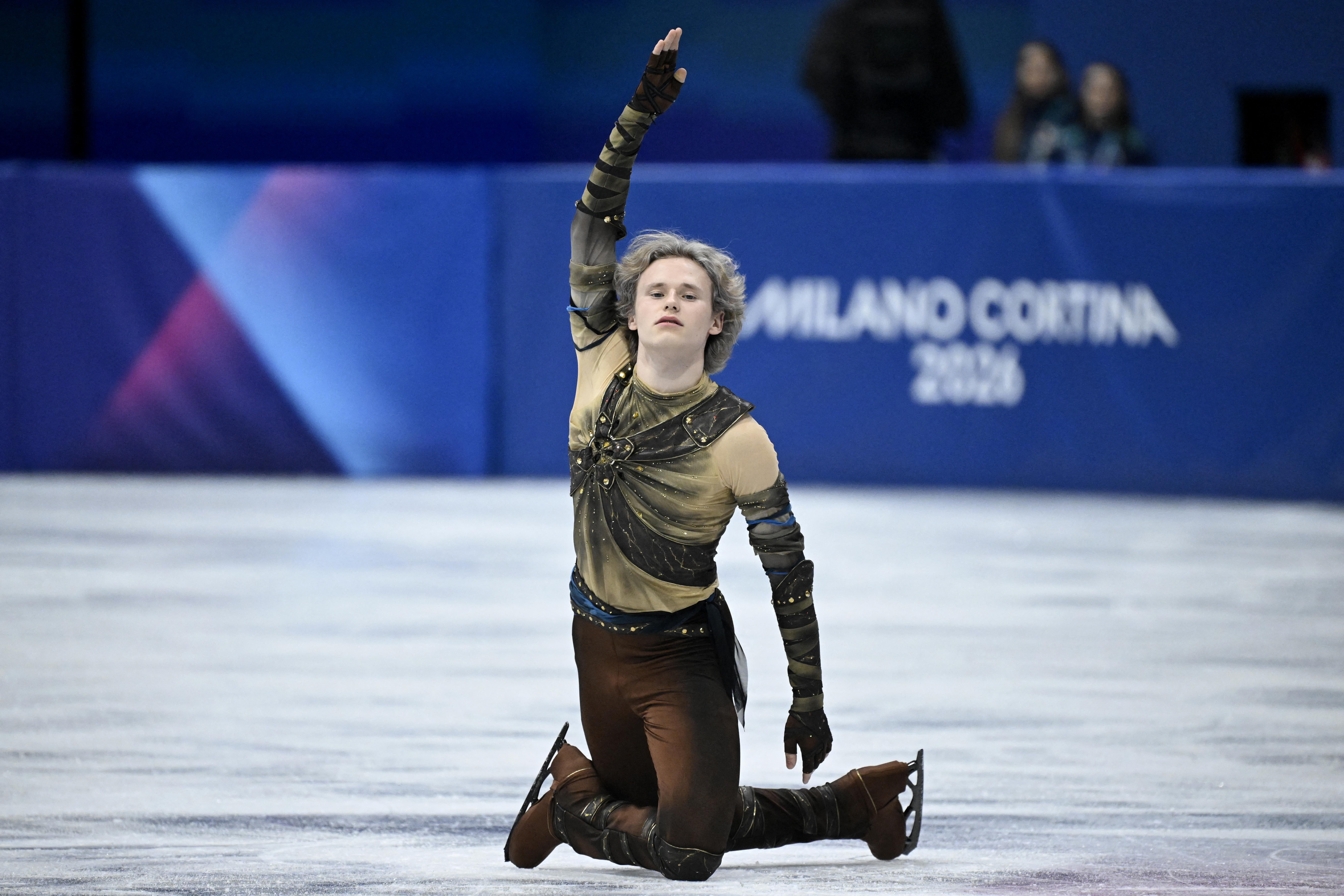
The Olympics felt different from the moment he stepped onto the ice. The arena was louder, but inside the noise there was a strange stillness, the kind that makes every movement feel sharper, more fragile. He stood at the center, not as the child in the empty rink, not as the skater chasing the impossible jump, but as someone the world had already decided to believe in.
When the music started, the past did not disappear. It moved with him — every fall, every late night, every quiet practice where no one was watching. The program ended the way moments like that often do, without the perfect answer people expect. But as he left the ice, there was something in his expression that did not look like defeat, and not exactly like relief.

Long after the lights faded and the crowd moved on, the rink was quiet again. The same quiet he had known since the beginning. And somewhere in that silence, the sound of blades on ice was still there, steady and familiar, reminding him that the story was never about one jump, or one medal, or one night — only about the boy who kept stepping onto the ice, knowing that falling was part of learning how to fly.