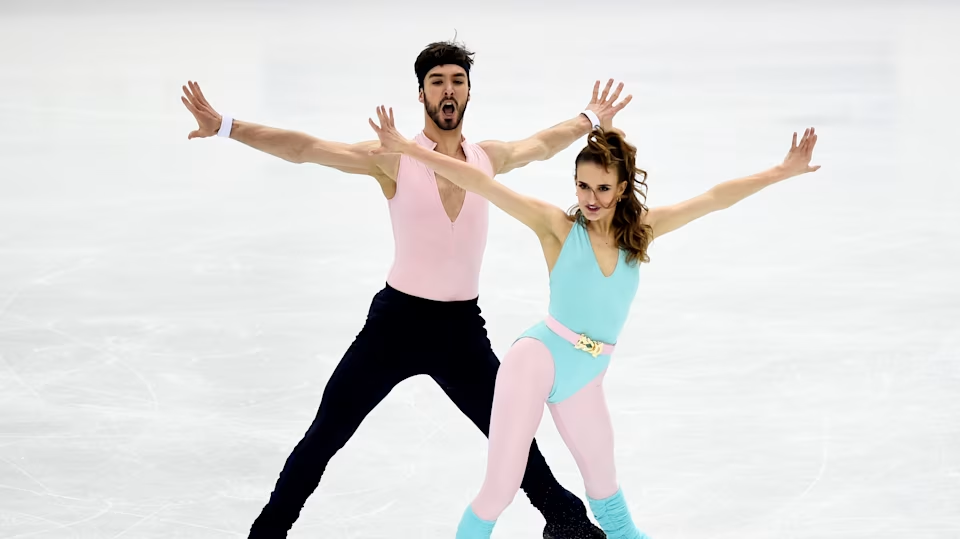
There are performances that win medals, and then there are performances that outlive them. What Gabriella Papadakis and Guillaume Cizeron created at the 2018 Winter Olympics belongs to the second kind — the kind that doesn’t just end when the music fades, but lingers, quietly rewriting how we remember greatness.
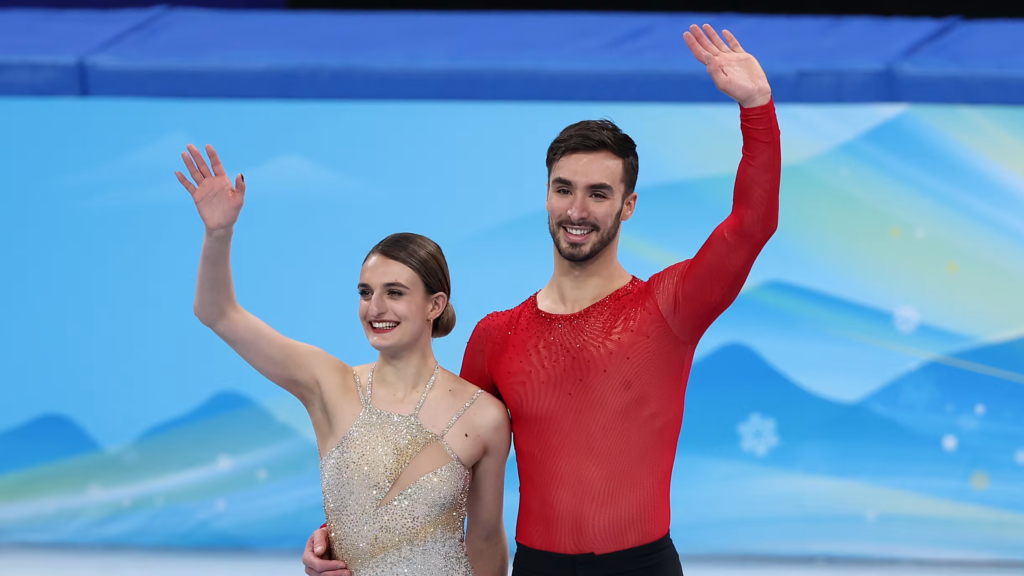
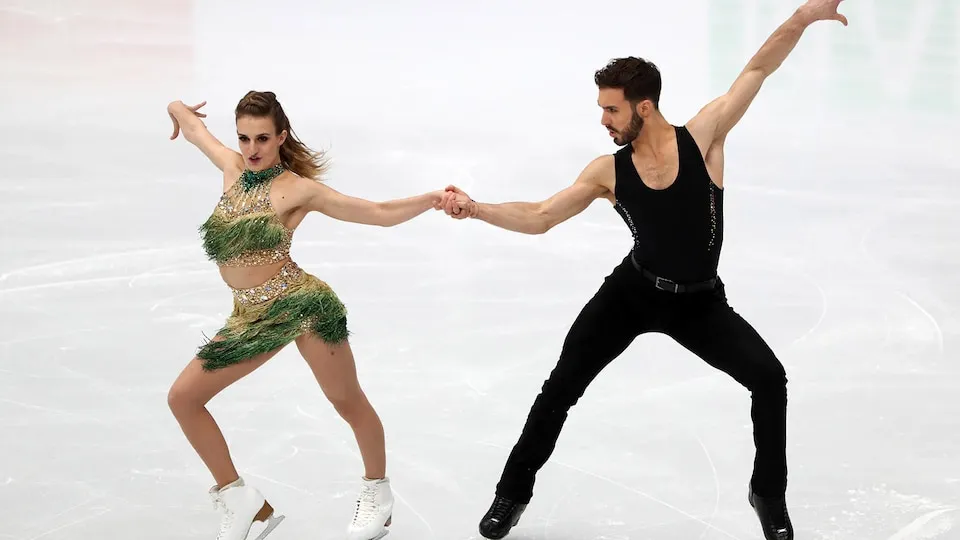
The stage in PyeongChang was not kind to them. A costume malfunction in the rhythm dance had already shattered the illusion of perfection that followed them into the Olympics. In a sport where precision is everything, even a fraction of distraction can dismantle years of preparation. And yet, what came next felt almost defiant in its stillness.
When the opening notes of Moonlight Sonata filled the arena, something shifted. Not dramatically. Not loudly. But subtly — like the air had decided to hold its breath.
They didn’t skate like athletes chasing redemption. They skated like artists who had already accepted whatever the outcome would be. And in doing so, they removed the very pressure that could have consumed them. That’s what made it so unsettling to watch — not the difficulty, not the technique, but the absence of visible effort.
Every movement felt inevitable, as if it had always existed and they were simply revealing it. No exaggerated expressions. No desperate reach for applause. Just a quiet unfolding of something deeply internal. It was control, yes — but not the rigid kind. It was fluid, almost fragile, like it could dissolve if touched too harshly.
And maybe that’s why it hit harder.
Because audiences are used to being told what to feel. Big crescendos, dramatic lifts, sharp transitions — signals that guide emotional response. But this performance refused to instruct. It invited. It left space. And in that space, people found their own emotions waiting.
You could see it in the crowd — not explosive reactions, but a kind of stillness that rarely happens in arenas built for noise. The kind of silence that isn’t empty, but full. Almost sacred.
Technically, it was near flawless. Their edges carved the ice with a softness that belied the complexity underneath. Their timing, their synchronization, their musicality — all of it aligned with a precision that didn’t need to announce itself. But oddly, those details felt secondary.
Because what people remember isn’t what they did.
It’s what they made you feel.
And that feeling didn’t end when they stepped off the ice. It lingered in the replays. In the quiet conversations afterward. In the way people returned to that performance years later, not to analyze it, but to experience it again.
They didn’t win gold. In the official record books, that matters. It always will. Medals define careers, shape narratives, and determine legacy in ways that are hard to ignore.
But here’s the strange part.
This performance refuses to stay confined to that result.
It exists outside of it — almost untouched by the outcome. Because while medals are decided in a moment, resonance is decided over time. And time has been unusually kind to this skate.
It keeps resurfacing. In compilations. In discussions. In quiet recommendations passed between fans who simply say, “Watch this.”
Not because it was the best.
But because it felt the most honest.
And maybe that’s the rarest thing in a sport built on perfection — a performance that doesn’t just impress, but connects. One that doesn’t demand recognition, yet earns remembrance.
Years from now, people may forget the exact scores. The placements. Even the controversies that surrounded that Olympic event.
But they won’t forget this.
Because long after the medals were awarded, long after the lights dimmed and the arena emptied, one truth remained — some performances don’t need gold to become unforgettable.