The courtroom was prepared for another day of legal arguments, evidence, and procedure. What no one seemed fully prepared for was grief in its rawest form. When the mother of former FedEx driver Tanner Horner took the stand, the atmosphere shifted almost instantly. Her voice, trembling under the weight of memory, carried across the room as she spoke not about the crime now under scrutiny, but about the years that came long before it. In that moment, the trial became something more complicated than guilt and punishment—it became a portrait of pain.
Jurors listened carefully as she described a childhood she said was marked by instability, hardship, and emotional wounds that never truly healed. There were pauses between her sentences, moments where emotion overtook language. The kind of silence that follows such pauses can be louder than any testimony. Even those who had entered the courtroom expecting a routine day appeared visibly moved by what unfolded.
Then came the photographs.
Images from his early years were shown to the jury—snapshots of a young boy frozen in time, smiling in some frames, distant in others. They were ordinary family pictures on the surface, yet in the context of the courtroom, they felt haunting. The contrast was impossible to ignore: innocence captured in childhood, placed beside the reality of the man he would later become. It was not merely evidence. It was a collision between past and present.
Trials often focus on actions, timelines, and outcomes. But sometimes they reveal the fragile architecture of a life. The testimony did not excuse anything, nor did it seek to erase the suffering tied to the case. Instead, it introduced a harder truth—that human stories are rarely simple. The person standing at the center of public outrage had once been a child shaped by circumstances no jury could reverse.
Several people inside the courtroom reportedly lowered their eyes as the mother continued. She spoke of trying, failing, hoping, and fearing. Parents in similar situations know that helplessness can be its own kind of punishment. To watch a child struggle, to wonder what could have been changed, and then to sit in court years later answering for memories no one can repair—that is a burden words barely contain.
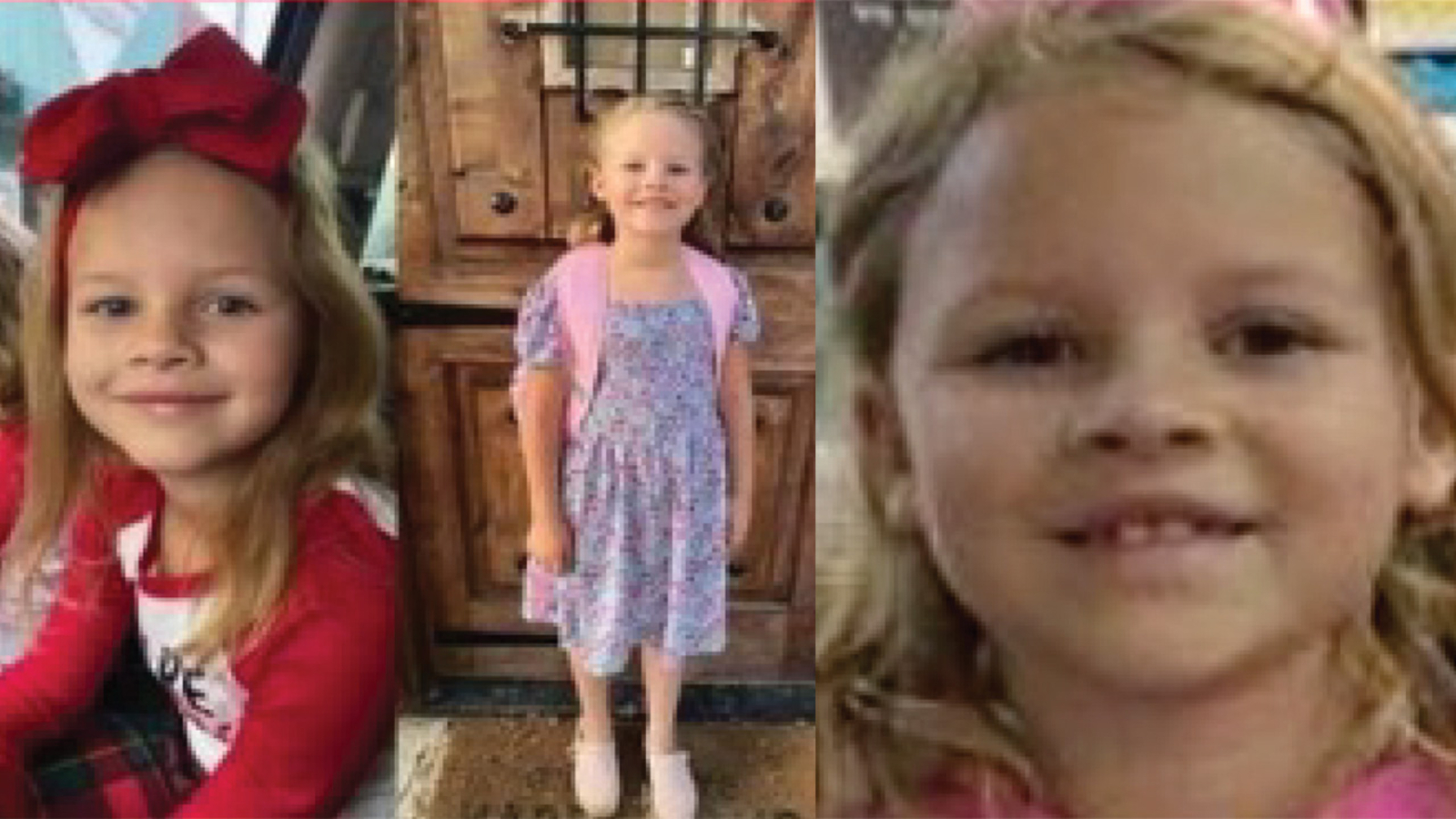
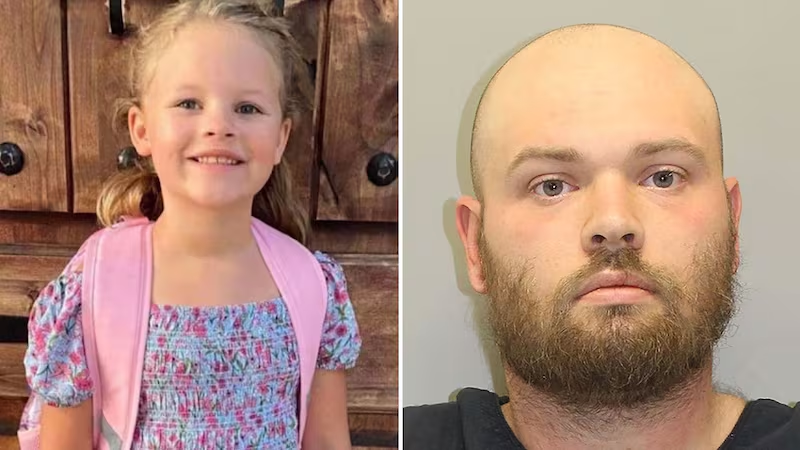
Yet beyond the emotion of her testimony remained the gravity of why everyone was there: the death of 7-year-old Athena Strand. Her name has become central to a tragedy that devastated a family and shocked a community. Every tear shed in court exists beside the immeasurable loss suffered by those who loved her. That contrast was present in every second of the proceedings.
What made the day especially striking was how it challenged the courtroom’s usual emotional boundaries. Legal spaces are built for facts, but facts alone rarely explain people. They establish what happened. They do not always explain how lives unravel, or how warning signs are missed, or how damage can pass silently from one generation to another until it surfaces in terrible ways.
Observers described the room as tense and deeply reflective. There was no spectacle in the mother’s words—only sorrow. No polished defense strategy can imitate the sound of genuine regret. Whether jurors were persuaded by the testimony in any legal sense remains their duty to decide. But emotionally, the impact was undeniable.
Cases like this often leave the public searching for one clear answer: Why? The painful reality is that some questions refuse to resolve neatly. Childhood trauma does not guarantee violence. Love does not always heal damage. Accountability does not erase tragedy. And justice, while necessary, rarely restores what was lost.
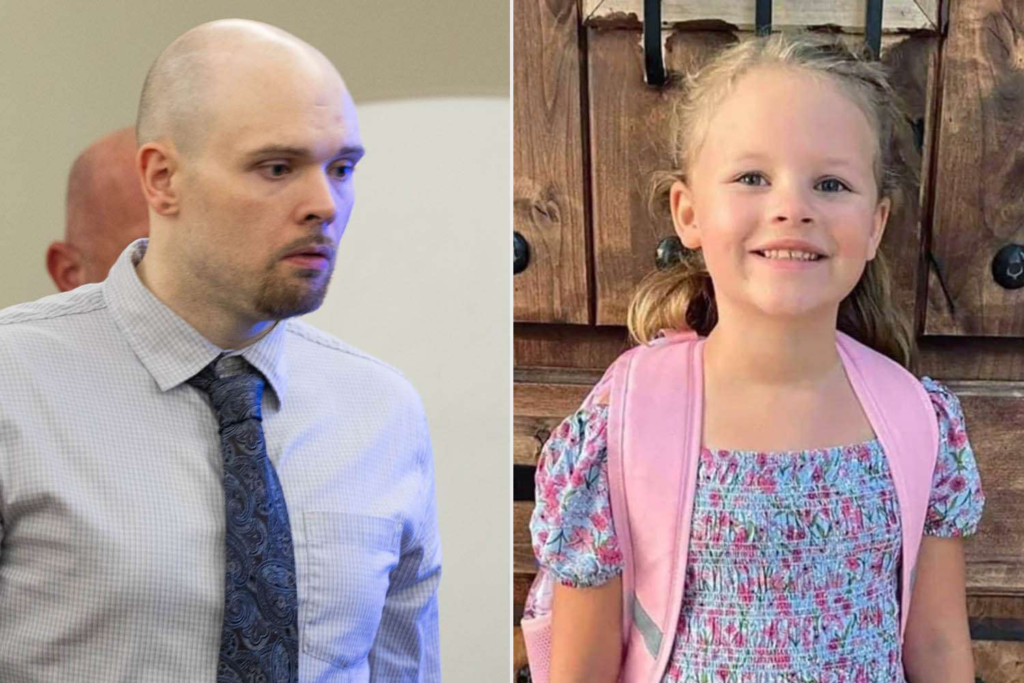
By the time the witness stepped down, the room seemed changed. People had not simply heard testimony—they had witnessed the wreckage of multiple lives intersecting in one unbearable place. A child gone too soon. A family grieving beyond measure. A mother confronting the ruins of what became of her son. Jurors tasked with carrying all of it into deliberation.
When the session ended, the silence lingered longer than usual. It was the kind of silence left behind when no one feels certain they have just seen justice, only sorrow in different forms. And perhaps that was the most haunting part of all: not the photographs, not the tears, not even the words—but the realization that some tragedies begin long before the world notices them.