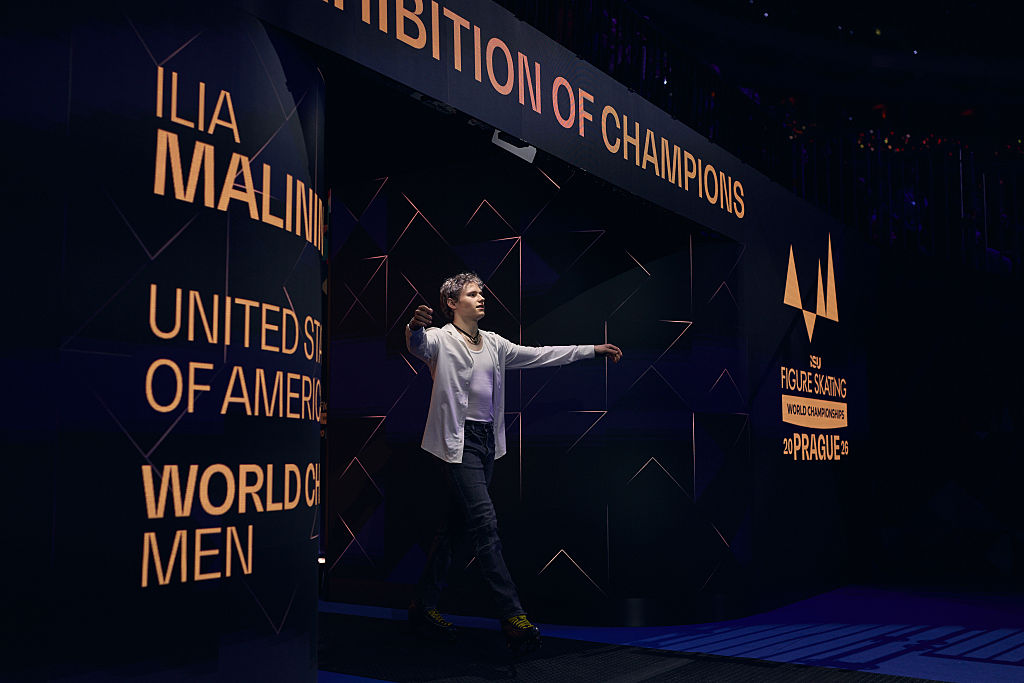
There is something irresistible about trying to define greatness in real time. The world loves conclusions. We want rankings, labels, verdicts, and neat summaries. We want to know who belongs among legends before the story is over. Yet true greatness rarely arrives fully formed. It moves, adapts, deepens, and sometimes surprises even those witnessing it. That is why the question matters so much: can you truly define greatness while it is still evolving?
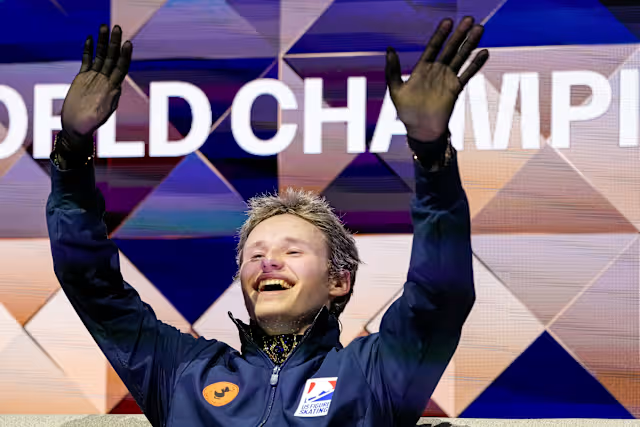
History feels easier to judge because it is complete. Retired careers can be measured by trophies, records, influence, and endings. We study the whole painting once the final brushstroke is dry. But active greatness is different. It is unfinished art. We are asked to evaluate a masterpiece while the artist is still working, still changing colors, still deciding where the next line belongs.
That creates tension between achievement and possibility. What someone has already done may be extraordinary, but what they may still become can alter everything. A single season can transform legacy. One reinvention can elevate reputation. One courageous comeback can reshape how an era is remembered. Greatness in motion is difficult to define because it refuses to stay still long enough for judgment.
Fans often mistake current dominance for final identity. They see an athlete winning now and assume the story has reached its highest point. But greatness is not only about peaks. It is about endurance, adaptation, resilience, and the ability to remain relevant when circumstances change. Some stars shine brightly and fade quickly. Others burn longer, brighter, and wiser over time. The difference often appears only later.
There is also the emotional side of evolving legacy. Audiences form relationships with public figures through phases. We meet them as prodigies, challengers, champions, survivors, veterans, icons. Each chapter changes the meaning of the one before it. Early success may look impressive, but late growth can make it profound. A person once praised for talent may later be revered for character.
That is why premature definitions can feel hollow. To call someone “the greatest” too early may ignore future struggles that reveal depth. To dismiss someone too soon may overlook the transformation that creates legend. Time exposes qualities raw talent cannot. Pressure reveals temperament. Setbacks reveal courage. Longevity reveals discipline. These are the materials greatness is truly made from.

Consider how often legacies are rewritten. Athletes doubted in youth become symbols of perseverance. Artists criticized early become cultural pillars years later. Leaders once celebrated may be viewed more critically with distance. Greatness is not a fixed headline—it is a living argument between present performance and future perspective.
There is beauty in allowing that uncertainty. It means we are witnessing something alive rather than archived. We get to watch decisions matter. We see risks taken before outcomes are known. We experience tension that documentaries later cannot replicate. In hindsight, legends look inevitable. In the moment, they are vulnerable, unfinished, and human.
For the individuals carrying evolving legacies, this can be both privilege and burden. Every performance becomes evidence. Every stumble becomes public debate. Every comeback invites comparison to earlier versions of themselves. They are expected to honor what they were while proving what they can still become. Few pressures are heavier than being measured against your own growing myth.
Yet some thrive there. They understand that greatness is not protected by standing still. It is expanded through movement. They reinvent style, refine craft, learn from failure, and return sharper. Instead of defending an old image, they build a new one. That willingness to evolve may be the clearest sign of greatness itself.
The public often asks, “Where does this person rank?” A more meaningful question might be, “What are they still becoming?” Rankings freeze people into numbers. Becoming recognizes motion. It leaves room for wisdom gained later, for chapters not yet written, for moments that may redefine everything we thought we knew.
Even endings do not always settle the matter. Sometimes a career closes and debate only intensifies. New generations reinterpret impact. Statistics are reconsidered in context. Influence expands after retirement. In that sense, greatness may continue evolving long after competition ends. Legacy is shaped not only by performance, but by memory.
So can greatness be defined while it is still evolving? Only partially. We can recognize brilliance. We can honor dominance. We can appreciate excellence in the present. But full definition demands patience, because greatness is larger than moments and slower than headlines.
Some stories need time to reveal their meaning.
Some careers need distance to reveal their scale.
And some of the greatest among us can only be understood once we stop trying to finish them before they are done.