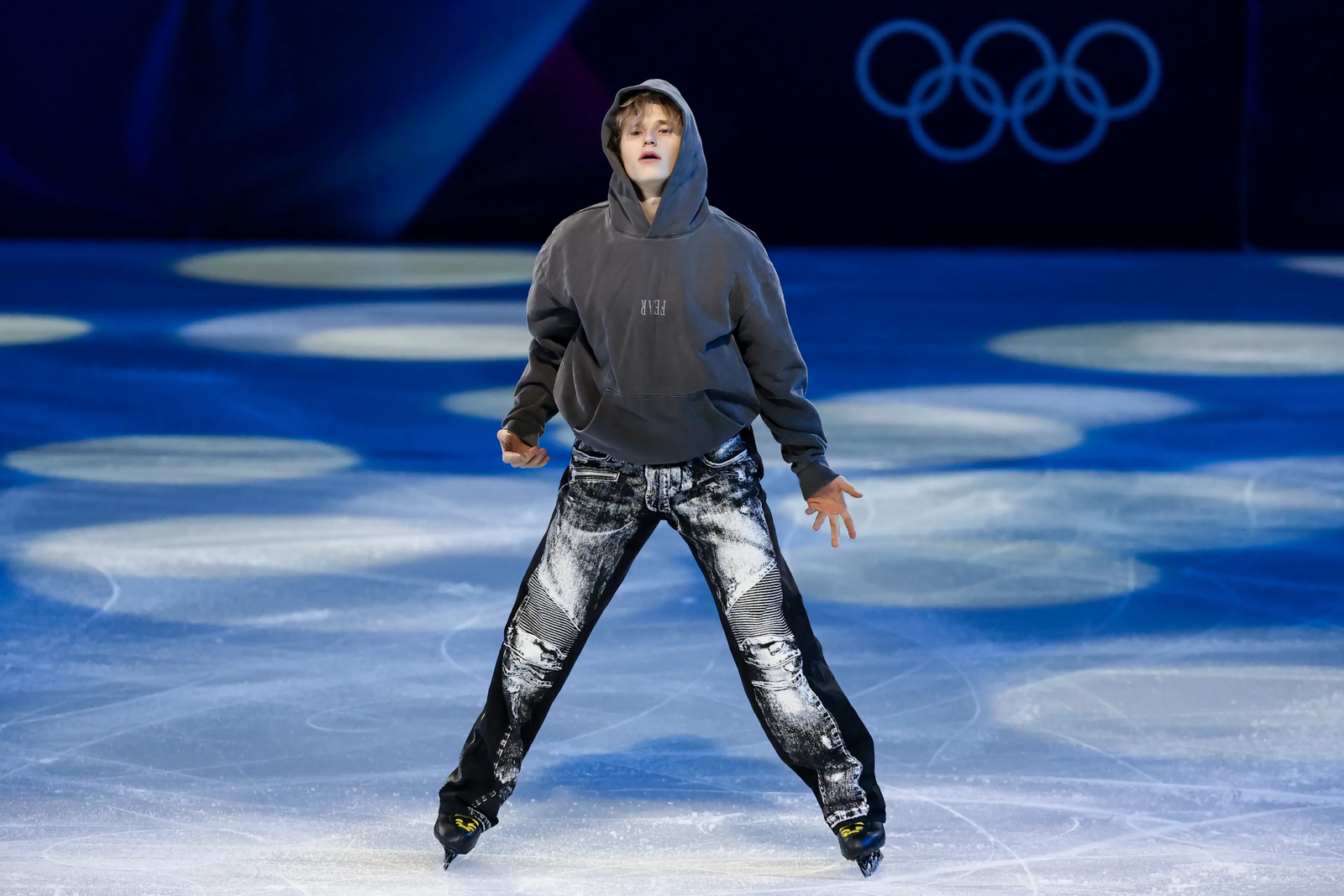
Every generation of sport eventually encounters a figure who bends the normal rules of suspense. The scoreboard still exists. Rivals still arrive prepared. The anthem still plays, the lights still shine, and the competition officially begins. Yet something feels different before the first move is made. The atmosphere shifts from uncertainty to anticipation. People are no longer asking who might win. They are asking whether anyone can interrupt what already feels inevitable.
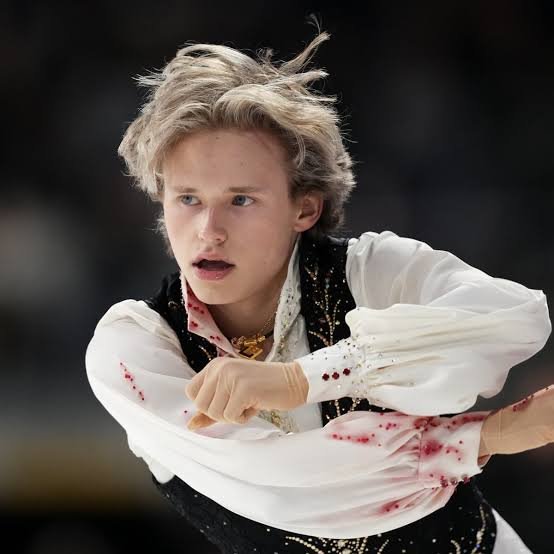
That is when a champion stops being merely successful and starts defining an era.
Competition is built on possibility. It thrives because outcomes are unknown. Fans tune in for tension, for vulnerability, for the thrill that anything can happen. But when one athlete rises so far above the field that unpredictability begins to fade, the entire emotional structure changes. The contest remains real, yet it starts to feel like something else entirely—a stage built around one dominant force.
This does not happen often. Many athletes win titles. Few create gravitational pull. A champion with one great season is memorable. A champion with repeated excellence becomes respected. But the rarest kind keeps winning while improving, keeps raising standards while others struggle to keep pace, keeps making the extraordinary seem routine. That is when rivals are no longer chasing a trophy alone. They are chasing history in motion.
You can see it in the reactions of opponents. Before competition, they speak with confidence because elite athletes must believe in themselves. During competition, body language tells a more honest story. When the dominant figure performs cleanly, tension spreads across the field. Small errors suddenly feel fatal. Safe strategies become desperate ones. The pressure of competing against greatness often defeats rivals before scores ever do.
There is a psychological weight to a one-man era that statistics cannot fully capture. Every entrant knows they are not just facing a person. They are facing momentum, reputation, aura, and the burden of needing perfection merely to stay close. That changes decision-making. It alters rhythm. It narrows margins. Others must produce career-best performances simply to make the contest interesting.
And yet, dominance should not be mistaken for the absence of competition. In truth, it often reveals the highest form of it. Rivals are forced to grow faster, train harder, and think more creatively than they otherwise would. Entire fields become sharper because one standard refuses to lower itself. Great dynasties can frustrate audiences, but they also elevate everyone around them.
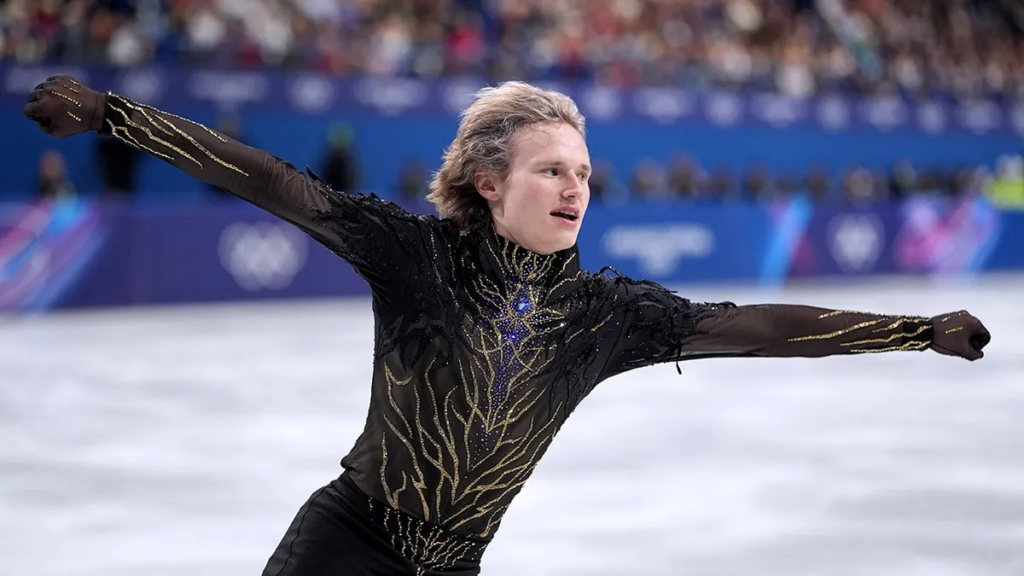
Still, there comes a point when language struggles to keep up. Calling it “competition” feels technically correct but emotionally incomplete. If the same athlete keeps controlling moments, rewriting records, and absorbing pressure without visible decline, the conversation naturally changes. We stop asking who leads the season. We start asking what this period will be called when history looks back.
That is the birth of an era.
Eras are not named by self-promotion. They are named by repetition. They emerge when excellence becomes so sustained that time itself starts organizing around one person. Seasons become chapters of their dominance. Rivals become measuring sticks of how difficult it was to challenge them. Young prospects are introduced as potential successors long before they are ready, simply because audiences are eager to imagine life after the reign.
There is something both thrilling and unfair about witnessing this in real time. Thrilling because greatness at this level is rare. Unfair because it can make brilliant competitors appear ordinary. In another timeline, many second-place finishers would be champions. In this one, they happened to arrive during the rule of someone exceptional.
That reality often reshapes legacy across an entire generation. Athletes once judged harshly for not winning enough are later understood more kindly when people remember whom they had to face. Finishing close to a once-in-a-generation champion can age better than easy victories in weaker eras. Context is history’s most underrated statistic.
Of course, no reign lasts forever. Time eventually humbles every body, every reflex, every dynasty. The question is never whether change comes, but when. Yet while the window remains open, spectators owe themselves honesty. Sometimes we cling to the language of parity because it feels fairer. But fairness has never been sport’s promise. Reality has.
And reality, at certain moments, belongs almost entirely to one person.
So is this still competition? Yes—because others still strive, still suffer, still push limits in pursuit of the impossible.
But is it also a one-man era?
When one athlete turns suspense into expectation, excellence into routine, and seasons into personal territory, the answer becomes difficult to deny.
Some champions win events.
Some champions win years.
And once in a very long while, someone wins an age.