
Greatness does not only affect the person achieving it. It changes everyone standing nearby. When one skater begins doing what once seemed unreachable, the impact spreads silently across the entire field. Coaches adjust plans. Rivals recalculate goals. Young athletes rethink what is possible. Audiences celebrate the brilliance, but beneath the applause another story unfolds—the quiet pressure placed on every skater watching him rewrite the ceiling.
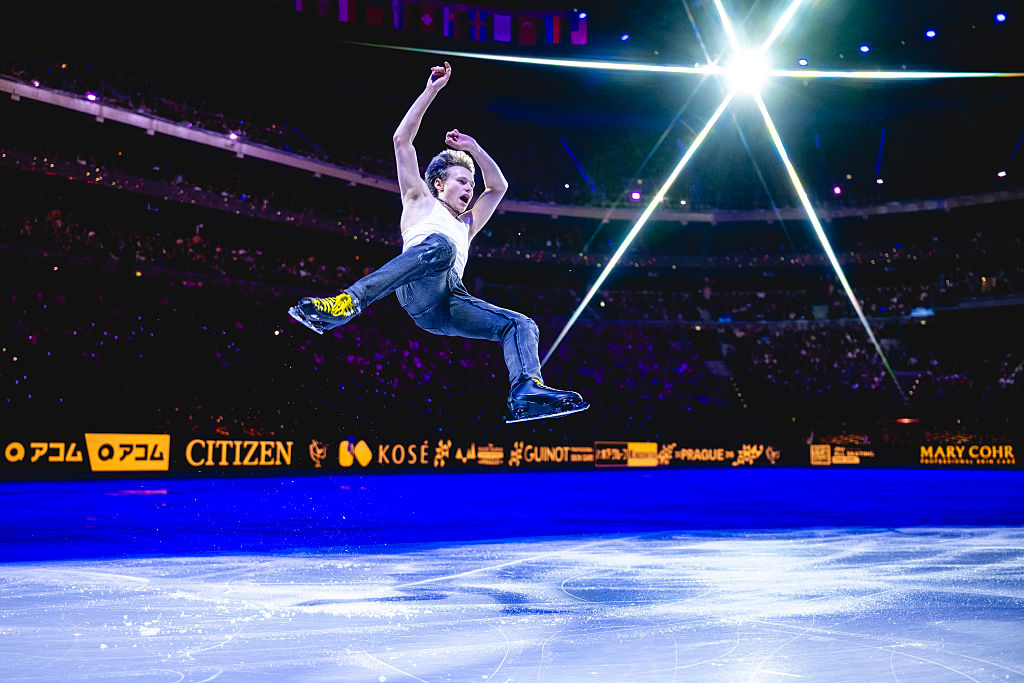
Sport has invisible ceilings long before they are broken. They are built from assumptions, habits, and accepted limits. People believe certain scores are rare, certain technical combinations too risky, certain levels of consistency unrealistic. These ceilings are not official rules, yet they shape how athletes train and dream. Then someone arrives and treats those limits like suggestions.
That is when pressure changes form.
Normally, competitors feel pressure to beat opponents. But when one athlete raises the standard dramatically, others begin feeling pressure to transform themselves. Winning is no longer enough. Past routines are no longer enough. Skills that once guaranteed podiums suddenly feel outdated. The contest moves from performance day to daily preparation.
This kind of pressure is quiet because it rarely appears in headlines. Cameras capture medals, not midnight training sessions. Interviews discuss scores, not private doubt. Yet somewhere across rinks around the world, skaters are watching clips, studying edges, counting rotations, and realizing the future has arrived faster than expected. That realization can inspire—but it can also unsettle.
Imagine spending years mastering a level that once represented excellence, only to discover excellence has moved again. What was elite yesterday may be baseline tomorrow. What once made you dangerous may now make you vulnerable. This is the hidden emotional cost of innovation: it forces everyone else to decide whether to evolve or slowly become a memory.
Some athletes rise beautifully under that pressure. They see the new ceiling being shattered and feel liberated. If one person can do it, perhaps others can too. They train harder, think bigger, attempt skills once dismissed as fantasy. History often remembers the pioneer, but progress usually includes those who answered the challenge afterward.

Others experience the darker side. Comparison can become exhausting. When another skater appears to leap ahead of the era itself, normal growth may start to feel insignificant. Personal bests can seem smaller. Incremental progress can feel invisible. Confidence becomes harder to protect when someone else keeps redefining what counts as extraordinary.
This is why dominant innovators alter more than score sheets. They change psychology. Rivals stop competing only against themselves or each other. They compete against a moving benchmark set by one person in real time. That benchmark does not rest. It updates every season, sometimes every event. Keeping pace becomes as much mental labor as physical effort.
Coaches feel it too. Entire training philosophies may need revision. Risk calculations shift. Program construction changes. Young skaters are developed differently because one athlete proved new pathways were viable. Even those who never face him directly may still live inside the world his performances created.
There is also a generational effect. Younger skaters entering the sport may consider his level normal because it existed before they arrived. They do not remember the earlier ceiling, only the broken one. What stunned older audiences becomes standard expectation for newcomers. That is how revolutions become routine.
And yet, pressure is not purely negative. Sometimes it is the force that pulls hidden greatness out of others. Many careers become stronger because someone impossible appeared. Without that challenge, comfort might have lasted longer. Without that example, ambition might have remained smaller. The athlete rewriting limits often creates future rivals worthy of the limits he set.
Still, we should acknowledge the loneliness of those chasing from behind. Fans often celebrate dominance without noticing what it asks of everyone else. To remain competitive in such an era requires courage: courage to fail publicly while attempting harder things, courage to rebuild technique, courage to believe progress matters even when first place feels distant.
That is the quiet pressure.
It is the skater landing a new jump and wondering if it is enough.
It is the veteran adjusting style to survive a changing sport.
It is the teenager realizing their dream now demands more than it did a year ago.
It is the entire field hearing standards rise before dawn.
When one athlete rewrites the ceiling, others do not merely watch history happen.
They feel it pressing down on them until they rise too.