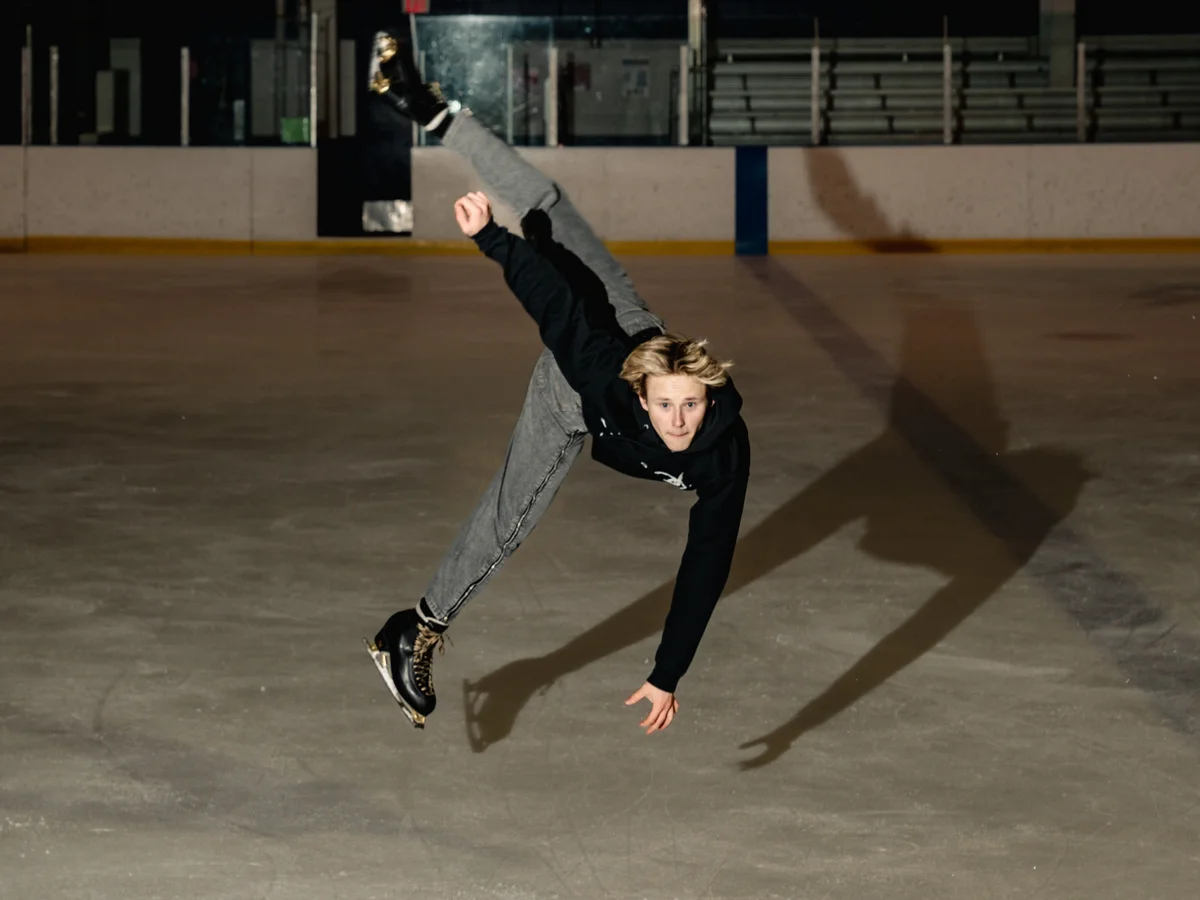
Figure skating has always lived in a beautiful contradiction. It is a sport judged by numbers, yet remembered through feeling. Scores decide champions, but emotion decides legends. A clean landing matters. So does the silence before the music swells, the edge that cuts like poetry, the movement that turns athleticism into art. That balance is what made skating unique. Which is why one question now feels so dangerous: what if jumps win everything?
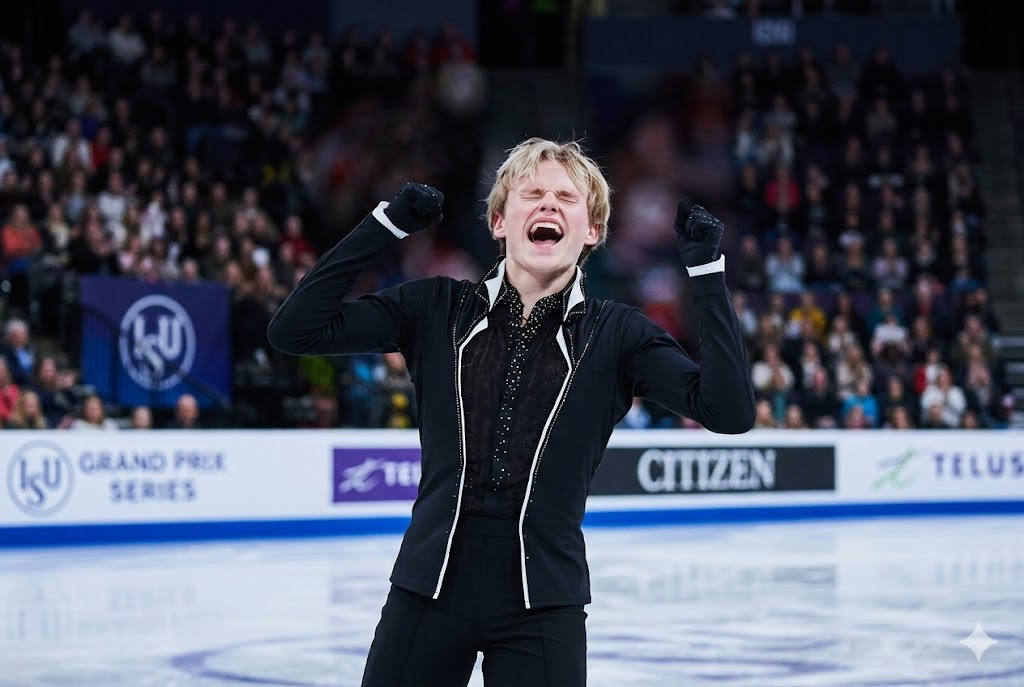
At first glance, the question seems simple. Jumps are difficult, measurable, risky, and thrilling. They demand strength, timing, courage, and years of repetition. Spectators gasp at rotation counts and frozen landings for good reason. In a competitive system, rewarding difficulty makes sense. Sport should honor what is hard.
But skating has never been only about what is hard.
It has also been about what is rare. Musical intelligence is rare. Blade quality is rare. The ability to hold an audience without frantic movement is rare. Timing a gesture to a crescendo so perfectly that thousands feel it at once is rare. Translating emotion through posture, line, and control is rare. These gifts are harder to quantify, which often makes them easier to undervalue.
When jumps dominate scoring too heavily, something subtle begins to happen. Programs are no longer built first around meaning or composition. They are built around point opportunities. Music becomes scaffolding. Choreography becomes transition material between technical attempts. The performance risks turning into a delivery system for elements rather than an artwork that happens to include them.
That shift affects more than aesthetics. It changes athlete development. Young skaters and coaches are rational people; they train for what is rewarded. If jumps create overwhelming separation, then practice time flows toward jumps. Resources flow toward jumps. Bodies are shaped around jumps. The message becomes clear: expression is optional, rotation is essential.
Once that message settles into a generation, reversing it becomes difficult.
We have seen versions of this tension before. Every judged sport wrestles with the pull between measurable difficulty and subjective mastery. Gymnastics debates artistry. Diving debates form versus innovation. Snowboarding debates style versus amplitude. But figure skating feels uniquely vulnerable because artistry is not an accessory to its identity—it is its soul.
Imagine a future where two performances receive radically different crowd reactions. One skater stumbles emotionally but lands superior jump content. Another captivates the arena, interprets music brilliantly, and leaves viewers breathless while carrying less technical base value. If the scoreboard consistently favors only one kind of excellence, audiences begin learning what the sport truly values.
And audiences respond accordingly.
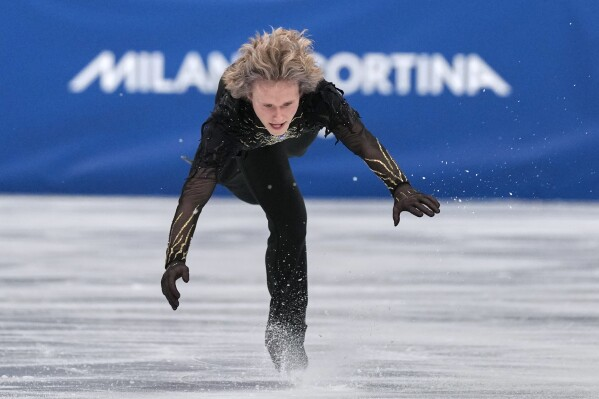
Fans may still appreciate artistry, but younger viewers follow incentives. Broadcasters focus on point swings. Commentators center rotation math. Viral clips prioritize technical milestones. Over time, the language of skating narrows. Instead of asking who moved us, we ask who maximized. Instead of discussing interpretation, we debate under-rotation calls. Precision matters—but if precision becomes the whole conversation, something precious shrinks.
There is another danger rarely acknowledged: sameness. When point optimization governs design, programs can start resembling one another. Similar layouts. Similar pacing. Similar strategic choices. Risk becomes numerical rather than creative. The sport gains efficiency while losing surprise. Fans may witness higher totals but fewer unforgettable moments.
To be clear, jumps deserve enormous respect. They are among the most difficult skills in sport. No honest observer should diminish that. The issue is not whether jumps matter. Of course they matter. The issue is whether they should matter so much that everything else becomes decorative.
Because if that happens, skating does not become more complete.
It becomes smaller.
The greatest champions in history were rarely one-dimensional. They blended technical authority with identity. They could land pressure elements and still command silence with a step sequence. They could win scores and memory at the same time. Their programs lived beyond the event because viewers remembered not just what they did, but how it felt.
That should remain the standard worth protecting.
Judging systems can evolve intelligently. Difficulty can be rewarded without becoming tyrannical. Components can be sharpened and applied consistently. Choreography can be incentivized meaningfully. Transitions, skating skills, interpretation, and performance quality can hold real value rather than symbolic value. Balance is difficult, but imbalance carries a cost.
And the cost is cultural.
If jumps win everything, certain athletes will still be magnificent. Records will still fall. Headlines will still celebrate progress. Yet the art form beneath the sport may begin to fade in plain sight. New fans may never know what was lost because they inherited only what remained.
That is why this question matters now, not later.
Because once generations are trained to believe numbers are the only truth, beauty becomes harder to defend.
And figure skating, more than almost any sport, was never meant to choose between winning and wonder.