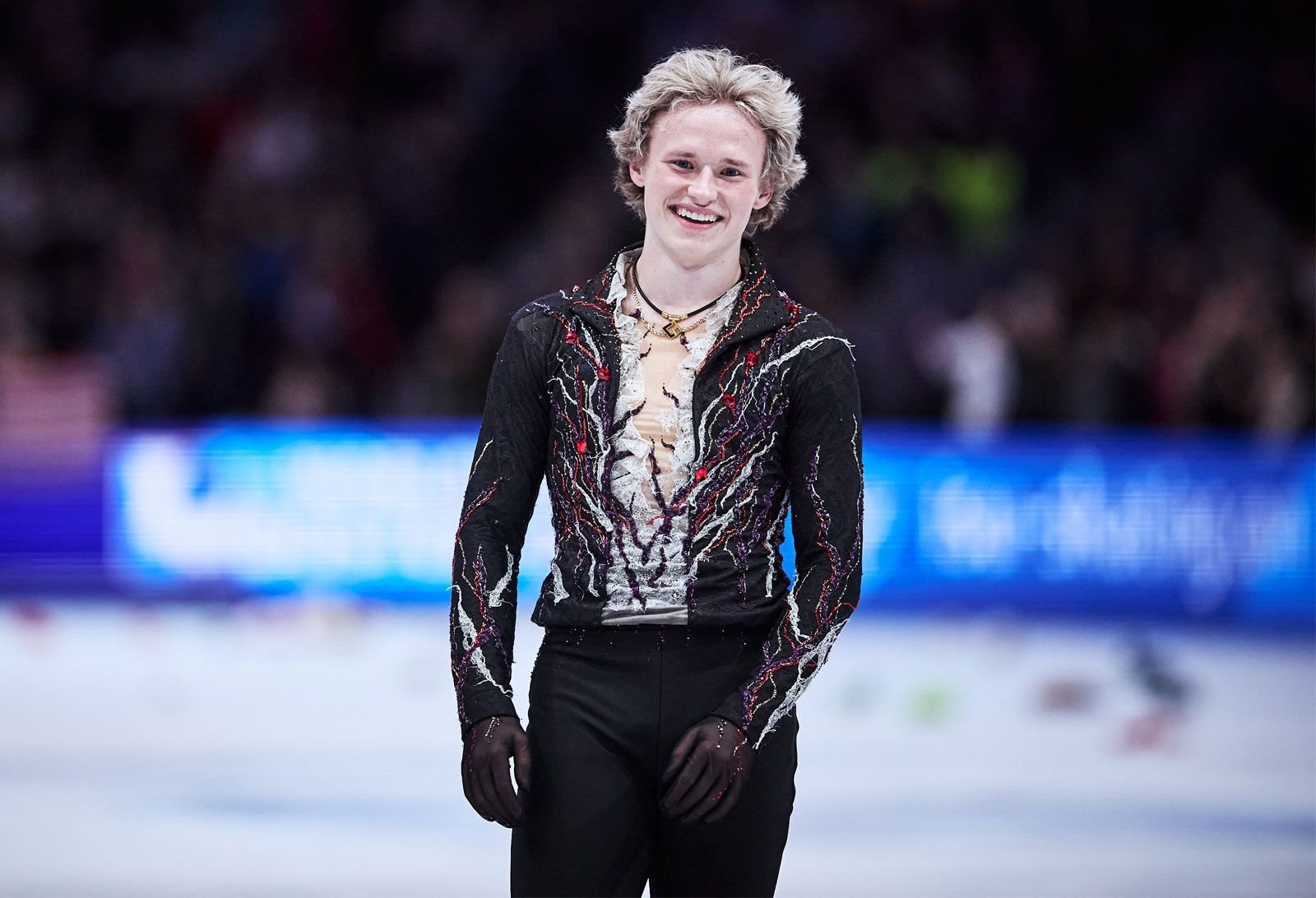
There was a time when figure skating could silence an arena without a single leap. A glide across the ice, a held edge, the rise of music meeting movement — these moments created magic before the first jump was ever attempted. The sport was once judged not only by what athletes did in the air, but by what they made people feel on the ground.
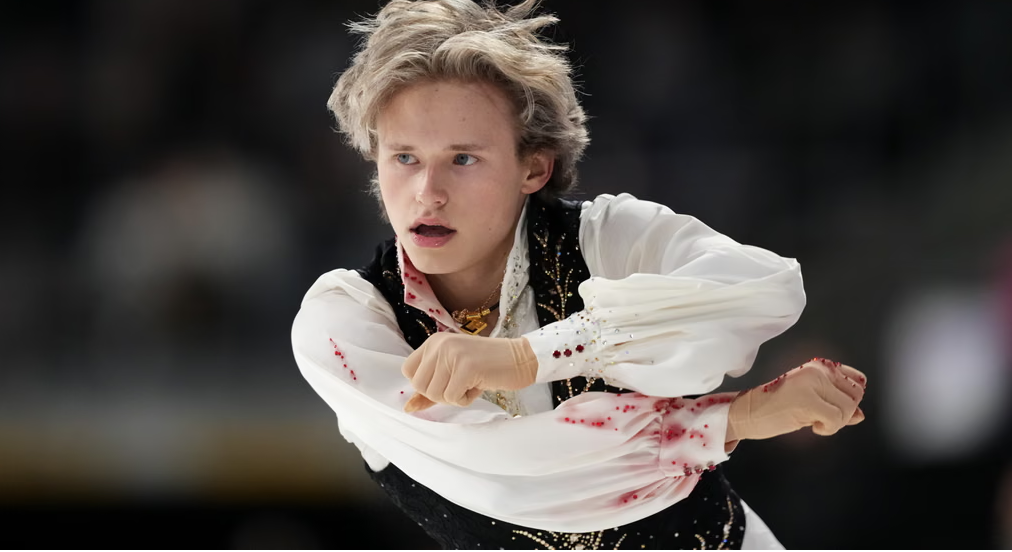
Now, a question hangs over modern skating like a storm cloud no one wants to fully name: what if jumps win everything?
It is not a dramatic question. It is a serious one. Because in today’s competitive climate, technical difficulty often dominates the conversation. Rotations, base values, combinations, and quad counts have become the language of victory. Fans debate numbers before they discuss emotion. Broadcasters break down takeoffs more than interpretation. Programs are increasingly remembered for jump layouts rather than the stories they told.
This is not an argument against jumps. They are astonishing. They demand courage, timing, strength, and years of punishing repetition. When landed cleanly, they create the kind of electricity that can shake a building. A perfectly executed quad is one of the most thrilling achievements in sport. It deserves admiration. It deserves reward.
But when reward becomes obsession, balance begins to disappear.
Figure skating has always been unique because it lives in two worlds at once. It is athletic combat disguised as art. It is mathematics performed through music. It asks competitors to be both machine and poet, both technician and storyteller. Remove one side of that identity, and the sport becomes smaller than it was meant to be.
If jumps become everything, what happens to the skater who paints a masterpiece with edges but lacks one extra rotation? What happens to the performer who can move thousands of people to tears, yet loses decisively to a technically packed routine that leaves no emotional trace? What happens to the child watching from the stands who loves the beauty of skating more than the violence of risk?
Those questions matter because sports do not only crown winners — they shape future generations. Young skaters study what succeeds. Coaches build training plans around what gets points. Federations fund what climbs podiums. If jumps become the only reliable currency, then artistry slowly becomes a luxury item. It will still exist, but only in the margins.
And the warning signs are already visible.
Some programs now feel built backward: first the jump map, then everything else squeezed in around it. Choreography becomes traffic management. Musical phrasing bends to recovery time. Transitional skating is reduced to setup space. The performance can feel less like a complete work and more like a technical checklist wrapped in costume fabric.
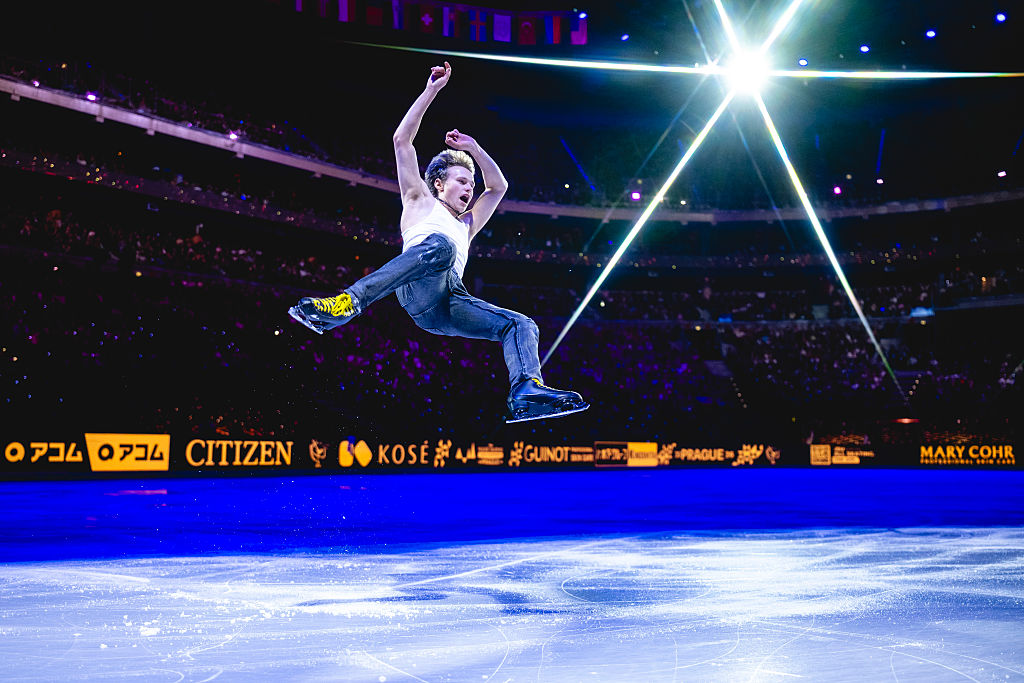
That may produce champions. But does it always produce unforgettable skating?
History suggests otherwise. Many of the most beloved names in the sport are remembered not merely for titles, but for moments. A program that captured heartbreak. A free skate that felt transcendent. A performance so complete it seemed impossible to score because it belonged to something beyond numbers. Those memories endure because they reached deeper than the rulebook.
Even modern audiences, despite their appetite for technical spectacle, still respond to emotional truth. Listen to the crowd when a skater connects fully with music. Watch how silence falls before applause erupts. Notice how people replay programs that touched them, not just protocols that impressed them. The human heart still knows the difference.
The danger, then, is not that jumps are rewarded. The danger is that everything else becomes decorative.
If skating reaches that point, it risks losing the very mystery that separates it from gymnastics, diving, or track-and-field style metrics. Those sports are brilliant in their own right. But figure skating’s rare power has always been its ability to make precision feel like poetry. Once poetry becomes secondary, something irreplaceable is gone.
So what is the answer?
Not less athletic ambition. Not nostalgia disguised as policy. Not punishing innovation because progress can be uncomfortable. The answer is courage from judges, federations, and the sport itself to protect complexity in its fullest sense. Reward jumps, yes — but reward transitions that breathe life into them. Reward skating skills that make the ice look limitless. Reward interpretation that turns notes into motion. Reward programs people remember after the score is forgotten.
The greatest skaters should still need to do more than survive a jump layout. They should need to command the entire language of the sport.
This debate is not about old versus new. It is about complete versus incomplete. A future where technical brilliance and artistry coexist would create the strongest era skating has ever seen. A future where one devours the other would be a quieter tragedy — because medals would still be handed out, records would still fall, and yet something precious would slowly vanish in plain sight.
So yes, this may be the most dangerous question in skating.
What if jumps win everything?
Because if they do, skating may still have champions. But it may no longer have magic.