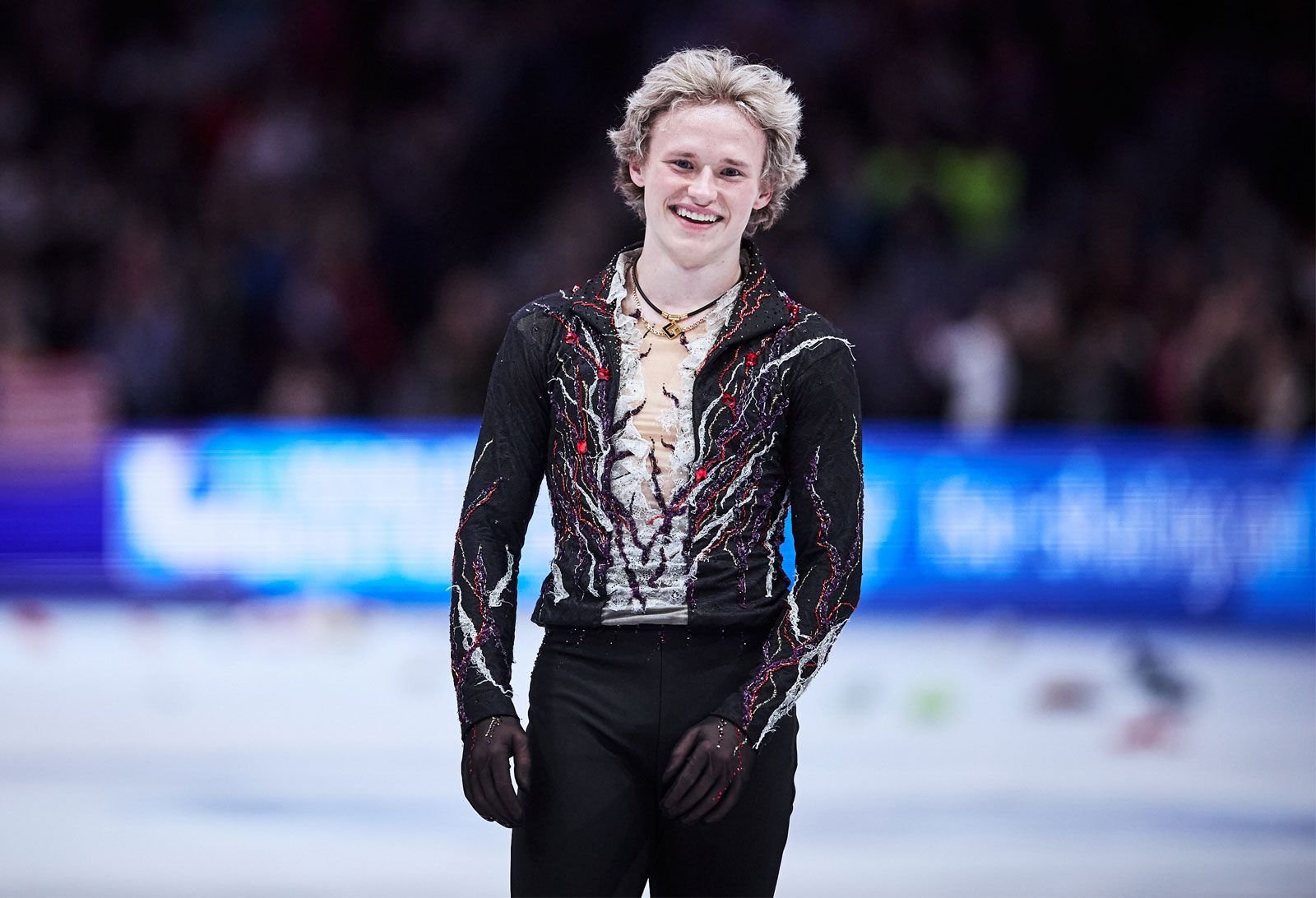
History has a habit of embarrassing certainty. The people once dismissed as strange, excessive, difficult, or wrong often become the very names later generations celebrate. What one era rejects, another frames, studies, and protects. That is why the most interesting question around any boundary-pushing performer is rarely whether they are good or bad. The real question is simpler and more dangerous: are we witnessing failure, or are we witnessing the future too early?

Every age builds invisible rules around beauty. We pretend those rules are objective, but they are mostly habits wearing formal clothes. We learn what a great singer should sound like, how a dancer should move, what an actor should feel like, what a skater should look like, what a painting should mean. Then someone arrives who does not violate talent — only expectation. That distinction matters more than most audiences realize.
When people say someone is misunderstood, they often mean the crowd lacks patience. But misunderstanding can be more complex than impatience. Sometimes the artist communicates in a language that has not yet become common. Their timing is off not because they are wrong, but because culture has not caught up to the grammar of what they are saying. They stand in the present holding tools built for tomorrow.
This is why innovation so often feels offensive at first. It disrupts comfort. It denies the pleasure of instant recognition. People like to know how to admire something quickly. They want categories that save time. Masterpiece. Overrated. Genius. Fraud. But original work resists shortcuts. It asks the audience to participate, to stretch, to reconsider instincts they trusted. Many would rather reject than relearn.
The misunderstood figure also suffers from comparison. Audiences measure the new against the old because the old feels safe. They ask why he does not resemble those already approved. Why his movement lacks familiar softness. Why his expression avoids accepted sentiment. Why his choices seem sharp where tradition prefers smoothness. But comparison can become a prison. It judges seeds by the standards of trees.
There is another possibility, of course: not every unpopular thing is visionary. Some work is simply weak, unfinished, or self-important. That truth matters because romanticizing rejection is easy. Being criticized does not automatically make someone profound. Yet the existence of false prophets should not blind us to real pioneers. The challenge is discernment — learning to tell the difference between emptiness and early brilliance.
Often, the clue lies in effect. Does the work provoke only confusion, or does it create fascination alongside discomfort? Do people return to argue about it, replay it, imitate it, defend it years later? Truly forward art rarely disappears quietly. It irritates, attracts, divides, and lingers. Even its critics help preserve it by refusing to stop discussing it.

Think of performers who changed the accepted shape of excellence in sport and entertainment. They were once accused of ruining standards, disrespecting tradition, or replacing elegance with excess. Later, those same traits became templates others copied. What was once condemned as too fast, too loud, too technical, too emotional, too strange became normal. The boundary-breaker pays the social price so the next generation can cross comfortably.
This tension becomes even sharper in performance spaces like figure skating, dance, music, or cinema, where technical skill and artistic interpretation collide. Audiences often reward what they can immediately decode. A clean line, a familiar melody, a graceful phrase. But some performers offer a different beauty: force instead of softness, disruption instead of serenity, precision wrapped in danger rather than calm. At first, many mistake unfamiliar beauty for absence of beauty.
To be ahead of recognition is a lonely place. The crowd may cheer the result while resisting the meaning. Critics may praise the numbers while doubting the style. Peers may admire privately but hesitate publicly. Meanwhile, the artist continues working under the burden of proving something others will only understand later. There are few rewards more frustrating than delayed agreement.
And yet, time is strangely fair. It strips away the noise surrounding reception and asks cleaner questions. Did the work open doors? Did others borrow from it? Did language change because of it? Did standards move? Did audiences eventually learn to see what once seemed invisible? If the answer is yes, then misunderstanding was only a temporary weather pattern.
So is he misunderstood — or simply ahead of what we recognize as art? Perhaps those conditions are often the same thing. To be early is to be misread. To be original is to be inconvenient. To challenge taste is to endure its resistance before enjoying its gratitude.
The next time a performer feels divisive, awkward, excessive, or impossible to classify, caution is wise before dismissal. Our instincts are trained by the past, not the future. We call something strange when we have not yet learned its name. And many of the things humanity now treasures first arrived wearing the mask of confusion.