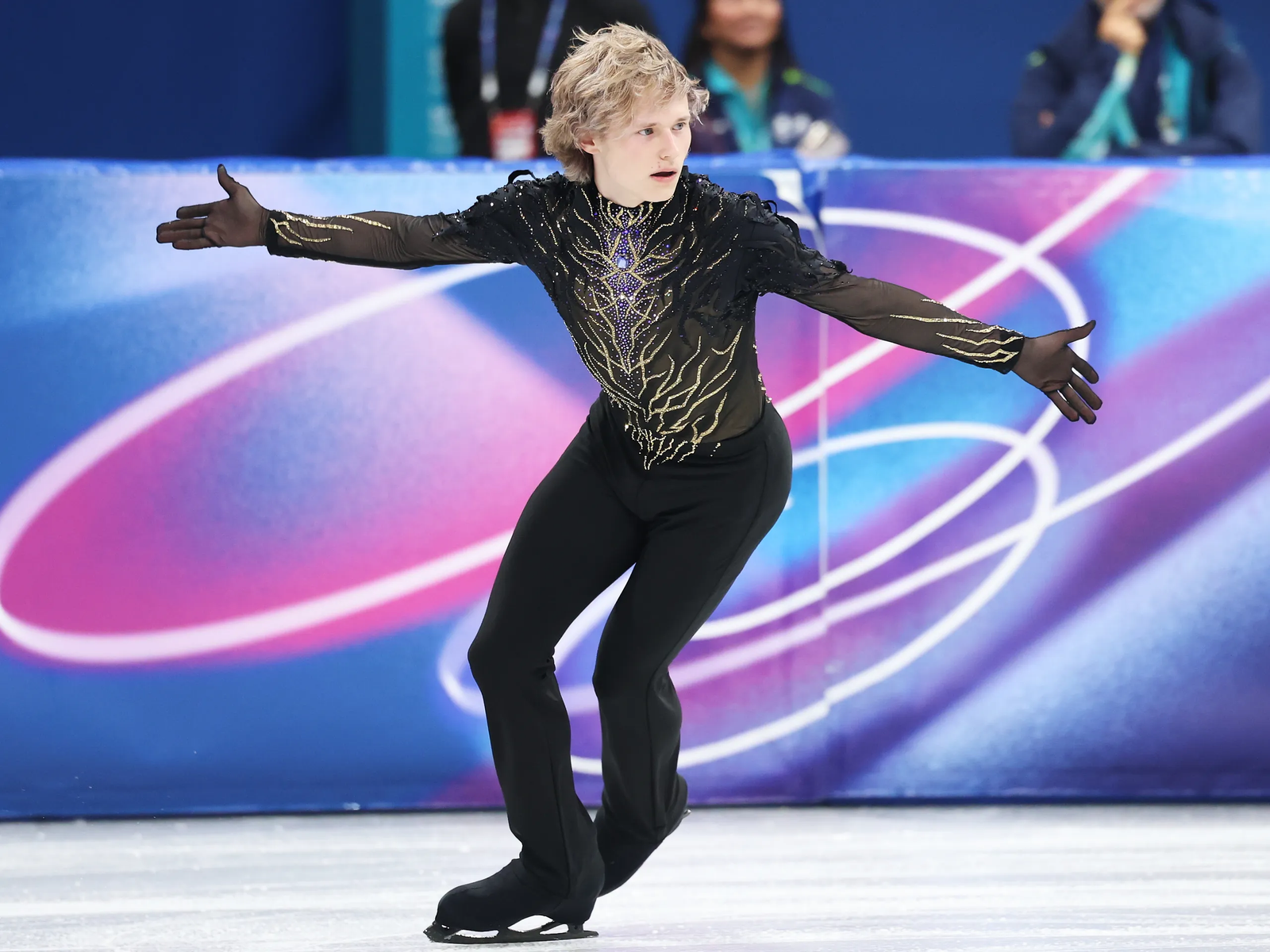
Every sport eventually meets a moment when its ceiling starts to look suspiciously low. For years, athletes compete beneath assumptions mistaken for facts: this is as fast as humans can run, as high as they can leap, as much as they can rotate, as far as imagination can travel while the body obeys. Then someone appears who treats those assumptions less like laws and more like outdated suggestions. In figure skating, whispers of such a moment are growing louder.
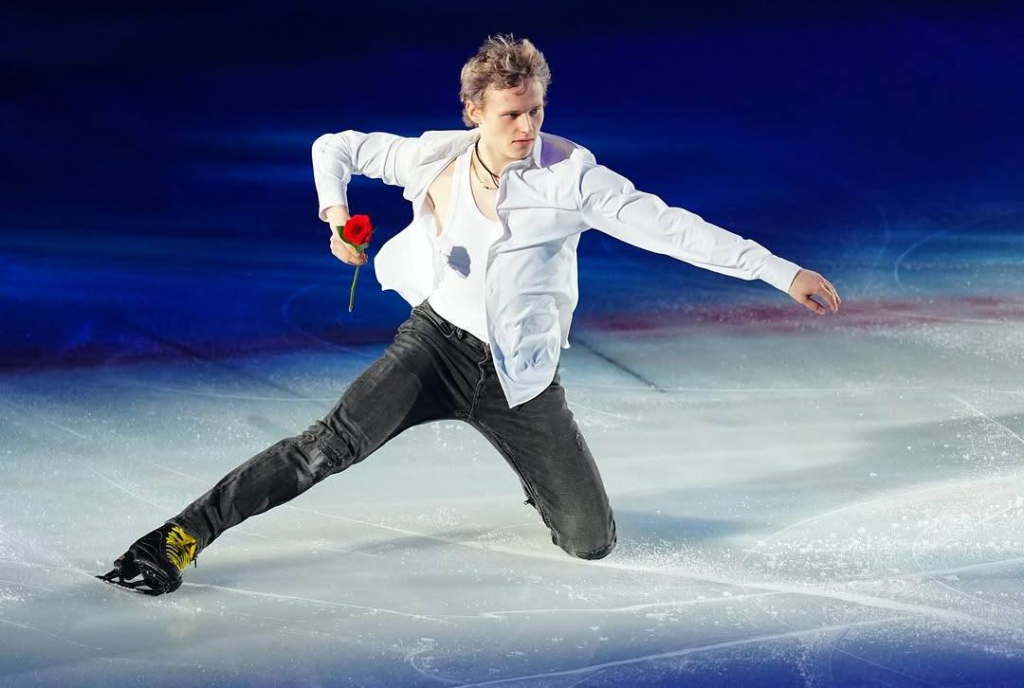
The sport has always loved milestones. The first difficult jump landed cleanly. The first combination once considered reckless. The first generation to make impossible things routine. Each breakthrough felt final until the next skater arrived. What once stunned arenas became warm-up material. Limits in skating have a curious habit of surviving only until somebody challenges them publicly.
Now the conversation is shifting again. It is no longer only about mastering what exists. It is about teasing what does not yet officially belong to the common vocabulary of competition. That distinction matters. Innovation at this level is not simply harder technique. It is the attempt to invent tomorrow in front of judges still living in today.
At the center of these conversations stands Ilia Malinin, a skater whose relationship with jump difficulty has already changed modern expectations. He did not just land elements people admired from a distance; he made them feel reachable within elite competition. Once that happens, the sport changes permanently. Rivals train differently. Coaches plan differently. Young skaters dream differently. The map is redrawn because one person refused to respect the old borders.
But what fascinates observers now is not merely what he has completed. It is what he hints at next. Training clips, body language, confidence, and the calm way he speaks about progression have created a sense that he may be probing territory beyond the jumps the public currently treats as the outer edge. In elite sport, suggestion can be as electrifying as accomplishment. Possibility itself becomes an event.
Why does this matter so much? Because figure skating jumps are not abstract tricks. They are brutal negotiations between physics and nerve. Height must meet timing. Rotation must meet control. Speed must meet balance. The body has fractions of seconds to organize chaos into elegance. Add one more revolution, one more demand, one more microscopic margin, and the task stops sounding athletic and starts sounding fictional.
Yet history shows that fiction has poor defensive instincts against obsession. There was a time when earlier jump revolutions were dismissed as fantasy. Then someone landed them. The impossible in sport is often just the difficult waiting for the correct athlete, the correct era, and the correct stubbornness to collide. Malinin’s significance lies partly in making people wonder whether we are standing near another one of those collisions.
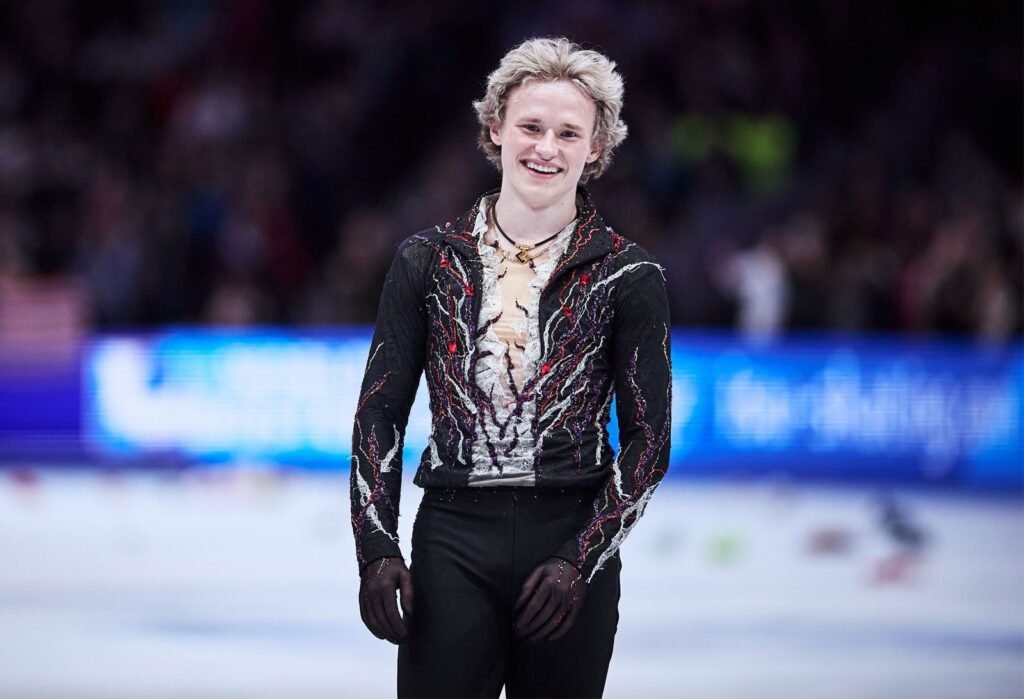
There is also an emotional dimension to technical progress that outsiders sometimes miss. Fans do not merely watch jumps for points. They watch for suspense. The takeoff is a question asked at full speed. The air is uncertainty. The landing is either triumph or heartbreak delivered instantly. When a skater attempts something beyond known limits, that drama intensifies. The audience is not just watching a program — it is watching the frontier behave unpredictably.
Of course, progress invites resistance. Some argue that chasing ever-harder jumps risks overshadowing artistry, skating skills, musical interpretation, and the softer human textures that made the sport beloved. It is a fair concern. Figure skating cannot become a spreadsheet on blades. But innovation and artistry are not natural enemies. Sometimes daring itself becomes expressive. Sometimes ambition is choreography. Sometimes the gasp from the crowd is part of the music.
What makes Malinin particularly compelling is that he represents more than an athlete chasing difficulty. He represents a mindset. He skates like someone uninterested in inheriting ceilings built by others. That mentality spreads quickly. Even if he never lands every rumored future element in competition, he has already achieved something larger: he has convinced the next generation to ask larger questions than the previous one did.
And that is how sports evolve. Not only through records, but through permission. One athlete attempts what seemed absurd, and suddenly hundreds of younger athletes grow up considering it normal. The revolution is rarely completed by one person. It is started by one person and finished by those who watched carefully enough.
So when people speak about the first skater teasing a move beyond known jump limits, they are really talking about more than rotations. They are talking about the first visible crack in certainty. They are talking about the moment fans realize the current vocabulary may be too small for what is coming next.
Maybe the jump lands soon. Maybe it takes years. Maybe someone else ultimately completes it first. That is secondary. The true milestone may already have happened: figure skating audiences have begun imagining a future larger than the present. And once imagination clears a barrier, the body usually follows sooner than expected.