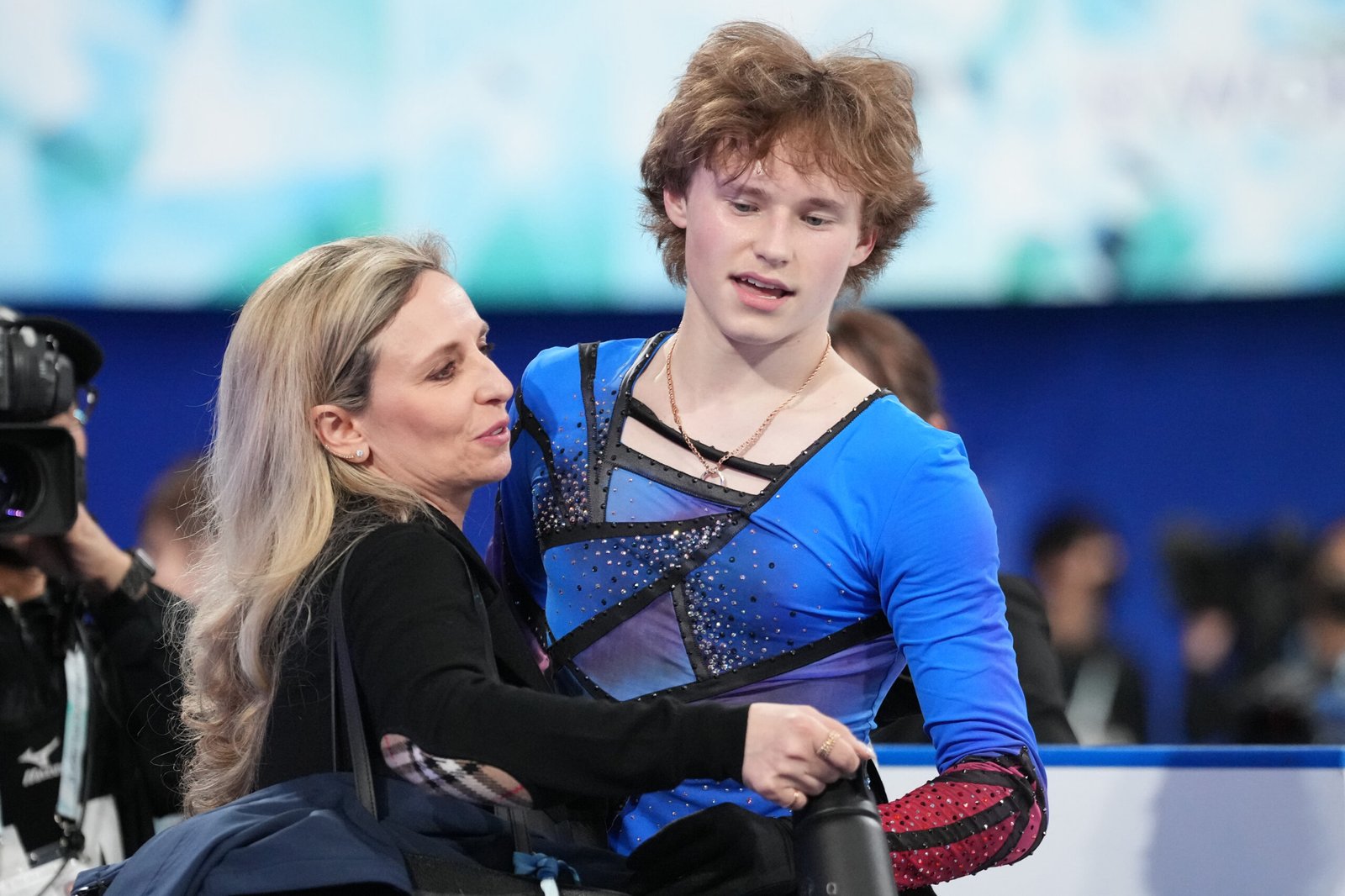
Every era of sport has its secret rooms. They are not visible during competition broadcasts or medal ceremonies. They exist in early mornings, private rinks, half-empty gyms, repeated failures, and experiments no one fully understands until years later. By the time the public sees greatness, greatness has usually been under construction for months or years. That is why one of the most exciting questions in figure skating today is not about what has already happened, but what may already be happening unseen.
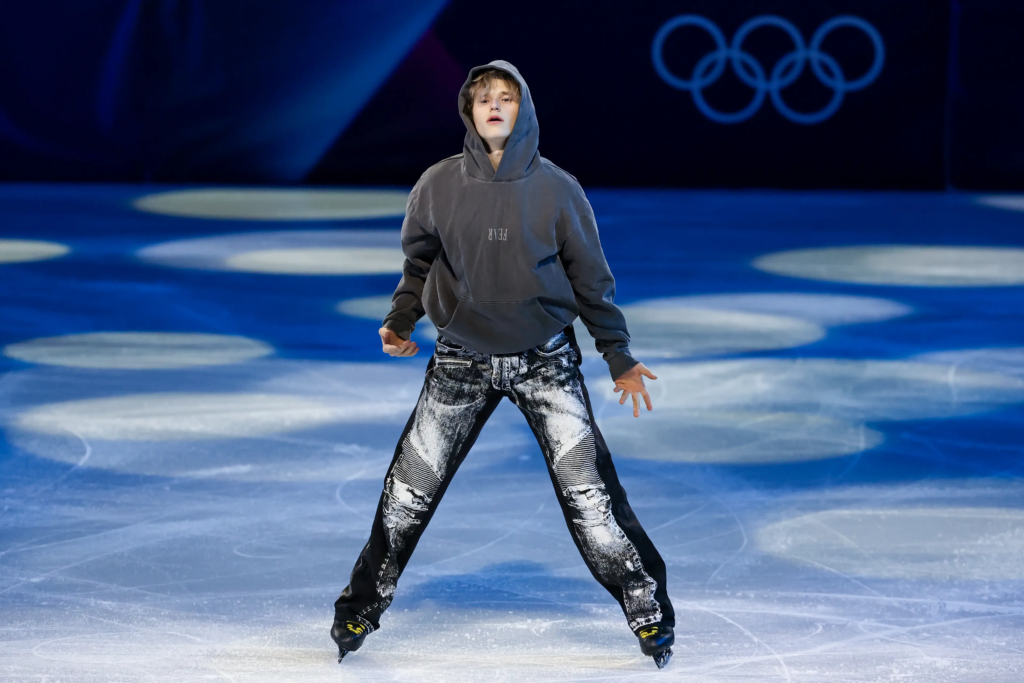
At the center of that curiosity stands Ilia Malinin, a skater who has already shifted expectations around jump difficulty and competitive ambition. When an athlete repeatedly accomplishes what others once considered remote, audiences stop asking whether he can do remarkable things. They start asking what remarkable thing he is hiding next.
The phrase “the next impossible” sounds dramatic, but sports history suggests it is often practical. The impossible is usually just a milestone that has not yet been scheduled. Before records fall, they look permanent. Before revolutions become normal, they look absurd. Then someone trains toward them quietly until the absurd begins to look inevitable. That pattern repeats across generations because limits are often social long before they are physical.
In figure skating, training is where tomorrow first becomes visible. Competition programs show polished versions of known skills. Practice sessions are different. They are laboratories of risk. Jumps are attempted before consistency exists. Rotations are chased before landings are reliable. Bodies learn timing through crashes, hesitation, correction, and stubborn repetition. What fans eventually celebrate as historic often began as something ugly, unstable, and almost laughably premature.
That is why speculation around elite training carries such energy. A rumor of an extra rotation. A clip with unusual height. A statement hinting at larger goals. A coach refusing to dismiss future possibilities. None of these confirm anything, yet together they create a familiar scent: innovation may already be in progress. The public is not reacting to evidence alone. It is reacting to pattern recognition.
Malinin inspires that reaction because he has altered trust. When ordinary athletes tease extraordinary plans, people doubt politely. When extraordinary athletes do it repeatedly, people listen differently. He has earned the kind of credibility that makes whispers louder. Viewers know he does not approach difficulty as theater. He approaches it as work.
But what exactly would “the next impossible” mean in modern figure skating? It could mean a jump once thought unrealistic in clean competition conditions. It could mean combinations stacked beyond current expectations. It could mean making brutally difficult elements look sustainable rather than miraculous. Sometimes the true revolution is not inventing a new skill, but normalizing one everyone thought should remain rare.
There is also a psychological advantage to unseen progress. Rivals prepare for what they know. They strategize around current scoring realities, present strengths, and recent evidence. Hidden development changes that equation. If a skater reveals something major only when ready, the competitive shock can be as valuable as the element itself. Surprise has always been a silent weapon in sport.
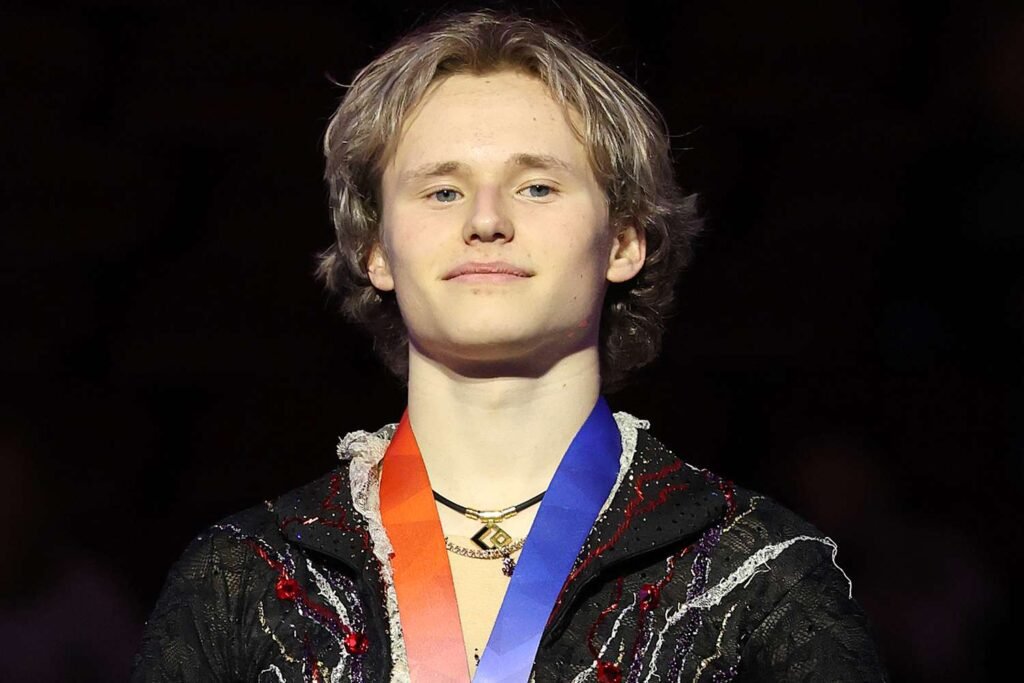
Of course, secrecy and speculation have limits. Training clips can mislead. Experimental attempts are not competition-ready performances. Many skills live brilliantly in practice and refuse to survive under pressure. The ice feels different when scores, cameras, expectations, and one chance replace the forgiving repetition of rehearsal. This is why wise observers separate possibility from certainty.
Still, possibility matters more than it seems. Once fans begin to believe a new frontier may be near, the sport changes emotionally. Younger skaters watch more closely. Coaches broaden imagination. Media narratives shift. The ceiling becomes negotiable. Even failed attempts can expand a discipline if they force everyone to think beyond yesterday’s map.
What makes Malinin especially compelling is that his influence already reaches beyond results. He embodies a modern athletic archetype: the competitor who treats accepted boundaries as temporary infrastructure. That mindset is contagious. Whether he lands every rumored future skill or not, he has made ambition itself fashionable again in a sport that thrives when courage leads.
There is beauty in this uncertainty. We do not know what is in his training. We only know that private work often precedes public astonishment. Somewhere, on some session that most people will never witness, a skater may be testing the future between falls and near-misses. History often begins without an audience.
So is the next impossible already in his training? Maybe. Maybe not in final form, not consistently, not yet worthy of competition light. But that may be exactly how all breakthroughs look before they become headlines: incomplete, hidden, doubted, and quietly getting stronger.
And if that is true, then the most important performance may be happening right now — in an empty rink, before anyone knows what to call it.