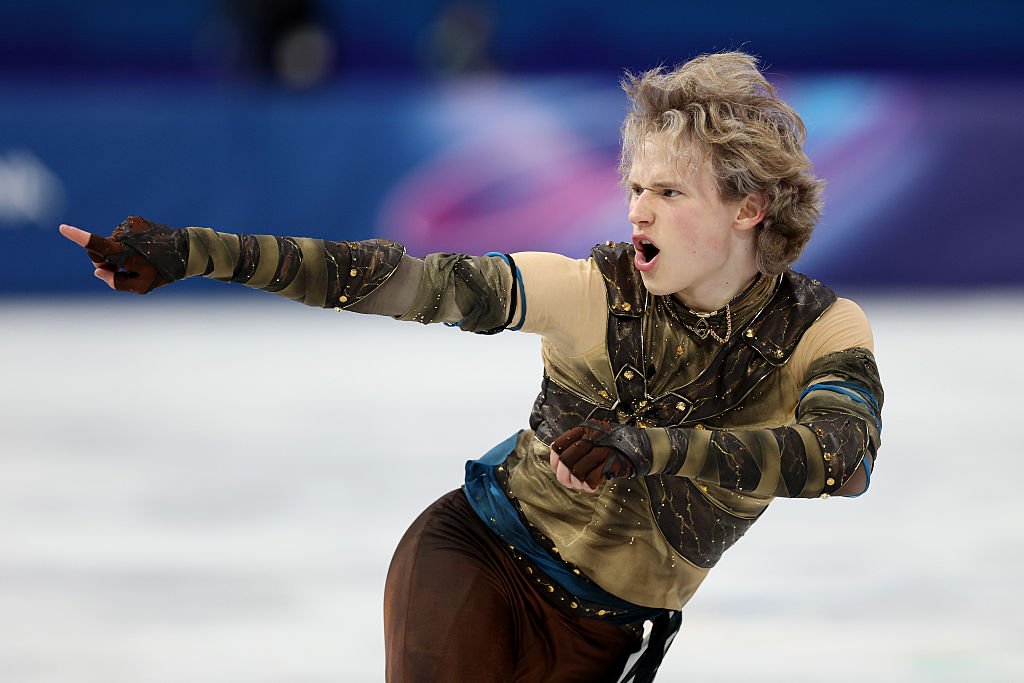
At first, innovation is an action. It is a choice, a bold attempt, a willingness to do what others avoid. But after enough breakthroughs, innovation can become something heavier and more permanent: identity. The athlete is no longer simply someone who tries new things. He becomes the person everyone expects to move the frontier. And once that transformation happens, slowing down is no longer a tactical decision. It feels like betraying the version of yourself the world has learned to believe in.
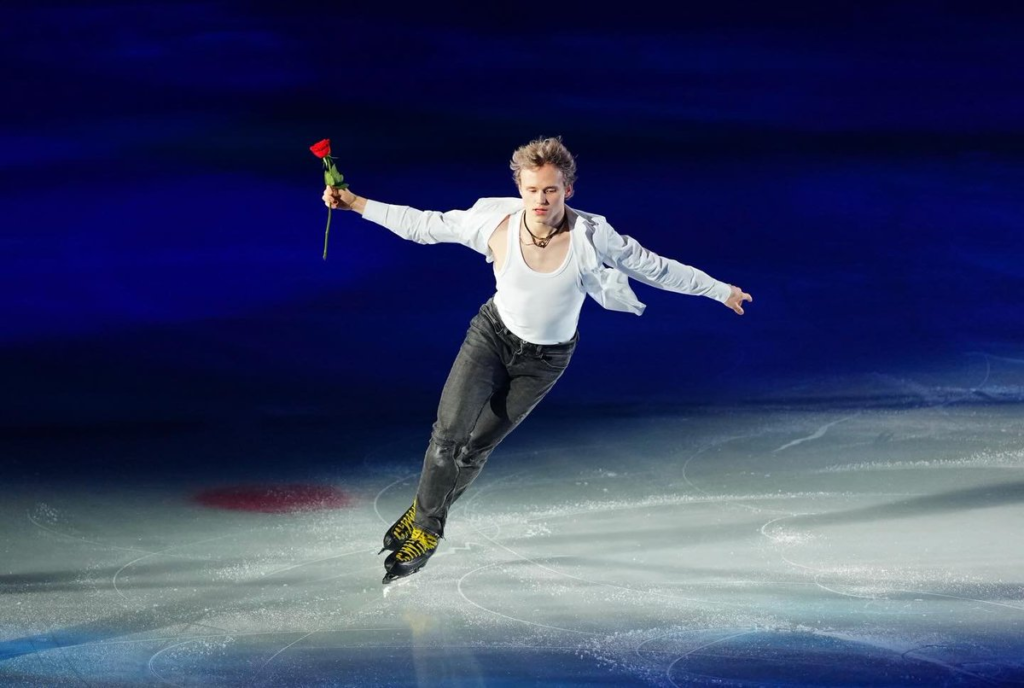
This is the paradox facing many generational talents, and it hovers especially strongly around Ilia Malinin. His rise has not merely been about victories or scores. It has been about momentum. He represents acceleration itself — technical ambition, fearless progression, and the constant suggestion that another barrier is waiting to be broken. Audiences do not just watch him compete. They watch him to see what comes next.
That expectation is flattering from a distance and exhausting up close. Once fans associate an athlete with innovation, ordinary excellence begins to look strangely insufficient. A clean performance may still earn applause, yet some viewers quietly ask where the surprise was. A title may still matter, yet headlines drift toward what was not attempted. The standard moves from winning to astonishing.
This is how identity can become pressure. The same reputation that elevates an athlete can narrow him. If he repeats success, critics call it predictable. If he chooses caution, they call it regression. If he experiments and fails, they question judgment. Innovation creates freedom at first, then can slowly become obligation. The pioneer becomes trapped by the road he built.
Figure skating makes this tension especially sharp because the sport balances art and risk under public scoring. A skater must think not only about legacy, but about knees, ankles, timing, fatigue, consistency, and competitive calendars. The body has truths that reputation does not care about. There are days when maintaining greatness is harder than chasing novelty, and smarter too.
Yet crowds are not naturally patient with maintenance. They celebrate revolutions more loudly than stewardship. Preserving dominance, refining quality, improving details, and staying healthy are quieter achievements than unveiling something new. But quieter does not mean smaller. In many careers, the most intelligent phase begins when reckless progress gives way to sustainable mastery.
The question, then, is whether slowing down would truly be decline — or evolution. There is a difference between abandoning ambition and redirecting it. An athlete can innovate not only through bigger tricks, but through cleaner execution, richer interpretation, strategic maturity, and consistency under pressure. Sometimes the next frontier is not height or rotation. Sometimes it is completeness.
History offers many examples of stars who mistook perpetual escalation for permanence. They kept forcing the next leap because the audience had grown addicted to surprise. Some were injured. Some burned out. Some discovered too late that identity built only on novelty has no resting place. If you must always exceed yesterday, eventually yesterday becomes impossible competition.
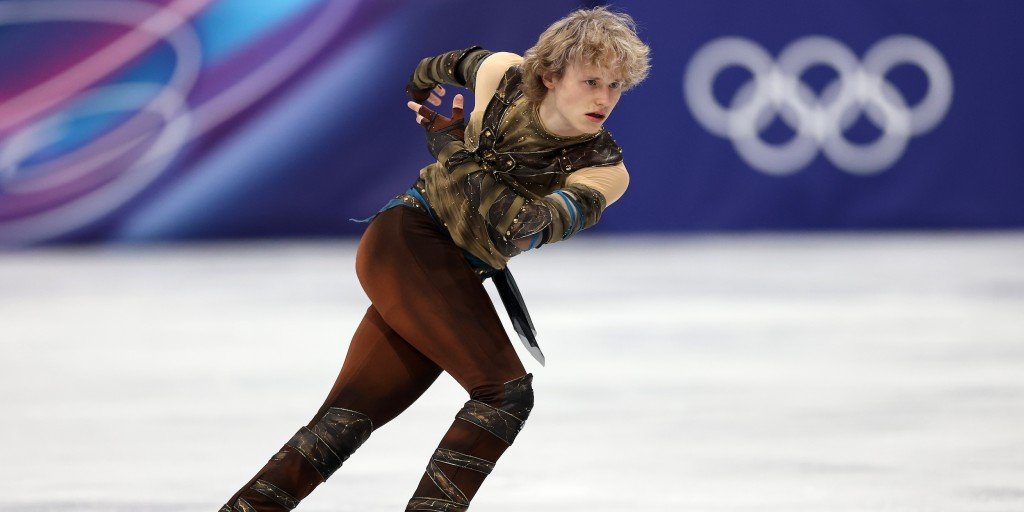
The wisest champions eventually redefine themselves before circumstances do it for them. They understand that reinvention is not always louder; often it is deeper. They trade spectacle for command, urgency for precision, chaos for authorship. They stop asking, “What can I add?” and begin asking, “What can I become?” That shift can extend greatness far longer than one more dangerous milestone.
For Malinin, this dilemma is uniquely fascinating because he still possesses the rare ability to make escalation feel realistic. When someone repeatedly delivers what others only imagine, calls to keep pushing sound reasonable. But even extraordinary athletes remain human systems, not endless machines. Talent can stretch limits; it cannot erase biology.
There is also the emotional dimension of carrying innovation as identity. To always be the future can isolate a person from the present. Every performance gets measured against possibility rather than reality. Every success is greeted with the question of what is next. Very few people ask whether standing still for a moment might itself be wisdom.
Can he ever slow down? Of course he can. The deeper question is whether the public would recognize slowing down in the right way. If he chooses refinement over shock, sustainability over spectacle, balance over constant escalation, some will misread it as lessening. But maturity often looks like reduction to those addicted to acceleration.
And perhaps that is the final lesson of innovation. Its highest form is not endless speed. It is control. Knowing when to attack, when to preserve, when to risk, when to reshape the narrative. The athlete who can break limits is impressive. The athlete who can also choose limits is formidable.
So when innovation becomes identity, slowing down is not failure. It may be the boldest innovation of all: refusing to be ruled by the myth you created.