Every sport has a favorite word before history embarrasses it: impossible. It is spoken with confidence, repeated with authority, and protected by people who mistake current limits for permanent truth. Impossible is rarely a fact. More often, it is a timestamp — evidence of what had not been done yet. Figure skating has heard that word for generations, and each era has eventually watched it melt beneath sharper blades.
There was a time when certain jumps belonged to fantasy more than competition. Coaches dismissed them, commentators doubted them, and fans treated them like distant rumors. Then someone landed them. What once sounded reckless became respectable. What once inspired disbelief became expected from elite contenders. The sport did not simply gain new elements; it lost an old certainty.
That is how progress usually arrives in figure skating. Not politely. Not with unanimous approval. It comes through one skater willing to risk public failure in pursuit of private conviction. The crowd sees the attempt for a few seconds. It does not see the years of repetition, bruises, fear management, timing drills, and lonely obsession that made those seconds possible.
Today, the word impossible is again under pressure. As technical ceilings continue to rise, discussions around the next frontier feel less like science fiction and more like scheduling. When a sport repeatedly watches barriers collapse, skepticism changes shape. People still doubt — but now they doubt nervously, aware they may soon be outdated.
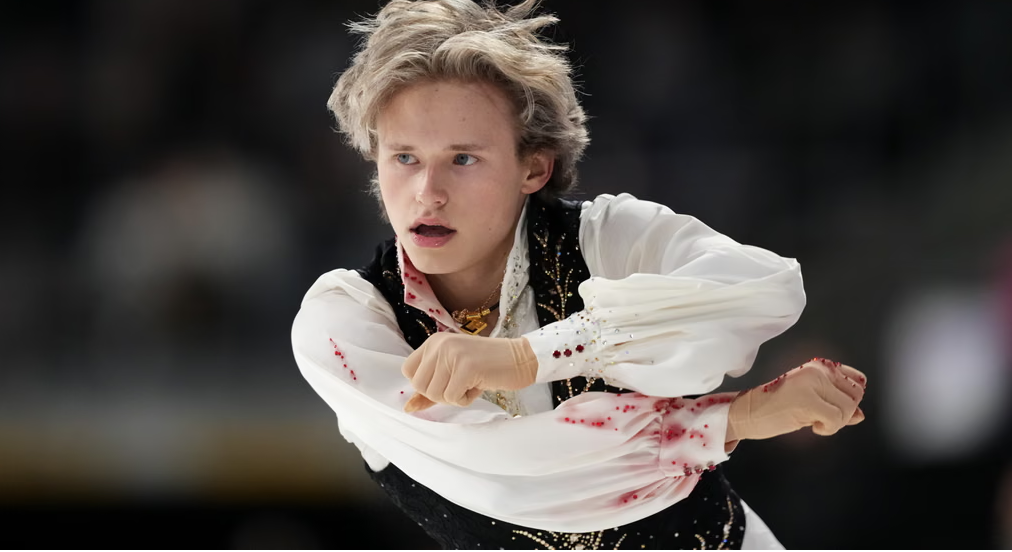
Much of that modern tension surrounds Ilia Malinin, whose presence has accelerated what audiences believe can happen on ice. He has already turned once-mythic difficulty into competitive reality. More importantly, he has changed the emotional climate of expectation. Fans no longer ask whether boundaries can move. They ask how far, how soon, and who will survive the pace of change.
This is a profound shift. When spectators stop treating innovation as miracle and start treating it as possibility, the culture of a sport transforms. Young skaters train differently because their imagination has expanded. Coaches plan differently because old caution feels obsolete. Rivals compete differently because safety no longer guarantees relevance. A single athlete can alter scores; a changed mindset can alter generations.
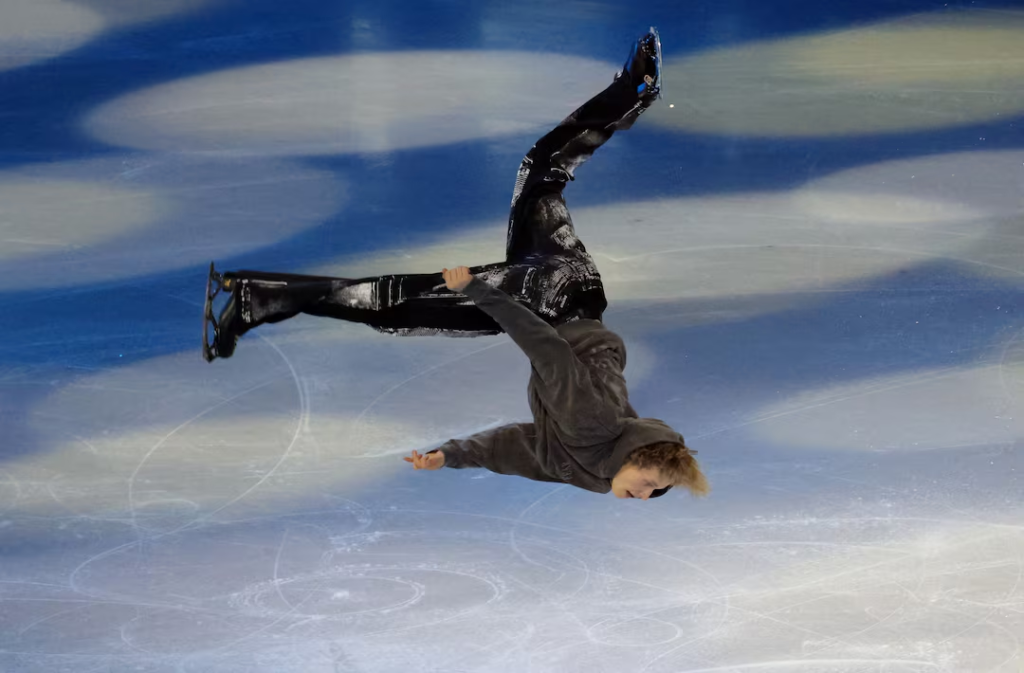
Yet figure skating is not just physics. It is physics under beauty. Every new technical demand must coexist with music, transitions, stamina, edge quality, and performance pressure. That is why impossible lingers longer here than in some sports. It is not enough to complete something in isolation. It must live inside a program, under scrutiny, while the body is already tired and the stakes are painfully real.
That complexity makes breakthroughs even more meaningful. A new jump or combination is not merely an athletic trick. It is a statement that elegance and extremity can share the same stage. It says the sport does not need to choose between art and ambition. The best innovations often expand both.
Still, resistance has value. Skepticism forces standards. It asks whether a feat is repeatable, clean, sustainable, and worthy of celebration beyond novelty. Without skepticism, sports become gullible. Without dreamers, sports become stagnant. Progress depends on tension between those who guard quality and those who challenge inherited caution.
So what is “the day figure skating stops calling it impossible”? It may not be one dramatic landing under arena lights, though that could symbolize it. More likely, it is quieter. It is the day coaches casually assign what once seemed absurd. The day commentators discuss revolutionary difficulty with normal vocabulary. The day junior skaters attempt yesterday’s miracles in practice without ceremony.
That is how impossible truly dies — not when first achieved, but when no one gasps anymore.
Think of how many wonders in sport lost their shock over time. Records once sacred became stepping stones. Techniques once outrageous became fundamentals. The crowd’s astonishment has a short memory, but the sport’s standards remember everything. What was once headline material eventually becomes baseline expectation.
Figure skating is moving toward another such threshold. Whether it is a new jump, a harsher combination, or an entirely different approach to technical construction, the pattern is familiar. First comes ridicule. Then fascination. Then one successful moment. Then repetition. Then children learning it before they fully understand why adults once doubted.
And perhaps that is the most beautiful part of progress: the future always arrives looking unreasonable.
So when the day comes that figure skating stops calling it impossible, it will not only mark a technical achievement. It will reveal something deeper about human nature. We are constantly wrong about our ceilings. We defend them until someone rises through them. Then we rename them floors and continue upward.