
The online fundraising campaign that collected more than $625,000 for Karmelo Anthony and his family has been taken down following his recent murder conviction, sparking a wave of questions across social media.
Many people immediately began asking the same question: Where did all the money go?
Rumors quickly spread online claiming that the funds had been used to purchase a new home and other personal items. However, organizers and the fundraising platform have now provided more details about the campaign and its intended purpose.
According to statements from GiveSendGo, the fundraiser was originally created to help cover pre-trial expenses and support Anthony’s family as they dealt with the legal case and its aftermath. The campaign description stated that the money was not intended solely for legal defense. It also listed family relocation, security measures, transportation, counseling, and basic living expenses among the planned uses for the funds.
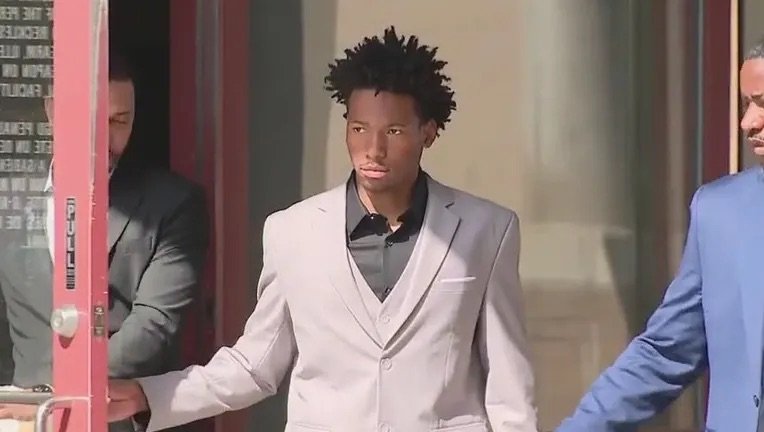
Following Anthony’s conviction, GiveSendGo announced that the campaign had been closed because its stated purpose had been fulfilled. The company said the funds had been distributed over the course of the past year for what it described as lawful purposes, including legal defense and family relocation.
The closure has reignited debate online. Critics have questioned whether the family should continue receiving support after the conviction, while others argue that crowdfunding platforms often allow donations to cover legal and family-related expenses regardless of public opinion surrounding a case.

One of the biggest claims circulating online involved allegations that fundraiser money was used to buy a new house. However, publicly available reporting has found no verified evidence proving that crowdfunding funds were used for a home purchase. The fundraising platform has previously stated that the money was intended for multiple family needs beyond legal costs.
The case remains one of the most closely watched criminal trials in recent memory, and the fundraising controversy has become almost as heavily debated as the verdict itself.
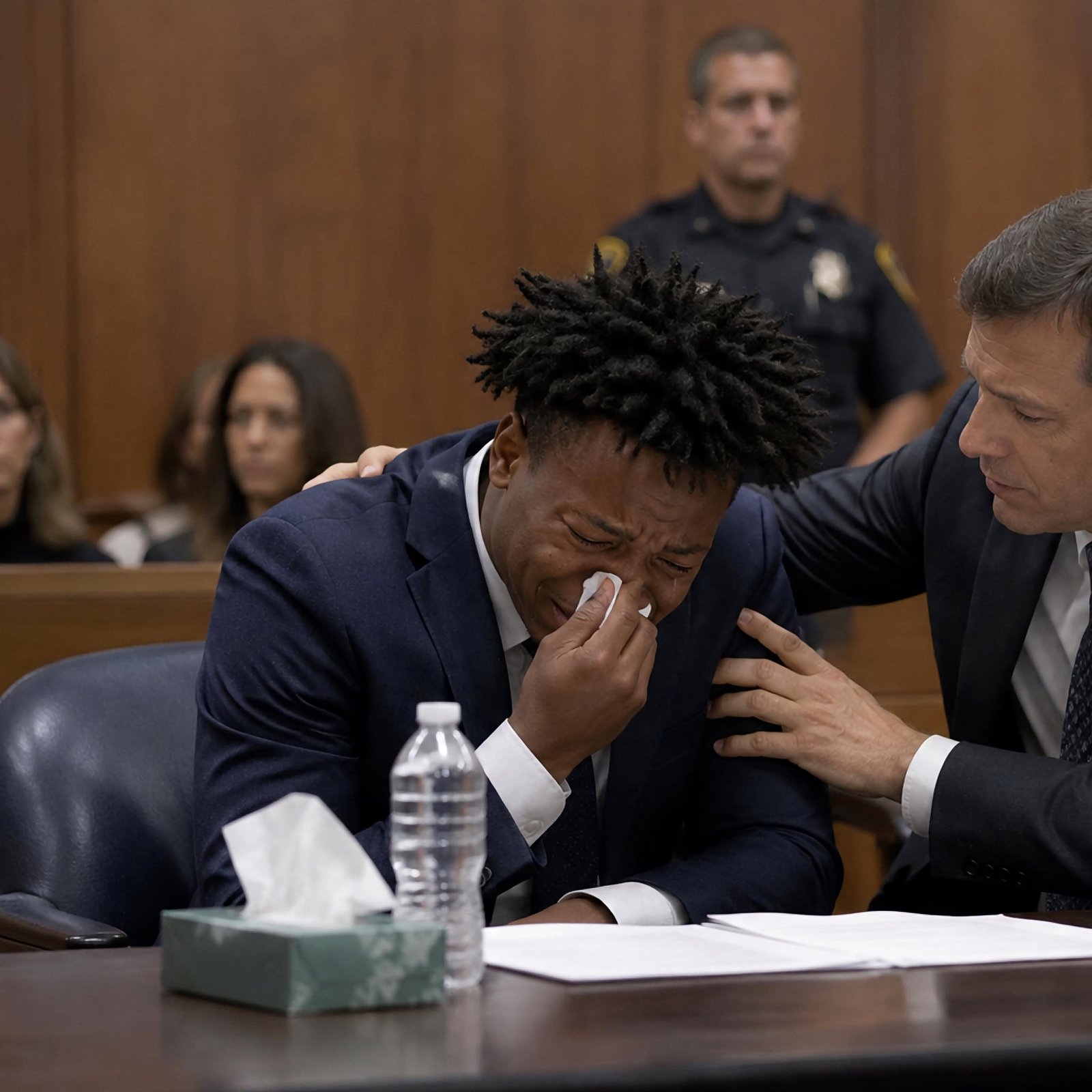
With the campaign now offline, attention is shifting from how much money was raised to how the funds were ultimately used—and whether additional fundraising efforts could emerge if appeals are pursued in the future.
What do you think? Should crowdfunding campaigns connected to criminal cases remain active after a conviction, or should they automatically be closed once a verdict is reached?