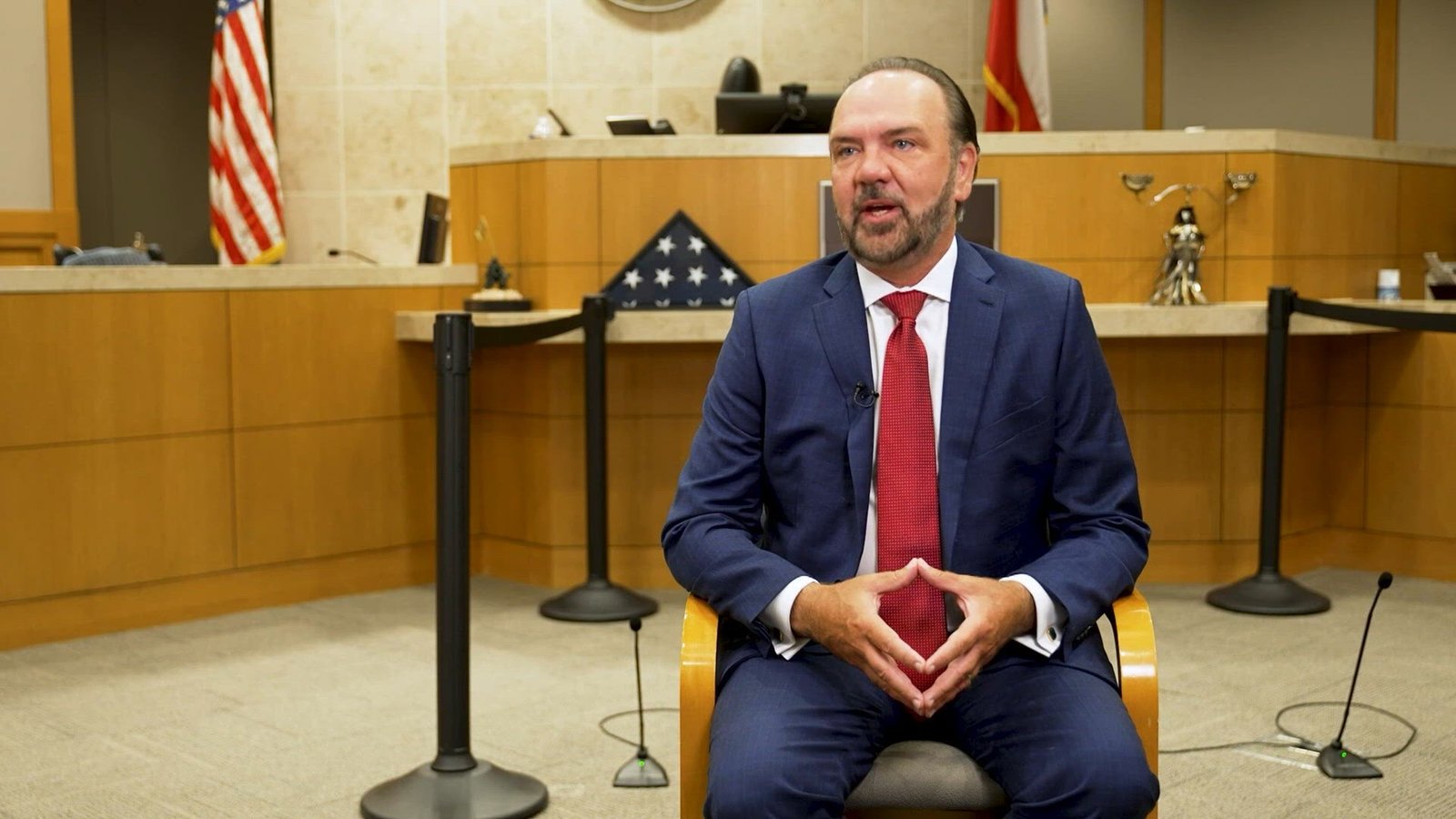
The judge who presided over the highly publicized murder trial involving Karmelo Anthony is facing renewed public scrutiny after defending both the courtroom restrictions and the verdict that ultimately resulted in a 35-year prison sentence.
As debate continues online and in the media, many people have focused on one question in particular: Why were cameras prohibited from the courtroom during such a closely watched case?
According to the judge, the decision was made to protect the integrity of the proceedings and ensure that everyone involved—including witnesses, attorneys, jurors, and family members—could participate without the added pressure of constant public exposure.
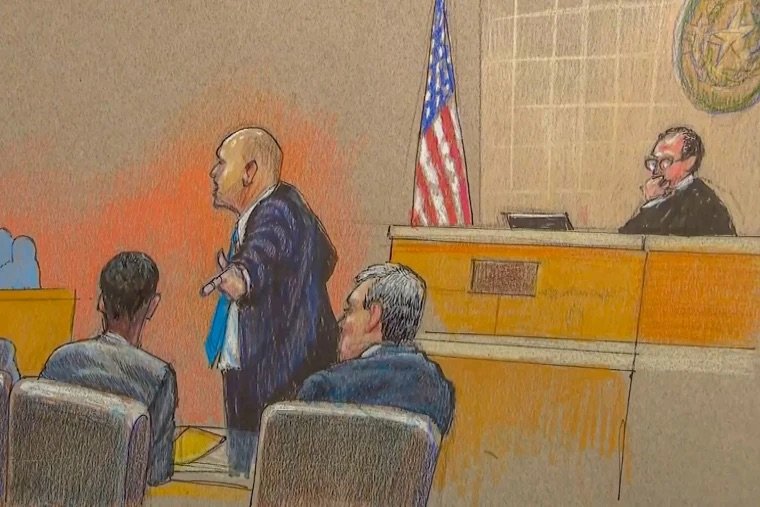
The absence of cameras became one of the most discussed aspects of the trial, with critics arguing that greater transparency could have helped the public better understand the evidence and legal arguments presented during the proceedings. Supporters of the restriction, however, contend that limiting media access helped maintain order and reduced the risk of outside influence on the case.
The controversy did not end with the courtroom rules. Following the conviction and sentencing, public opinion remained sharply divided. Some observers praised the outcome as a fair application of the law, while others questioned various aspects of the case and the legal process that led to the verdict.
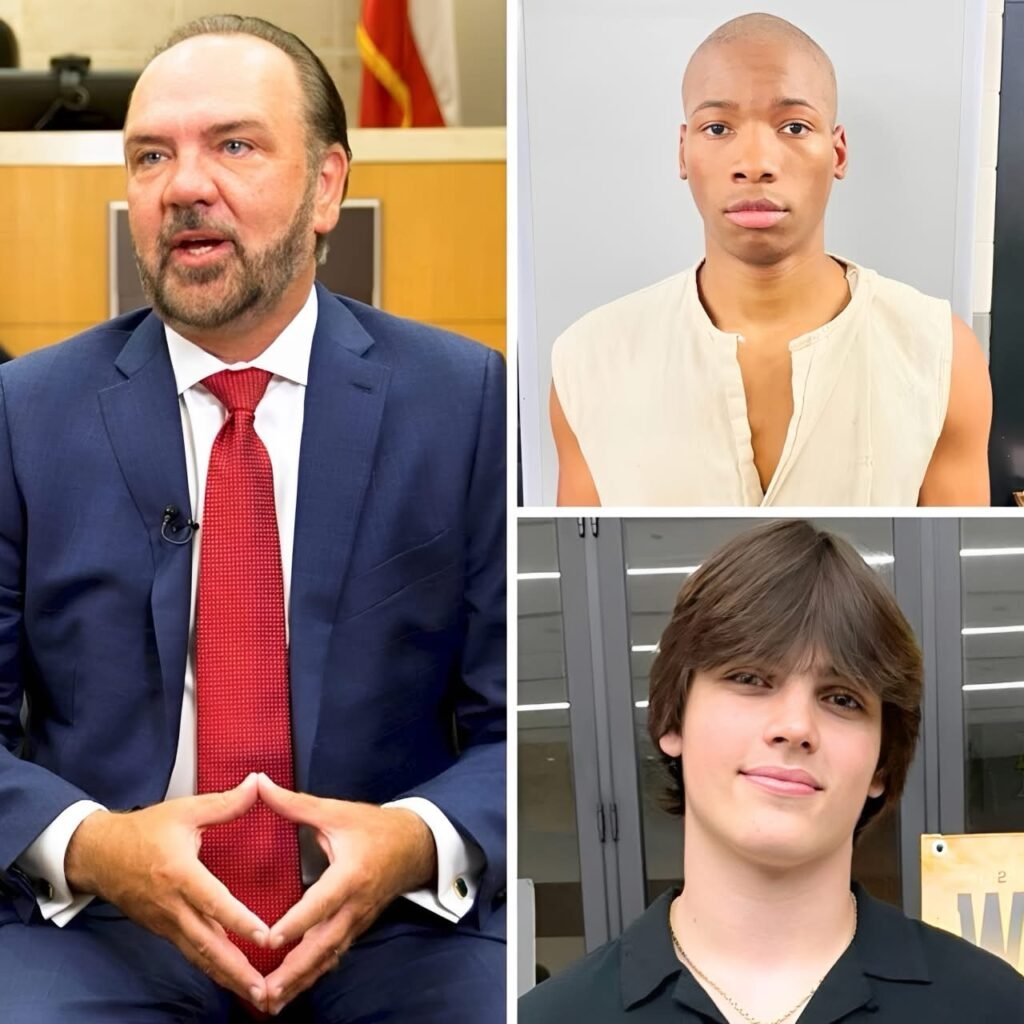
Addressing the criticism, the judge reportedly expressed confidence in the decisions made throughout the trial and stated that he remains at peace with the outcome. His remark that he “sleeps well at night” quickly became a focal point of discussion online, with supporters viewing it as a sign of conviction in the judicial process and critics interpreting it as dismissive of ongoing concerns.
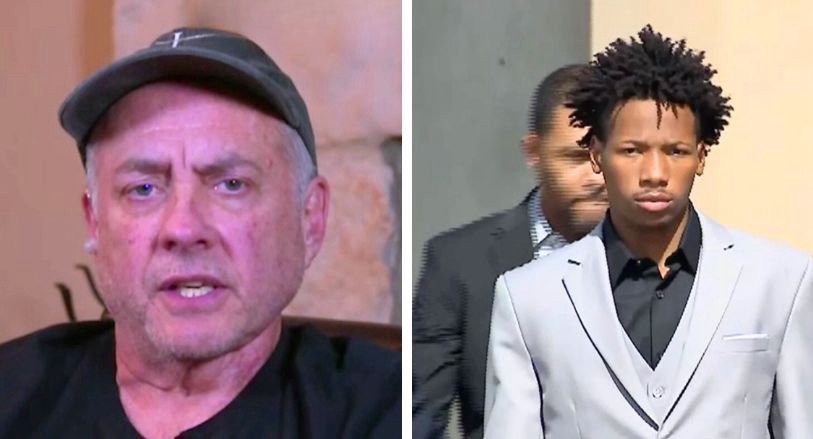
The comments have reignited conversations about transparency in the courtroom, the role of media coverage in high-profile trials, and the difficult balance judges must strike between public interest and the fair administration of justice.
As reactions continue to pour in, the case remains a topic of intense public interest. While opinions differ sharply, the judge’s latest comments have added another chapter to an already closely watched legal saga and ensured that debate surrounding the trial is far from over.