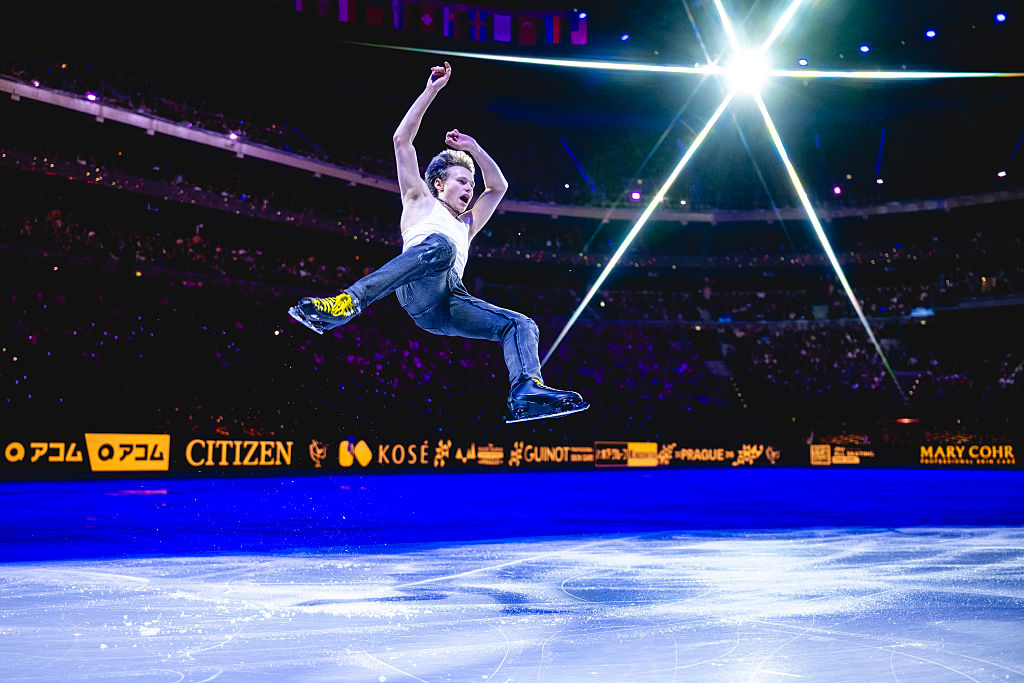
There are athletes, and then there are moments that make language feel too small. Ilia Malinin belongs to that second category. Watching him skate can feel less like witnessing a sport and more like catching a glimpse of something the human body was never officially designed to do. He launches, rotates, lands, and continues as if physics politely stepped aside for a few seconds. You do not merely watch it happen—you question everything you thought you knew about movement.
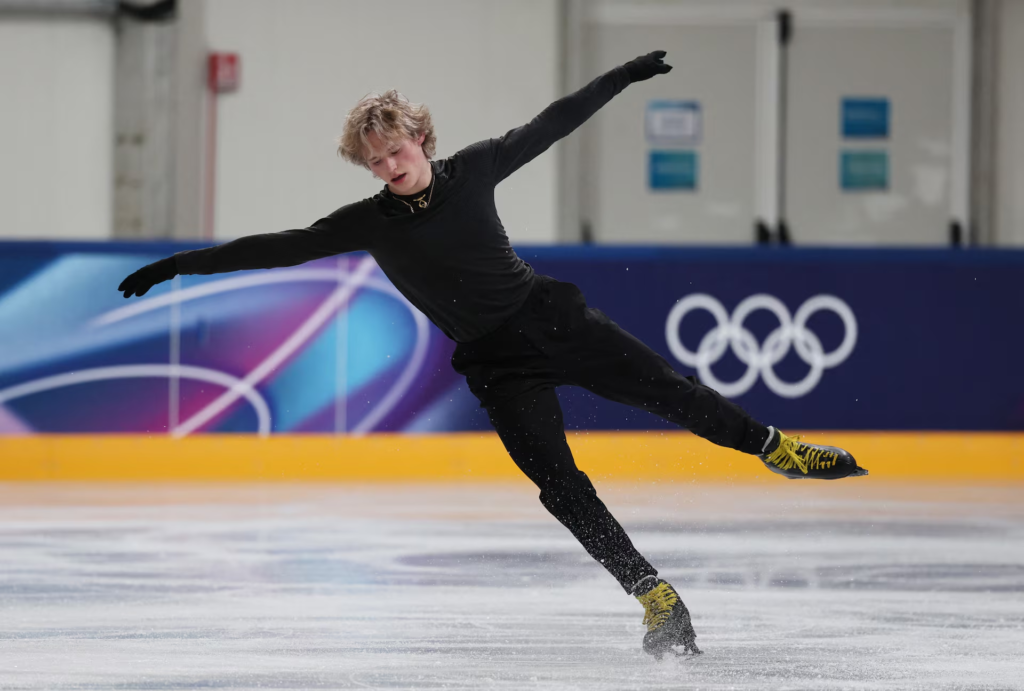
Every era of sports creates one figure who changes the conversation. In basketball, it may be range. In football, speed. In tennis, endurance. In figure skating, difficulty has always been measured in fractions: a sharper landing, a cleaner edge, one more rotation if the gods are feeling generous. Then Malinin arrived and treated those fractions like outdated currency. He did not ask where the ceiling was. He skated through it.
The first reaction people often have is disbelief. Not admiration first—disbelief. Your eyes search for camera tricks, slow-motion edits, impossible angles. Surely something has been exaggerated. Surely no one rises that high, spins that fast, lands that cleanly, and still has the composure to glide into the next sequence like it was a warm-up drill. But replay only deepens the mystery. The evidence becomes more undeniable, and somehow more absurd.
What makes him compelling is not only the jumps. Plenty of athletes can master one signature move and build a reputation around it. Malinin’s appeal comes from the contrast between violence and grace. One second he is a storm gathering force, knees bending, edges carving tension into the ice. The next, he is airborne with machine-like precision. Then comes the landing—quiet, controlled, almost elegant. Power transforms into poetry before the audience has time to inhale.
That is the magic of great entertainment: surprise married to excellence. Crowds do not erupt simply because something is hard. They erupt because something impossible-looking becomes real in front of them. It is the same thrill people chase in cinema, concerts, magic shows, and championship games. We want to be reminded that limits are often temporary stories. Malinin offers that reminder with blades on ice.
There is also something refreshing about the confidence of youth meeting the weight of tradition. Figure skating is rich with history, icons, standards, and reverence. It should be. Yet every historic sport needs someone willing to disturb the museum silence. Malinin skates like someone who respects the past but refuses to be trapped by it. He seems interested in legacy, yes—but only after he finishes reinventing it.
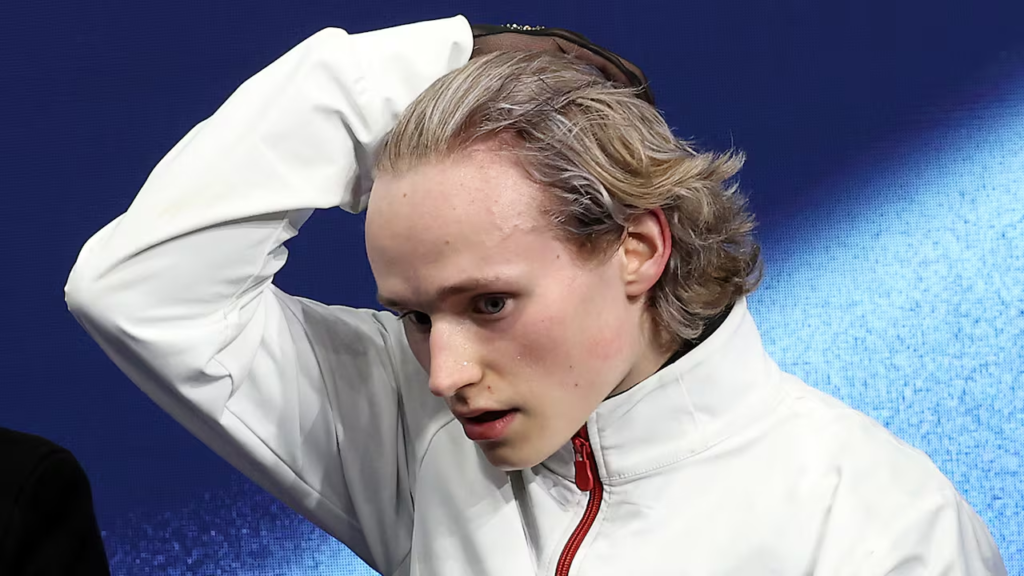
And still, behind the viral reactions and dramatic headlines, there is a quieter truth: none of this is accidental. Spectacular performances are built on invisible mornings, repeated drills, bruised falls, technical corrections, and the stubborn patience of obsession. What looks like a simulation glitch is usually thousands of hours of work compressed into a few seconds of brilliance. That may be the most astonishing part of all.
Fans sense that effort even when they cannot name each technique. It is why they stay emotionally invested. They are not only watching jumps; they are watching dedication become visible. Every clean landing carries the weight of earlier failures. Every triumphant score echoes previous frustration. Great athletes turn private sacrifice into public wonder, and audiences respond because they recognize the cost.
There is a reason social media lights up whenever he performs. In an age where attention is fragmented and everyone scrolls past everything, genuine astonishment still stops the thumb. People share what makes them feel something rare. Shock. Joy. Curiosity. Pride. The sentence writes itself again and again: “Did you just see that?” Malinin has become one of those uncommon performers who can still unite strangers through amazement.
Perhaps that is why the joke lands so well—that he is not real, that the simulation glitched, that gravity forgot its duties. Humor is often how people describe what exceeds vocabulary. When reality feels too dramatic, we borrow fantasy to explain it. We call someone unreal because ordinary words cannot carry the weight of extraordinary evidence.
Yet he is real. Real in the most inspiring sense of the word. Real talent. Real discipline. Real nerve under pressure. Real imagination in a sport that constantly asks for both precision and artistry. What looks supernatural is often human potential pushed farther than expected.
And maybe that is the lasting gift of watching Ilia Malinin skate. He does not just entertain. He expands belief. For a few minutes, the world feels wider, the ceiling feels higher, and impossible starts sounding suspiciously temporary.