
A Texas parole officer has found herself at the center of a growing controversy after comments she made regarding Karmelo Anthony’s 35-year prison sentence reportedly led to her termination.
The incident has quickly gained traction online, fueling heated discussions about free speech, professional conduct, and the responsibilities of public employees when discussing high-profile criminal cases.
According to reports, the parole officer commented publicly on Anthony’s sentence, suggesting that the teen would receive “protection” while incarcerated. The remarks immediately drew attention, with many social media users criticizing the statement as inappropriate given her position within the criminal justice system.
As backlash intensified, the officer did not appear to back away from her comments. Instead, she reportedly doubled down, responding to critics with a brief but firm statement: “I said what I said.”
That response quickly spread across social media platforms, where it became a focal point of the controversy. Supporters praised her for standing by her opinion, while critics argued that individuals working in sensitive public service roles should exercise greater caution when discussing inmates and criminal cases publicly.
The situation escalated further when reports surfaced that the officer had lost her job following the incident. While details surrounding the termination remain the subject of public discussion, the reported dismissal has only intensified debate about where the line should be drawn between personal expression and professional responsibility.
Many observers argue that government employees, especially those connected to law enforcement and corrections, are held to higher standards because their statements can affect public trust in the justice system. Others believe that employees should have the right to express personal opinions outside of work, provided those views do not interfere with their official duties.

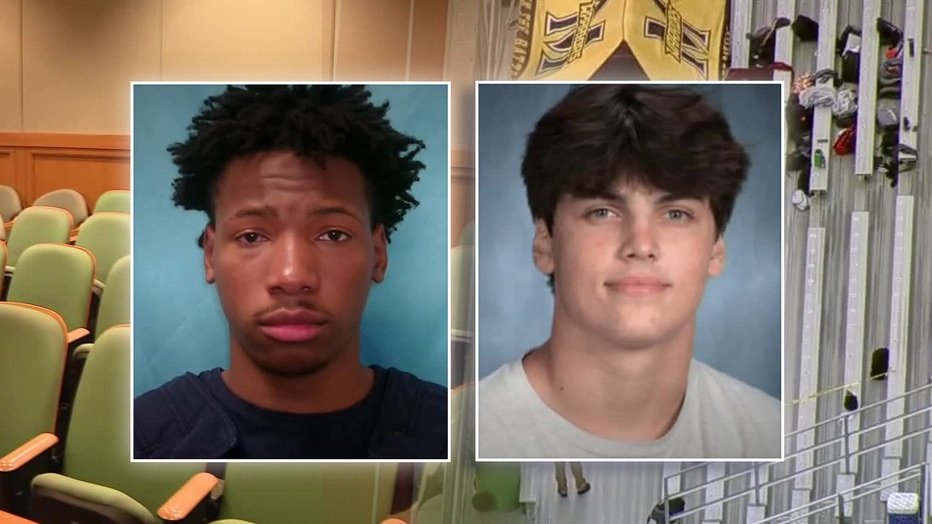
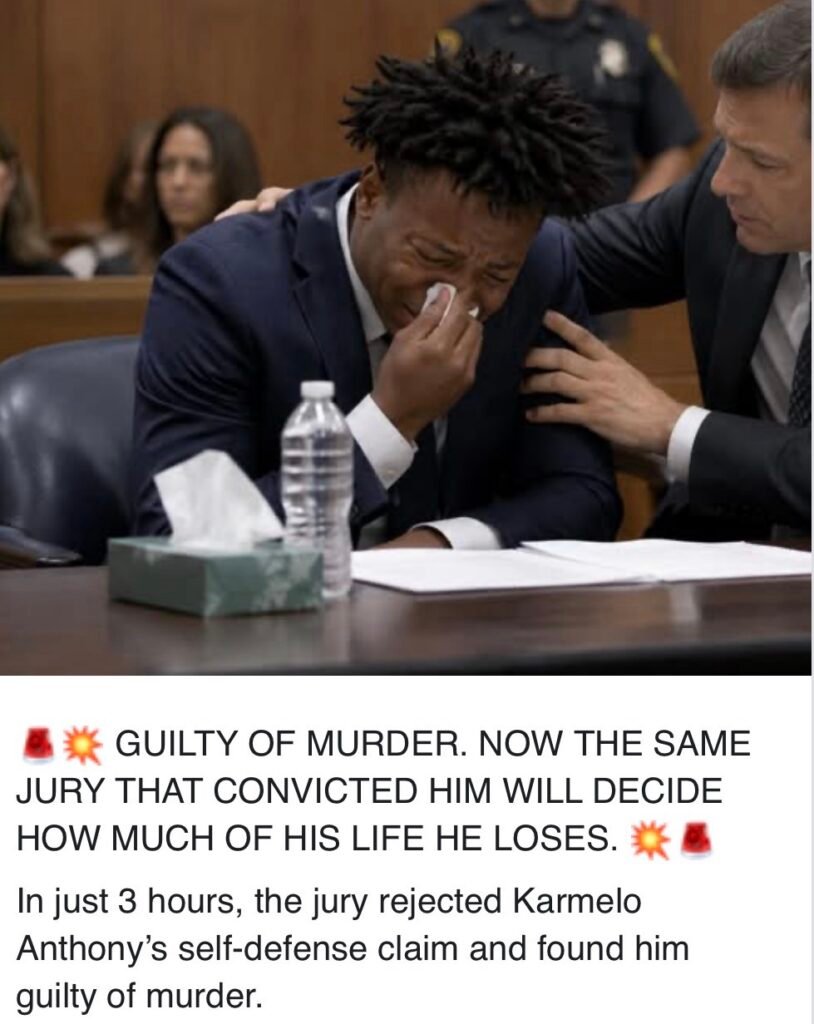
The controversy has also reignited public interest in Karmelo Anthony’s case, which has already generated significant discussion and strong opinions from both supporters and critics. As a result, nearly every new development connected to the case continues to attract widespread attention online.
Legal experts and public commentators have noted that situations like this often raise complex questions. Employers must balance employee speech rights with workplace policies, public perception, and organizational standards. In highly visible cases, those decisions can become even more challenging as public scrutiny grows.
For now, the story remains a topic of intense debate across social media, where thousands of users continue to weigh in on whether the reported firing was justified. Some see it as a necessary consequence of unprofessional conduct, while others view it as a troubling example of punishment for expressing an opinion.
As discussions continue, one thing is clear: a few comments, followed by a simple declaration—“I said what I said”—have evolved into a controversy far larger than anyone may have expected.
The incident serves as yet another reminder of how quickly a single statement can spark a national conversation in today’s digital age.