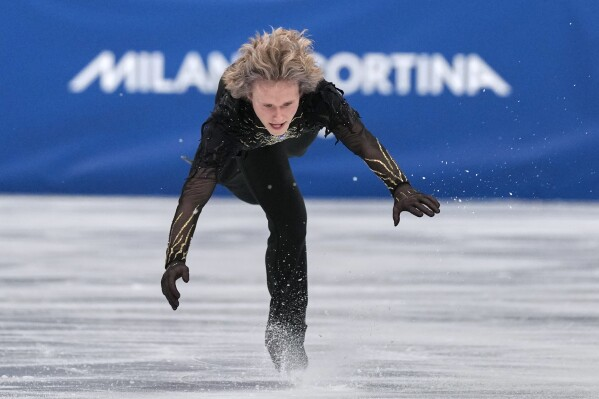
There is something quietly heartbreaking about watching beauty fight for space in a world obsessed with measurement. We live in an era where faster is praised, higher is rewarded, louder gets noticed, and more difficult often becomes synonymous with more valuable. In that climate, art faces a question it has never fully escaped: can it survive when extremes become the standard?
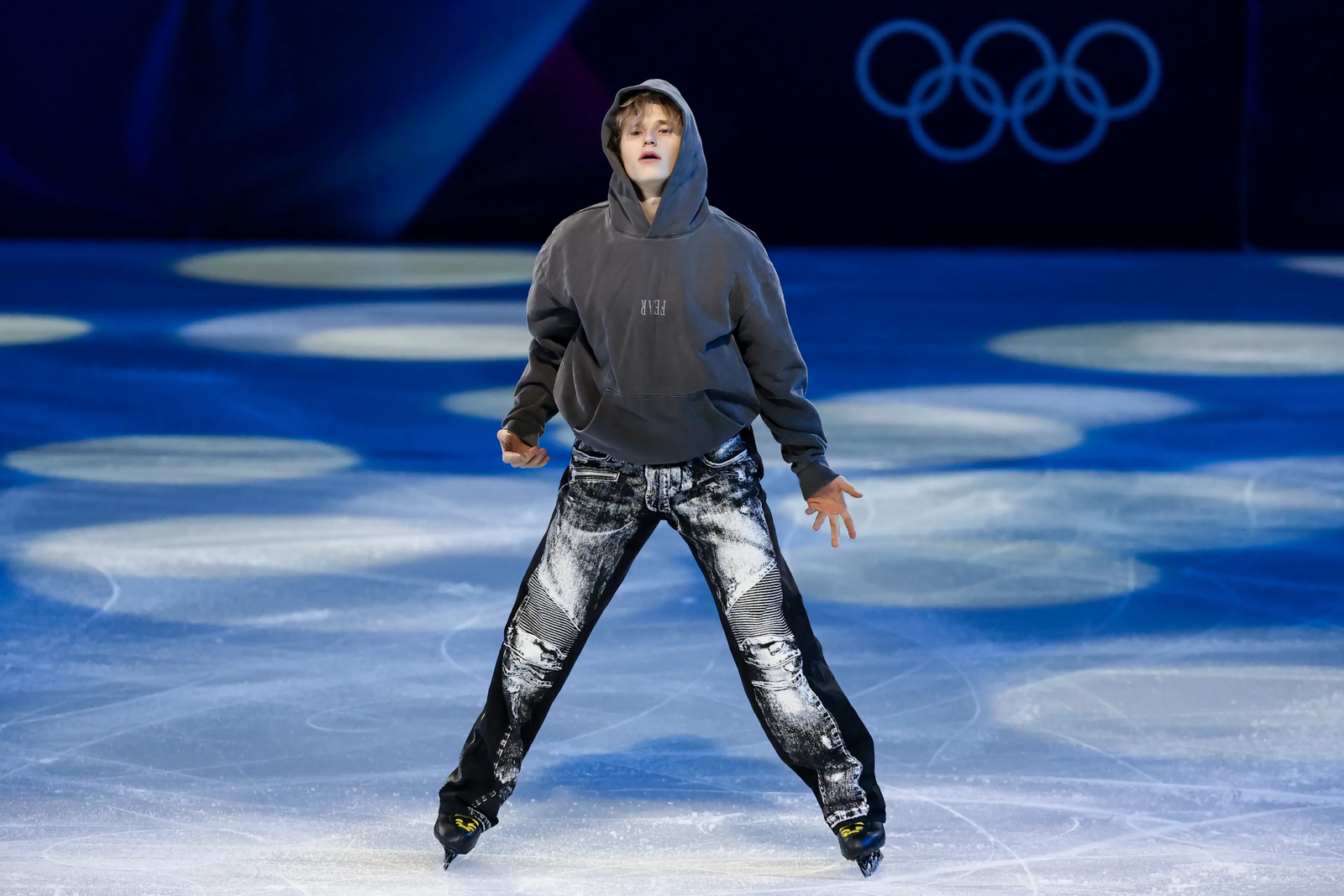
This question stretches far beyond galleries and theaters. It lives in music, where streaming numbers can overshadow substance. It lives in film, where spectacle sometimes drowns storytelling. It lives in sports like figure skating and gymnastics, where technical precision can command more attention than emotional depth. It even lives online, where algorithms often reward immediacy over meaning.
Technical excellence is not the enemy. It never has been.
Human beings have always admired mastery. We marvel at the pianist whose fingers move impossibly fast, the athlete who performs what once seemed impossible, the filmmaker who bends technology into visual wonder. Skill deserves reverence. Discipline deserves applause. Progress deserves room to grow.
The danger begins when technique stops serving expression and starts replacing it.
Art was never meant to be a checklist. It was never created merely to prove difficulty. Art exists because numbers cannot explain everything people feel. It is the language used when logic reaches its limit. A song can say what conversation cannot. A painting can hold grief without words. A performance can reveal truth in silence. These are powers no metric can fully score.
Yet modern culture often asks art to justify itself through data.
How many views? How many streams? How many points? How many spins, jumps, effects, edits, or tricks? The pressure to quantify value has created a strange paradox: we now have more ways than ever to measure success, and fewer ways to recognize meaning. What is instantly impressive can become more visible than what is deeply moving.
That is why technical extremes can feel so threatening. They are seductive. They provide certainty. Difficulty can be counted. Complexity can be ranked. Precision can be repeated on paper. Emotion is messier. Beauty is subjective. Resonance arrives differently for every person. Systems often prefer what is easy to calculate.
But people do not fall in love with calculation.
They remember the singer whose cracked voice carried heartbreak more than flawless notes. They remember the dancer whose movement exposed vulnerability more than perfect balance. They remember the athlete whose performance made an arena hold its breath, even if someone else posted a higher score. Long after records are broken, people still return to moments that made them feel human.
This is why art has survived every age that threatened it.
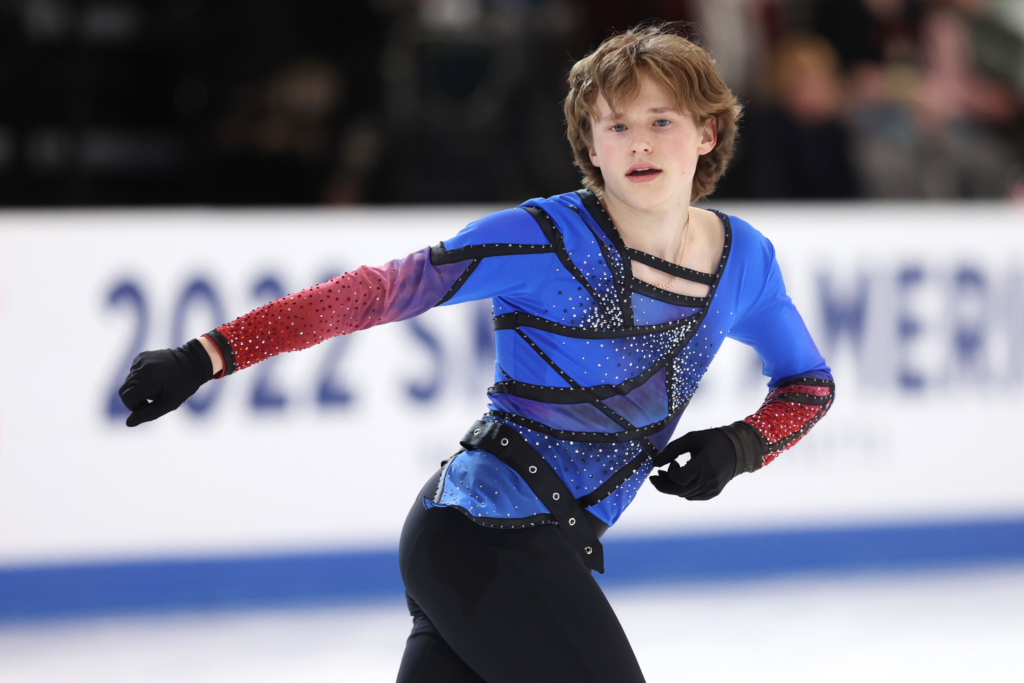
It survived industrialization, when efficiency became a cultural idol. It survived mass production, when sameness became profitable. It survived censorship, war, commercialization, and changing tastes. Art adapts because it is tied to something older than trends: the need to express what cannot remain trapped inside.
Still, survival does not mean untouched.
When technical extremes dominate a field, artists often change behavior. They may begin creating for judges instead of audiences, for algorithms instead of truth, for applause cues instead of genuine communication. In those moments, art becomes strategic. It may remain polished, but it risks losing pulse.
You can feel the difference immediately.
A technically perfect performance without soul can impress and then evaporate. A flawed but honest performance can linger for years. One dazzles the eye. The other moves the spirit. One says, “Look what I can do.” The other says, “Look what it means.”
The strongest future is not one where technique loses. It is one where technique remembers its place.
Great craftsmanship can elevate art when it remains in service to something deeper. A breathtaking jump in skating becomes unforgettable when woven into music and character. Cinematic effects become meaningful when they support story. Vocal power becomes transcendent when tied to emotion. Skill is at its highest not when it dominates, but when it disappears into expression.
This requires courage from creators.
It is safer to chase measurable praise than intimate truth. It is easier to build for instant reaction than lasting connection. It is simpler to perfect mechanics than reveal vulnerability. Real art asks for more. It asks creators to risk misunderstanding, slower success, and the possibility that subtle beauty may be overlooked at first glance.
It also requires courage from audiences.
We are trained to react quickly, scroll quickly, rank quickly, judge quickly. Art asks us to slow down enough to notice nuance. It asks patience. It asks openness. It asks us to recognize that what grows quietly in the heart may matter more than what explodes loudly in the moment.
So, can art survive in the age of technical extremes?
Yes — but not automatically.
It survives whenever a creator chooses meaning over empty spectacle. It survives whenever a judge rewards depth alongside difficulty. It survives whenever an audience values sincerity more than noise. It survives whenever someone leaves a performance changed rather than merely impressed.
Technical extremes may define eras. They may dominate headlines. They may reshape standards and rewrite records.
But art possesses a different kind of power.
It does not need to be the loudest thing in the room. It only needs to be the thing people cannot forget.