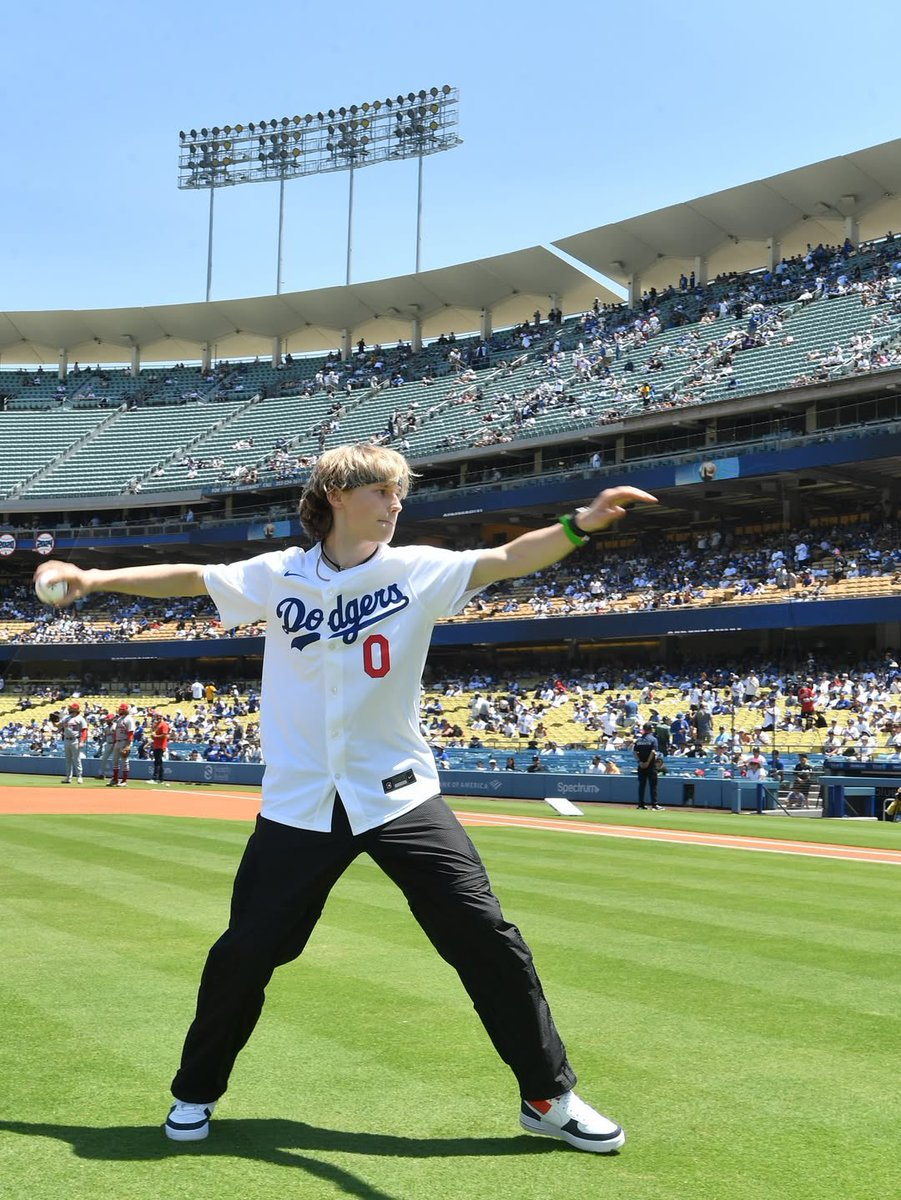
Three world titles in—and somehow, it still doesn’t look like enough. For Ilia Malinin, dominance hasn’t brought stillness. It hasn’t softened the edge or quieted the hunger. If anything, it has done the opposite. The victories stack, the headlines grow louder, yet the way he steps onto the ice feels untouched by any of it.
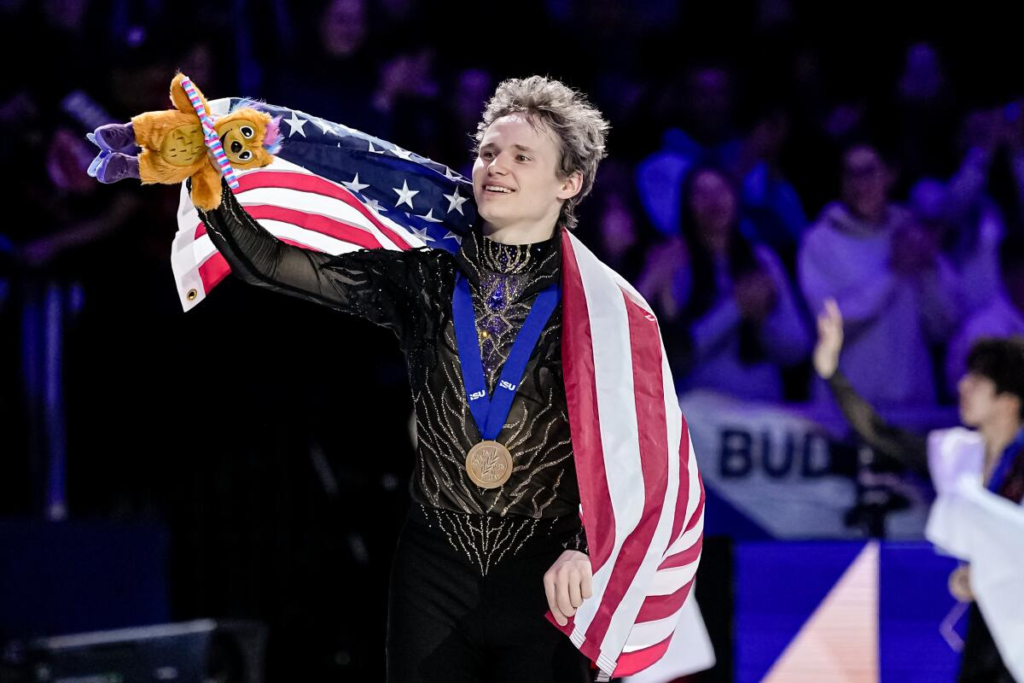
There’s no visible satisfaction in his movements. No pause that suggests he’s arrived. Instead, there’s urgency—almost a refusal to settle into what he’s already become. Where most champions begin to protect their legacy, he seems determined to disrupt his own.
It shows in the risks he continues to take. Not calculated, safe risks meant to secure another podium—but choices that feel borderline reckless for someone with everything to lose. Jumps that stretch beyond comfort. Transitions that seem faster than control should allow. It’s not carelessness. It’s something deeper—a quiet insistence that comfort is the real enemy.
Because for him, winning doesn’t erase doubt. It reshapes it.
Every title answers one question and creates another. Can he go higher? Can he push further? Can he still surprise himself? And somewhere between those questions, you begin to understand that this isn’t about proving anything to the world. It’s about proving something to himself that no medal can confirm.
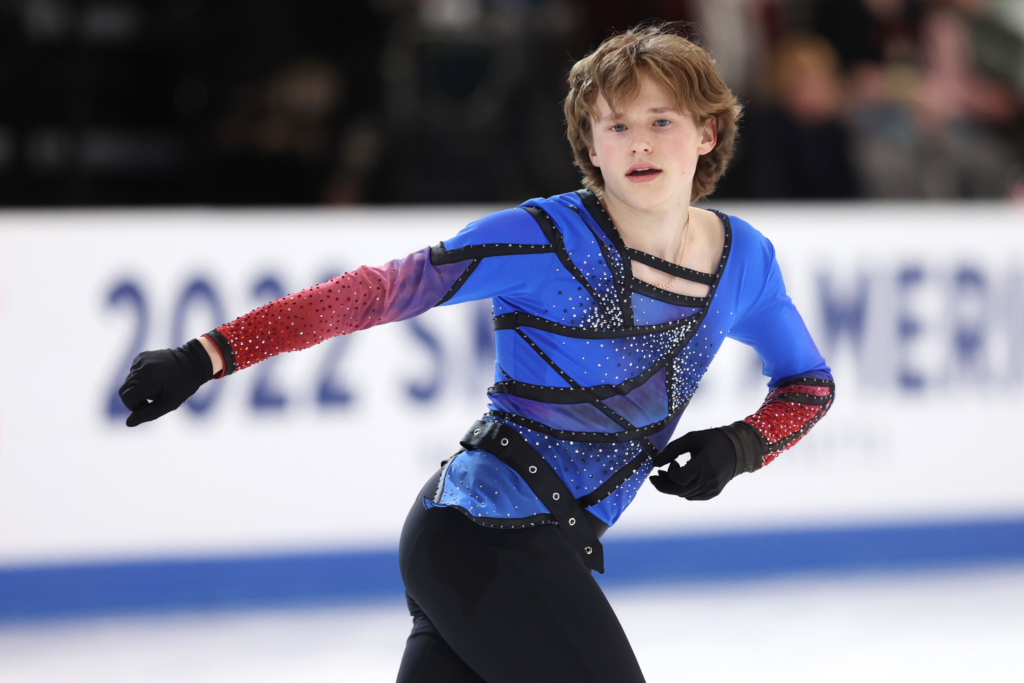
There’s a different kind of pressure in that. Not the kind imposed by judges or audiences—but the kind that lives internally, constant and unrelenting. When you are your own standard, there’s no moment where you can truly stop. No finish line that feels final.
And yet, there’s beauty in that tension.
Because it transforms every performance into something more than competition. It becomes exploration. You’re not just watching an athlete execute a program—you’re watching someone test the edges of what they believe is possible, live, in real time, with no guarantees of success.
That’s why even his clean skates don’t feel like conclusions. They feel like checkpoints. Temporary markers in a journey that refuses to slow down. And when something goes wrong—when a landing falters or a sequence breaks—it doesn’t look like failure. It looks like evidence. Proof that he’s still reaching beyond what’s comfortable.
There’s also something quietly defiant about the way he carries this mindset in a sport built on precision and control. Figure skating has always valued perfection—clean lines, flawless execution, consistency. But he seems willing to trade a piece of that perfection for something more volatile, more alive.
And that’s where the disconnect begins for many.
Because how do you measure someone who isn’t chasing the same things as everyone else? How do you score ambition that extends beyond the framework of the system itself? Numbers can capture difficulty. They can reward execution. But they struggle to quantify intent—the intention to go somewhere the sport hasn’t fully defined yet.
Still, he skates.
Not cautiously. Not protectively. But with a kind of forward momentum that feels almost inevitable. Like he’s already seen a version of himself that no one else has—and he’s simply trying to catch up to it.
Three titles in, and there’s no sign of slowing down. No sense of completion. If anything, it feels like he’s just beginning to understand what he’s capable of.
And maybe that’s the most unsettling part of all.
Because if this is what he looks like with nothing left to prove… then what happens when he finally decides he does?